What Are The Pinnacle Features Of The Best Solar Water Heaters In Malaysia?

If you’re considering investing in a solar water heater in Malaysia, you’re undoubtedly looking for an efficient and sustainable way to harness solar energy. The best solar water heaters come with specific features designed to maximize performance, durability, and ease of use. By understanding these pinnacle features, you can make an informed decision that best fits your needs.

One necessary feature to look for is the type of collector. You’ll generally find either flat-plate or evacuated tube collectors in solar water heating systems. Flat-plate collectors are often more affordable and easier to install, while evacuated tube collectors are known for their superior performance in colder or overcast conditions. Both types are suitable for Malaysia’s tropical climate, so consider your local weather patterns when making a choice.

Another important aspect is the storage tank’s quality and insulation. Opt for a well-insulated tank that can retain heat for longer periods. Good insulation reduces heat loss, allowing you to enjoy hot water even during cloudy days or at night. Look for tanks made from corrosion-resistant materials like stainless steel or coated steel to ensure longevity, especially in Malaysia’s humid environment.

Efficiency ratings are also a key feature of the best solar water heaters. Systems are often rated by their Energy Factor (EF) or Solar Rating Certification Program (SRCC) rating. Higher ratings mean better efficiency and lower operating costs. You should aim for a system with an excellent efficiency rating to guarantee that you’re making the most of your investment and saving money on utility bills.

The size of the system is another vital consideration. Assess your household’s hot water needs to determine the appropriate size. A system that’s too small will not meet your demands, while one that’s too large may lead to wasted energy and higher costs. Many manufacturers provide guidelines to help you select the correct size based on your family’s usage patterns.

Don’t overlook the warranty and customer support offered by the manufacturer. A longer warranty period reflects the manufacturer’s confidence in their product. Look for warranties that cover both the collectors and the storage tank. Quality customer support is beneficial when it comes to installation and maintenance—ensure you have access to knowledgeable technicians wherever you are in Malaysia.

Additionally, consider the technology used in the solar water heater. Some advanced systems come equipped with smart controls that allow you to monitor and manage energy usage via a mobile app. These modern conveniences are not only user-friendly, but they can also help optimize energy consumption, leading to additional savings on your utility bills.

Lastly, ease of maintenance is an often-overlooked feature. Select a system that is designed to require minimal upkeep. Some solar water heaters have built-in self-cleaning features, which can save you time and effort in the long run. Regular maintenance becomes much simpler, allowing you to enjoy your system without the hassle of intricate upkeep.

By focusing on these pinnacle features, you can identify the best solar water heater for your needs in Malaysia. Investing in a system that aligns with these criteria will not only enhance your experience but also contribute positively to your energy savings and environmental footprint.

Which Obscure Brands Offer Exceptional Solar Water Heaters In Malaysia?

When exploring options for solar water heaters, you might focus on the well-known brands that dominate the market. However, some lesser-known companies offer exceptional products that can provide reliable performance and excellent value for your investment. In Malaysia, where the sun shines abundantly, opting for a solar water heater can lead to significant energy savings and a reduced environmental footprint. Here, we highlight a few obscure brands that stand out in terms of quality and efficiency.

One such brand is Red Dot. Although not as commonly recognized as larger manufacturers, Red Dot has developed a reputation for producing durable and efficient solar water heaters that cater to the Malaysian climate. Their products utilize high-grade materials to ensure long-lasting performance. With a focus on delivering effective heat retention, their solar water heaters can meet your hot water demands year-round, even during the rainy season. Additionally, Red Dot provides a comprehensive warranty, giving you peace of mind about your investment.

Another hidden gem is SolarTech. This brand specializes in solar energy solutions, including solar water heaters tailored for residential and commercial applications. SolarTech’s systems feature innovative designs that enhance energy absorption, maximizing the hot water output. They also offer a range of options, from compact units ideal for limited space to larger systems for households with higher hot water consumption. By choosing SolarTech, you can benefit from their excellent customer service and post-installation support.

If you are looking for flexibility in installation, consider exploring the offerings from SunPro. This brand emphasizes customer customization, allowing you to select features that suit your specific needs and preferences. SunPro’s solar water heaters come with advanced technology that optimally harnesses sunlight, making them efficient even in partially shaded environments. Their commitment to sustainability means that you can feel good about your choice while enjoying hot water in your home.

Next on the list is EcoHeat, a brand dedicated to providing eco-friendly solutions. EcoHeat’s solar water heaters are designed with energy efficiency in mind, making them an excellent addition to your energy-saving initiatives. They focus on using recyclable materials in their heater systems, aligning with the growing concern for sustainability. With a commitment to eco-responsibility and a strong product performance record, EcoHeat makes a compelling case for anyone considering solar water heaters.

Lastly, take a look at JS Solar. Though not as prominent in mainstream discussions, JS Solar’s heating systems are well-engineered to function efficiently in the Malaysian climate. They prioritize user satisfaction by ensuring that their products perform well under a variety of conditions. Offering various models, you can select one that fits your home design while meeting your hot water requirements without compromise.

In closing, while popular brands might be easy to find, it is worth your time to explore obscure brands that offer exceptional solar water heaters in Malaysia. By considering brands like Red Dot, SolarTech, SunPro, EcoHeat, and JS Solar, you can make a more informed decision that aligns with your energy needs and values. Investing in a lesser-known brand could enhance your experience, ensuring you receive both quality and service that meets your expectations.

Are The Latest Innovations In Solar Water Heating Transforming Malaysian Living?

In recent years, Malaysia has seen a significant shift towards sustainable living, with solar water heating at the forefront of this transformation. If you are a homeowner or someone looking to reduce your energy bills, the innovations in solar water heating can greatly enhance your lifestyle. These modern technologies not only promise efficiency but also offer an eco-friendly alternative that can fit seamlessly into your living spaces.

One of the most exciting developments in solar water heating is the emergence of high-efficiency solar thermal collectors. These collectors harness sunlight more effectively, converting it into hot water for your home. If you’re considering an upgrade, you’ll find that many of these systems can increase your hot water production while taking up less space on your rooftop. This means that even if you have limited roof space, you can still benefit from affordable and abundant hot water throughout the year.

The latest systems are also equipped with smart technology, allowing you to monitor and control your solar water heating setup via your smartphone. Imagine being able to adjust the water temperature or see how much energy you are saving just with a few taps on your screen. Not only does this provide you with convenience, but it also helps you stay informed about your energy consumption, enabling you to make better decisions about your usage.

For those concerned about the initial investment, many solar water heating systems are now more affordable than ever due to advancements in technology and increased competition in the market. You can explore various financing options, including government incentives, loans, and tax rebates, making it easier for you to transition to solar energy without a significant financial burden. You’ll find that many suppliers offer packages that fit different budgets, ensuring that you have access to green technology that suits your needs.

Furthermore, the long-term benefits of solar water heating systems are hard to ignore. By utilizing solar energy, you can significantly lower your monthly energy bills. This means that, over time, the savings can offset your investment, allowing you to enjoy free hot water for many years to come. Imagine having more disposable income to spend on experiences that matter to you, rather than on high energy costs.

Moreover, installing solar water heaters contributes positively to the environment by reducing your carbon footprint. If you’re passionate about protecting nature, you can take pride in knowing that your choice is benefiting the planet. Every drop of hot water generated through solar energy is one less dependency on fossil fuels, which is particularly important for Malaysia, as the country aims to achieve a balance between development and sustainability.

Thus, the latest innovations in solar water heating present a viable way to transform your Malaysian living experience. By upgrading to advanced solar technologies, not only will you experience greater efficiency and savings, but you will also embrace a lifestyle that promotes environmental sustainability. As more Malaysians adopt solar water heating systems, you can be part of a growing community focused on a greener future. Are you ready to harness the power of the sun?

How Do Solar Water Heaters Enhance Sustainability In Malaysian Households?

As a homeowner in Malaysia, your commitment to sustainability can significantly impact both your wallet and the environment. One effective way to achieve this is through the installation of solar water heaters. These systems harness the sun’s energy to provide hot water for your household, offering a sustainable alternative to traditional energy sources. By understanding how solar water heaters work and their benefits, you can make an informed decision that aligns with your sustainability goals.

Solar water heaters operate by capturing sunlight and converting it into heat. These systems typically comprise solar collectors that absorb sunlight and transfer the heat to water stored in a tank. You can choose between two main types of solar water heaters: the flat plate collector and the evacuated tube collector. Depending on your needs, one type may be more suitable than the other, so it is vital to assess which design fits your household best.

Choosing a solar water heater decreases your dependency on non-renewable energy sources, such as natural gas or electricity generated from fossil fuels. In doing so, you are helping to reduce greenhouse gas emissions, which contribute to climate change. By adopting renewable energy technologies such as solar water heaters, you are playing a vital role in combating environmental degradation and promoting a cleaner, healthier planet.

Furthermore, using solar energy for water heating can yield significant cost savings over time. In Malaysia, where sunlight is abundant, the potential for consistent hot water supply is enhanced. Your initial investment in a solar water heating system will pay off in reduced electricity bills and lower fuel consumption. Not only does this mean more money in your pocket, but it also translates to a reduced carbon footprint, making your household more sustainable.

In addition to economic savings, solar water heaters can enhance your home’s energy efficiency. By producing hot water through renewable means, you can effectively lower your overall energy consumption. When paired with other energy-efficient practices—such as using energy-efficient appliances or insulating your home—you can amplify your sustainability efforts and make your household model environmentally friendly living.

The installation of solar water heaters also influences your property value. As demand increases for sustainable living solutions, homes equipped with renewable energy systems can attract more buyers interested in eco-friendly alternatives. Moreover, showcasing your commitment to sustainability might set your home apart in a competitive real estate market.

Another advantage to consider is the practical element of reducing reliance on utility services. Malaysia experiences fluctuations in energy supply and rising energy costs, which can disrupt your hot water availability. By generating your own hot water with a solar heater, you can ensure a consistent supply, making your household more resilient against energy price fluctuations.

In short, the integration of solar water heaters in your Malaysian household enhances sustainability through reduced energy consumption, lower utility costs, increased energy independence, and potential added value to your property. As you consider ways to improve your environmental impact and household efficiency, installing a solar water heater should be high on your list of priorities.

Can Solar Water Heaters Truly Conserve Energy In Malaysia’s Humid Climate?

If you’re considering ways to reduce your energy consumption and harness renewable energy in Malaysia, solar water heaters may be a viable solution for you. In a country known for its tropical climate, characterized by high humidity and abundant sunshine, solar water heaters can offer you both savings and efficiency. But how effective are they really in such a humid atmosphere? Let’s explore this topic further.

Solar water heaters utilize solar panels to capture sunlight, which is then converted into heat to warm water. Compared to traditional electric or gas water heating systems, this method can significantly lower your monthly energy bills. In Malaysia’s climate, where the average temperature hovers between 24°C and 32°C throughout the year, you can enjoy the benefits of effective solar heating, even during monsoon seasons.

One of the most significant advantages of using solar water heaters is their ability to reduce your dependence on fossil fuels. With rising energy costs and a greater awareness of environmental impact, many individuals like yourself are increasingly looking for sustainable solutions. The installation of a solar water heater can help you cut down on greenhouse gas emissions, contributing to a cleaner environment. Malaysia’s Ministry of Energy and Natural Resources even encourages the adaptation of renewable energy technologies, which can create incentives for you to make the switch.

When evaluating the efficiency of solar water heating systems in humid climates, consider that Malaysia receives an average of 4 to 5 hours of sun per day. This level of sunlight is generally adequate for solar panels to generate heat efficiently. The challenge in humid environments often lies in evaporative cooling, as increased moisture in the air can affect the overall performance. However, modern solar water heating technologies are designed to mitigate such effects through improved insulation and efficient heat transfer mechanisms.

In your case, investing in a quality solar water heating system can translate into enhanced energy savings. Once installed, these systems often require very little maintenance and can last you upwards of 15-20 years. The initial cost may seem high, but you can expect to recoup your investment within a few years through lower utility bills. This long-term benefit can offer you peace of mind when it comes to your household expenses.

There are a few things you should keep in mind when considering a solar water heater. First, the size and capacity of the unit should be tailored to meet your household’s hot water needs. A well-sized unit will ensure you maximize its efficiency, so working with a reputable installer is vital. Additionally, proper positioning of your solar panels is crucial; ideally, they should face south to catch the maximum sunlight throughout the day, minimizing shadows from nearby structures or trees.

To conclude, solar water heaters can indeed conserve energy in Malaysia’s humid climate, offering you a reliable and sustainable way to heat your water. With the right considerations and setup, you can benefit from reduced energy costs and contribute positively to the environment. By making the switch, you can enjoy the perks of renewable energy while enhancing your home’s efficiency for years to come.

What Criteria Distinguishes Superior Solar Water Heaters In Malaysia?

When you are considering investing in a solar water heater in Malaysia, there are several important criteria that can help you determine the best option for your home. Solar water heaters harness the abundant sunlight available in the region to heat water efficiently, and understanding what makes one model superior to another can guide your decision-making process.

One of the key criteria you should examine is the energy efficiency of the solar water heater. In Malaysia’s tropical climate, you ideally want a system that can maximize energy absorption from the sun. Look for units with high solar collector performance ratings, which indicate their effectiveness in converting sunlight into heat. Greater efficiency means reduced energy bills and a lower carbon footprint, aligning with sustainable living goals.

The material and build quality of the solar water heater are also fundamental elements to assess. Quality materials not only contribute to the durability of the system but also influence its performance. Solar collectors made with tempered glass, copper piping, and corrosion-resistant finishes tend to have a longer lifespan and require less maintenance. When you inspect your options, prioritize models that demonstrate resilience against Malaysia’s climatic conditions, such as high humidity and occasional storms.

Size is another major factor that you should take into account. The efficiency of a solar water heater will depend on your household’s hot water needs. If you have a large family or regularly use hot water for various purposes, you will need a unit that can meet those demands. Conversely, for smaller households, a compact model may be more suitable. Consult with a professional to calculate the appropriate size based on your water usage patterns, ensuring you choose a system that is effective without being overly large or inefficient.

Warranty and support services offered by manufacturers are aspects that you should not overlook either. A longer warranty indicates the manufacturer’s confidence in their product and can protect you from potential future costs. Additionally, you should consider the availability of customer support and service in your area. Having prompt assistance can relieve potential headaches down the road when maintenance or repairs are required.

Installation process is yet another aspect worth exploring. A superior solar water heater will not only have an efficient system but also come with easy and professional installation services. Improper installation can lead to inefficiencies and shorten the lifespan of the water heater. Ensure the installer is certified and provides a seamless service. You may want to ask other homeowners about their installation experiences to gain insights.

Lastly, examine the cost versus return on investment. While you may find high-end models with advanced features, it is crucial to balance cost against expected savings on energy bills. An analytical approach will help you find a model that provides the best value over its lifecycle.

By carefully considering these criteria—energy efficiency, materials, size, warranty, installation, and overall cost—you can confidently choose a solar water heater that meets your needs and stands out in the Malaysian market.

How Can An ELCB Water Heater Enhance Your Outdoor Camping Experience?

When camping outdoors, you are often faced with the challenge of enjoying warm showers or hot water for cooking. This is where an ELCB (Earth Leakage Circuit Breaker) water heater comes into play, offering you a remarkable upgrade to your camping experience. With its ability to provide a safe and reliable hot water supply, you will find that your outdoor trips can feel more like a luxurious retreat rather than an uncomfortable ordeal.

One of the primary benefits of using an ELCB water heater while camping is safety. The ELCB is designed to prevent electrical shocks by cutting off the power supply when it detects any leakage. This means that while you enjoy the comfort of hot water, you can do so with peace of mind knowing that the risk of electrical hazards is significantly minimized. This feature is particularly important when you are in the wilderness, where you may not have access to immediate help in case of an accident.

Moreover, an ELCB water heater is highly efficient and can provide hot water quickly. This means you won’t have to stand in line waiting for the kettle to boil or struggle with the chilly water from a nearby lake. Instead, you can have a steaming shower ready in no time, allowing you to freshen up after a day of hiking, fishing, or other outdoor activities. Hot water can also be invaluable for cooking, allowing you to prepare meals comfortably, regardless of the weather conditions outside.

Portability is another aspect that makes ELCB water heaters a great investment for campers. Many models are lightweight and designed for outdoor use, meaning they can easily fit into your camping gear. Their convenient size allows you to pack them up without taking up too much space, helping you maintain a reasonable weight for your journey. With an ELCB water heater, you can set up a hot shower system or water supply wherever you camp, enhancing your overall outdoor experience.

Additionally, the ability to enjoy a warm shower or hot water can serve as a morale booster for you and your camping companions. After a long day of trekking, there’s nothing quite like washing away the dirt and fatigue under a refreshing stream of hot water. This simple pleasure can elevate your camping adventure, turning it from an ordinary trip into a memorable retreat.

Furthermore, an ELCB water heater can be an excellent addition for families. If you are camping with children, having access to hot water makes it easier for you to maintain hygiene and comfort. You can wash up plates, prepare bottles, or even clean off any scrapes and bruises before they turn into larger issues. This added convenience is invaluable when you want to ensure that your family enjoys camping as much as you do.

Thus, incorporating an ELCB water heater into your camping setup can dramatically upgrade your experience. From enhancing safety to providing instant access to hot water, this tool ticks all the boxes for making your outdoor adventure both enjoyable and comfortable. With an ELCB water heater in your gear, you can savor the great outdoors while indulging in the simple luxuries that make camping even more enjoyable.

What Is The Efficacy Of Solar Water Heating Systems In Urban Malaysian Settings?

If you are considering sustainable energy solutions for your home or business in urban Malaysia, a solar water heating system should be on your radar. These systems are designed to harness solar energy to heat water, providing a reliable and eco-friendly alternative to conventional water heating methods. For you, understanding the efficacy of these systems could lead to significant benefits in both energy savings and environmental impact.

One of the primary advantages of solar water heating systems in urban settings is their ability to reduce energy bills significantly. In Malaysia, where the weather is typically warm and sunny for most of the year, you can take advantage of these conditions to reduce dependency on electricity or gas for heating water. By transitioning to solar power, your water heating costs can be reduced by 50% or more, especially during peak usage periods. This not only saves you money but also eases the strain on public utilities, contributing to an overall reduction in energy demand.

Another aspect worth considering is the environmental impact of using solar water heaters. By utilizing renewable energy, you are lowering your carbon footprint. In urban areas, where pollution levels can be high, switching to solar can mitigate some of the environmental pressures. Your choice to adopt solar technology not only benefits your household but can also contribute positively to the larger community, promoting cleaner air and sustainable practices.

Now, you might be wondering about the efficiency of these systems. Modern solar water heaters are designed to perform optimally even in varying climatic conditions. In urban Malaysia, the average solar radiation is approximately 4 to 6 kWh/m² per day, which means your solar water heater can work effectively. Depending on the type of system—either direct or indirect—you can expect efficient performance throughout the year. Moreover, most systems available today come with insulation technology, ensuring that water remains hot even during cloudy days or at night.

Installation and maintenance are also crucial factors to consider. Typically, a solar water heating system consists of solar collectors, a storage tank, and plumbing connections. As an urban dweller, you will find that installation is relatively straightforward, especially in residential areas with sufficient rooftop space. Ongoing maintenance is minimal—just periodic checks for any wear and tear or cleaning of the solar panels to ensure efficient heat absorption. This ease of maintenance allows you to enjoy the benefits without the burden of extensive upkeep.

Lastly, governmental initiatives exist to encourage the adoption of solar energy in Malaysia. You may find grants, incentives, or even tax rebates that can help offset initial installation costs. Engaging in these programs not only helps you financially but also aligns you with national goals for renewable energy use and sustainability.

In brief, solar water heating systems present a highly effective energy solution for urban residences in Malaysia. By understanding their benefits—including cost-efficiency, environmental impact, and ease of maintenance—you position yourself to make an informed decision that could enhance your lifestyle and contribute positively to the environment.

What Recent Exegeses Suggest Optimal Solar Water Heating Solutions For Malaysians?

As you consider the implementation of solar water heating systems in Malaysia, recent exegeses reveal valuable insights that can guide you toward optimal solutions. Solar water heating presents an effective way to reduce energy costs and lessen environmental impact. With the abundant sunshine in Malaysia, leveraging solar energy for water heating is not just practical; it’s smart.

One of the first considerations you should take into account is the type of solar water heating system that aligns with your needs. There are generally two types available: the direct circulation system and the indirect circulation system. If you live in an area with frequent freezing temperatures, the indirect system with a heat transfer fluid might be preferable. However, in Malaysia’s warm climate, the direct circulation system is generally more suited for your requirements. This system utilizes pumps to circulate water through solar collectors and into your storage tank, heating water efficiently with sunlight.

Another important aspect to examine is the type of solar collectors available. Flat plate collectors are the most common choice among Malaysians due to their cost-effectiveness and ease of installation. If you’re situated in areas with a high level of solar radiation, a flat plate collector can significantly lower your heating costs. You should also consider evacuated tube collectors, which are known for their efficiency in cloudy conditions, although they may come with a higher initial investment. Evaluating your location and typical weather patterns can help you determine the most beneficial option for your home.

Installation is a key phase that can significantly influence system performance. You should ensure that your solar water heating system is properly positioned to maximize sunlight exposure. Ideally, you want your collectors oriented towards the equator with a tilt angle of 20 to 30 degrees. This optimizes the system’s performance throughout the year. Engaging professional installers who are familiar with local regulations and best practices can also ensure that your system operates at peak efficiency.

It’s also wise to consider the dimensions of the system. You need to assess the number of occupants in your household and your typical hot water usage. A larger collector area usually translates to greater energy savings, but it’s important to balance this with affordability. Recent studies suggest that a well-sized system can meet up to 80% of your yearly water heating needs, significantly reducing reliance on conventional energy sources.

Lastly, don’t overlook potential government incentives or rebates for installing solar water heating systems in Malaysia. The Sustainable Energy Development Authority (SEDA) offers various initiatives that might be available to you. These incentives can alleviate some of the initial financial burden and accelerate your return on investment.

By considering these factors and utilizing insights from recent exegeses, you can make informed decisions that lead to an efficient, environmentally friendly solar water heating system tailored to your needs. The journey toward sustainable energy solutions is not just beneficial for your pocket, but also a positive step toward a greener future for Malaysia.

Are Solar Showers With ELCB Water Heaters The Future Of Eco-Friendly Camping?

As you begin on your next camping adventure, you may find yourself contemplating how to make your outdoor experience more sustainable and enjoyable. One option that’s gaining traction among eco-conscious campers is the combination of solar showers and ELCB (Earth Leakage Circuit Breaker) water heaters. These innovations not only cater to your need for warmth and comfort but also align with an environmentally-friendly lifestyle.

Solar showers work by utilizing the sun’s energy to heat water stored in a durable, portable bag. Typically, these showers come equipped with a nozzle for easy access to warm water, allowing you to take a refreshing wash after a day of hiking or cycling. The beauty of solar showers lies in their simplicity. You fill the bag with water, leave it under direct sunlight for a few hours, and voilà— you’ve got hot water without the need for electricity or fossil fuels. This requires minimal effort from you while simultaneously reducing your carbon footprint.

Integrating an ELCB water heater adds another layer of convenience to your camping setup. ELCB devices are designed to protect users from electric shocks by monitoring earth leakage currents and automatically disconnecting the power supply. This means that if you’re using an electric water heater, you’ll be safeguarded from electrical hazards, giving you peace of mind. In an outdoor setting, where the elements can be unpredictable, this protection is invaluable. You can enjoy your heated shower knowing you have safety measures in place.

Both solar showers and ELCB water heaters prioritize energy efficiency and safety. LED lights and other low-energy devices can also complement your eco-friendly camping experience. By using renewable energy sources and electrical safety devices, you’re making a statement about your commitment to preserving nature while enjoying the comforts of modern technology.

Combining these two systems offers practical benefits. If you opt for a hybrid approach, where solar heaters serve as the primary source and ELCB units act as backups, you’ll set yourself up for an enjoyable trip, regardless of the weather conditions. Picture this: it’s an overcast day, and your solar shower isn’t warming the water as quickly as planned. With an ELCB water heater on standby, you can easily switch to electric power and still have access to hot showers without compromising your safety.

Additionally, these systems are user-friendly, designed so that you can work with them even without extensive technical know-how. Setting up a solar shower can be done in minutes while ELCB systems often come with clear instructions. The time and effort saved means you can spend more of your camping trip enjoying the great outdoors instead of laboring over complex setups.

As camping evolves, so does the technology that accompanies it. Embracing solar showers with ELCB water heaters makes your experience more comfortable, safe, and environmentally responsible. Each time you take a warm shower in nature, you can feel good knowing you’re making a choice that benefits both you and the planet. So why not consider this innovative option for your next camping outing? With solar showers and ELCB water heaters, you’re stepping into the future of eco-friendly camping.

What Makes The ELCB Water Heater A Must-Have For Adventurers?

If you are an adventurer who enjoys road trips, camping, or van life, having hot water at your disposal can significantly enhance your experience. The ELCB Water Heater stands out as an crucial gadget for outdoor enthusiasts, catering to your needs for comfort and convenience. Here’s why this water heater is a game-changer in your adventurous lifestyle.

First and foremost, the ELCB Water Heater is designed with portability in mind. Its compact structure means that you can easily pack it into your vehicle or camping gear without taking up too much space. Whether you’re exploring the great outdoors or parked at a campsite, this water heater allows you to enjoy hot showers, clean dishes, and even warm beverages at the drop of a hat. You can say goodbye to the cold and embrace comfort, no matter how remote your location might be.

Another significant advantage of the ELCB Water Heater is its ease of use. You don’t need to have a degree in engineering to operate it. Simply connect it to a power source or a propane tank, fill it with water, and let it do its magic. In no time, you will have hot water ready for use. This feature is especially handy after a long day of hiking or exploring, where you can unwind and refresh yourself without the hassle of complicated setups.

One of the standout features of the ELCB Water Heater is its energy efficiency. As an adventurer, you need to be conscious of your resource usage, especially when off-grid. This heater is designed to heat water quickly and effectively, minimizing energy consumption. You can enjoy long hot showers without depleting your energy reserves. This efficiency also translates to saving money on fuel costs, allowing you to allocate your budget to other exciting experiences during your trips.

Safety is another crucial benefit to consider. The ELCB Water Heater incorporates several safety features that help protect you during use. It includes automatic shut-off mechanisms that prevent overheating, so you can have peace of mind while you enjoy your hot water. Knowing that you are using a device engineered with your safety in mind allows you to focus on enjoying your adventure rather than worrying about potential hazards.

Additionally, versatility is a key trait of the ELCB Water Heater. Whether you are at a campsite, in your RV, or living out of a van, this water heater can cater to various needs. You can use it for showers, washing dishes, or even cleaning your gear after a muddy hike. This versatility means that one device can serve multiple purposes, making it an excellent investment for anyone who enjoys life on the road.

Finally, when choosing the right equipment for your adventures, don’t overlook how a simple hot shower can boost your morale. After a day spent outdoors, enjoying a warm shower can invigorate your spirits and ensure that you feel refreshed and ready for more adventures. The ELCB Water Heater isn’t just a convenience; it can deeply enhance your overall experience, making it a must-have for anyone who travels regularly or enjoys outdoor activities.

Hence, the ELCB Water Heater is ideal for adventurers looking to enhance their outdoor experiences. Its portability, ease of use, energy efficiency, safety features, versatility, and the comfort of hot water make it a must-have tool for any enthusiast. So gear up, hit the road, and enjoy the comfort of hot water wherever your adventures take you!

Why Should You Choose An ELCB Water Heater For Your Next Hiking Trip?

When planning your next hiking trip, one of the key factors to consider is how you will address your water heating needs. For adventurers like yourself, an ELCB (Earth Leakage Circuit Breaker) water heater stands out as an excellent choice. This article will explore the benefits of using an ELCB water heater, allowing you to enjoy hot water even in the great outdoors.

First and foremost, safety is a top priority when you’re out in nature. An ELCB water heater offers a built-in safety mechanism that helps prevent electrical shocks. This is particularly important when you’re dealing with water and electricity in an outdoor setting. With an ELCB, you can have peace of mind, knowing that your equipment is designed to trip in case of any earth leakage. This added layer of security allows you to focus on enjoying your hiking experience rather than worrying about potential hazards.

Another aspect to consider is efficiency. ELCB water heaters are known for their energy-efficient designs. When you’re hiking, you might be relying on limited resources like battery power or portable generators to provide your energy. ELCB models are optimized to consume less energy, which means you’ll be able to heat water without draining your energy supply too quickly. This feature ensures that you can enjoy hot showers or drinks without the worry of running out of power before your trip ends.

Convenience is necessary on any hiking trip, and the portability of ELCB water heaters makes them an attractive option. Many models are compact and lightweight, making it easy for you to pack them in your gear without adding excessive weight. Whether you’re car camping or trekking to a more remote location, you want equipment that won’t be a burden. An ELCB water heater fits the bill, allowing you to carry hot water solutions with ease.

You will also appreciate the quick heating capability of ELCB water heaters. Traditional methods of heating water outdoors can be time-consuming and inefficient. However, with an ELCB heater, you can have hot water ready in a matter of minutes. This is particularly beneficial after a long day of hiking, when all you want is a soothing hot shower to relax those weary muscles. Quick access to hot water means you can recharge and go back to enjoying your adventure in no time.

Lastly, versatility is an important feature of ELCB water heaters. They can be used for various activities, such as washing dishes, taking showers, or even just enjoying a warm drink. The ability to adapt to multiple needs can enhance your outdoor experience, ensuring that your hiking trip is comfortable and enjoyable. You can cater to various requirements with just one piece of equipment, making your packing and planning more efficient.

In summation, choosing an ELCB water heater for your next hiking trip is a smart decision that can greatly enhance your outdoor experience. With safety, efficiency, convenience, quick heating capabilities, and versatility as standout features, you can ensure that your trip is enjoyable and stress-free. So as you gear up for your next adventure, consider incorporating an ELCB water heater into your packing list—your future self will surely thank you.

How Can You Maximize Your Outdoor Shower Experience With An ELCB Water Heater?

Taking an outdoor shower can transform your bathing routine into a refreshing and invigorating experience, especially during hot summer days or after a day at the beach. To elevate this experience, incorporating an ELCB (Earth Leakage Circuit Breaker) water heater can make a significant difference. With its focus on safety, energy efficiency, and convenience, an ELCB water heater can help you optimize your outdoor shower sessions in several ways.

First, let’s talk about safety. One of the primary benefits of using an ELCB water heater is its ability to prevent electric shocks. When you set up your outdoor shower, it’s imperative to ensure that electrical components are protected from moisture and dampness. An ELCB water heater does just that, automatically cutting off the power supply if any electrical fault is detected. By installing this system, you create a safer environment for yourself and your family while enjoying the refreshing experience of an outdoor shower.

Additionally, you want your outdoor shower to be consistently hot, regardless of the time of year. An ELCB water heater offers rapid heating capabilities, ensuring that you have warm water flowing when you’re ready to shower, even on chilly days. Imagine stepping outside after a winter hike or a night swim, knowing that your water heater will deliver that comforting warmth. To enhance your outdoor shower experience, consider scheduling your heating times to align with when you’re likely to use the shower, making the entire process even more convenient.

Energy efficiency is another aspect that you can benefit from when using an ELCB water heater. These units are designed to be energy-conscious, allowing you to enjoy heated water without inflating your utility bills. You’ll appreciate the peace of mind that comes with knowing you’re being eco-friendly while still providing comfort for yourself and your guests. Utilizing timer settings and temperature controls effectively can help you manage and monitor energy consumption while ensuring you always have hot water when you need it.

Furthermore, you can personalize your outdoor shower experience in a variety of ways. Consider integrating other features such as rain shower heads, adjustable temperature controls, and outdoor lighting with your ELCB water heater system. By selecting these elements, you create an inviting atmosphere conducive to relaxation and rejuvenation. Enhancements like plants, natural décor, or privacy screens can make your outdoor setting more serene and enjoyable, giving you a retreat right in your backyard.

Lastly, properly maintaining your ELCB water heater is imperative to ensuring optimal performance. Regularly check for any signs of wear, as well as the heater’s connections and components. Keeping your system in top shape will not only ensure your safety but also prolong the lifespan of the heater, allowing you to savor the convenience of an energized outdoor shower for years to come.

Summing up, incorporating an ELCB water heater into your outdoor shower setup provides numerous benefits. From enhancing safety and boosting comfort to promoting energy efficiency, it has the potential to elevate your outdoor bathing experience. Embrace the opportunity to maximize this refreshing experience, and you will find that your outdoor shower can become one of the most enjoyable parts of your home and routine.

What Unique Features Do ELCB Water Heaters Offer For Outdoor Enthusiasts?

If you are an outdoor enthusiast, you know that warm water can transform your camping or outdoor experiences from ordinary to exceptional. An Electric Leakage Circuit Breaker (ELCB) water heater is a fantastic option for providing hot water during your adventures. With various unique features, these water heaters cater to the needs of those who love the outdoors. Here’s what you can expect from ELCB water heaters and how they can enhance your outdoor activities.

One of the most notable features of ELCB water heaters is their high level of safety. If you are taking your family or friends into the great outdoors, safety should always be a priority. ELCB water heaters are equipped with advanced safety features that protect you from electric shocks due to leakage currents. This is especially valuable in moist environments where electrical safety can be a concern. With these water heaters, you can enjoy your camping or hiking trip without having to worry about electrical hazards.

Portability is another standout feature that ELCB water heaters offer. Many models are designed to be compact and lightweight, allowing for easy transport in your vehicle. Whether you are heading to a remote campsite or setting up at a distant hiking location, these water heaters are typically easy to pack and move. This means that you can bring the comforts of home, including hot showers or dishwashing, right to your outdoor setting.

Energy efficiency is a significant benefit of ELCB water heaters that aligns well with the lifestyle of outdoor enthusiasts. Many of these models come with insulation and technology that minimize power consumption while maximizing heating efficiency. This can be particularly appealing if you are using a generator or solar power to heat your water, helping you to save energy and stay environmentally friendly during your trips.

Flexibility in size and heating capacity is another aspect you will appreciate. ELCB water heaters come in a range of sizes, making it easy for you to choose the one that best suits your specific needs. Whether you are cooking meals, washing dishes, or enjoying a warm shower, you can select a model that aligns perfectly with your outdoor requirements. This versatility allows you to focus on enjoying your outdoor adventure without the hassle of managing inadequate heating solutions.

Lastly, easy installation and user-friendly designs make ELCB water heaters a fantastic choice for anyone looking to set up hot water facilities outdoors. Many models come with straightforward instructions and require minimal tools for setup, allowing you to have hot water ready in no time. If you are someone who values convenience during your trips, having a hassle-free water heater can be a game-changer.

To put it briefly, ELCB water heaters provide a plethora of unique features that cater specifically to outdoor enthusiasts like you. From safety and portability to energy efficiency and versatility, these tools make outdoor living much more comfortable. So, the next time you are planning an adventurous getaway, consider enhancing your experience with the unique benefits offered by ELCB water heaters.

The Ultimate Guide To Solar Water Heaters – How They Work And Their Benefits

You might be considering ways to make your home more energy-efficient and environmentally friendly, and solar water heaters present an attractive option. In this ultimate guide, you’ll discover how these systems work, the benefits they offer, and what you need to know before making the switch. With insights into the technology behind solar water heating, you’ll gain a deeper understanding of how it can significantly reduce your utility bills and your carbon footprint. Let’s investigate the world of solar water heater and unlock their potential for your home.

Key Takeaways:

  • Functionality: Solar water heaters use solar energy to heat water, making them an eco-friendly alternative to traditional heating methods.
  • Components: The system typically consists of solar collectors, a storage tank, and a circulation system to transport the heated water.
  • Types: There are mainly two types of solar water heaters: active, which use pumps to circulate water, and passive, which rely on gravity and natural convection.
  • Energy Savings: By harnessing renewable energy from the sun, solar water heaters can significantly reduce energy costs and lower utility bills.
  • Environmental Impact: Using solar hot water systems contributes to a decrease in greenhouse gas emissions, promoting a more sustainable lifestyle.
  • Installation Factors: Proper installation and location are crucial for efficiency; roofs with adequate sunlight exposure are ideal for maximizing performance.
  • Long-term Benefits: Although the initial investment can be high, solar water heaters offer long-term savings and can increase property value over time.

Understanding Solar Water Heaters

Before plunging into the benefits of solar water heaters, it’s crucial to grasp the fundamental concepts surrounding their operation and types.

Types of Solar Water Heaters

You may encounter two main types of solar water heaters: active and passive systems. Active systems utilize pumps and controls to circulate water, while passive systems rely on gravity and natural convection. Each type has its own advantages suitable for various climates and budgets. Here’s a quick overview:

Active Systems Require pumps and controls; ideal for colder climates.
Passive Systems No moving parts; generally less expensive and easier to maintain.
Flat Plate Collectors Commonly used for residential heating; durable and efficient.
Evacuated Tube Collectors More efficient in colder climates; higher upfront cost.
Batch Heaters Simple design; less efficient but economical for smaller needs.
  • Active systems are best for intense hot water demands.
  • Passive systems are suitable for milder climates.
  • Flat plate collectors are widely used for both heating and heating swimming pools.
  • Evacuated tube collectors excel in high-efficiency applications.
  • Knowing the differences helps you choose the right option for your needs.

How Solar Water Heaters Work

Understanding how solar water heaters work can help you appreciate their efficiency. Solar heaters use solar energy to heat water through a collection system that typically includes solar panels and an insulated storage tank.

It is crucial to know that solar water heaters operate on the principle of converting sunlight into thermal energy. Solar panels absorb sunlight and use it to warm up the water circulating through them. The heated water is then stored in an insulated tank, ready for use. By utilizing natural energy, you can significantly reduce your reliance on traditional water heaters, saving on your energy bills while contributing to a more sustainable environment.

Benefits of Solar Water Heaters

Some of the biggest advantages of solar water heaters come from their ability to harness renewable energy, leading to significant long-term benefits. By utilizing the sun’s energy, these systems reduce your dependence on traditional energy sources and contribute to a more sustainable future.

Environmental Benefits

You will be pleased to know that solar water heaters contribute significantly to reducing greenhouse gas emissions. By using sunlight instead of fossil fuels for heating water, you help decrease your carbon footprint, making a positive impact on the environment. This shift aids in combating climate change and promotes cleaner air quality.

Economic Benefits

One of the most compelling reasons to invest in a solar water heater is the long-term savings it offers on utility bills. Once installed, these systems can significantly reduce your monthly energy expenses by relying on free solar energy instead of costly electricity or gas.

With finance savings on your utility bills, many homeowners also qualify for government incentives, tax credits, or rebates, further enhancing the economic advantages of solar water heaters. Additionally, your investment in solar technology can increase your property value, offering you both immediate and long-term financial benefits. As energy costs continue to rise, the stability and predictability of solar energy will help you budget better for the future.

Factors to Consider

All homeowners considering solar water heaters should take multiple factors into account before making a decision. From your specific needs to the environment where you live, each detail plays a vital role in ensuring you choose the right system for your home. Here are the key considerations you should explore:

  • Location and Climate
  • Size and Capacity
  • Installation Requirements
  • Cost and Incentives
  • Maintenance and Longevity

Location and Climate

Assuming you live in an area with ample sunshine, solar water heaters will prove more effective and economical. However, your local climate also plays a critical role. In regions with long, sunny days, you can expect higher efficiencies, whereas areas with frequent overcast conditions may require additional considerations, such as a backup system.

Size and Capacity

Location is key when it comes to determining the size and capacity of your solar water heater. You must take into account the number of people in your household, your hot water usage, and the size of your roof to make the most appropriate choice.

A system that is too small may not meet your hot water needs, leading to discomfort and increased energy costs. Conversely, an oversized system can result in unnecessary expenses and inefficiencies. Therefore, it’s vital to calculate your daily hot water requirements accurately and consult with professionals for optimal sizing.

Installation Requirements

On your journey to install a solar water heater, understanding the installation requirements is crucial. Factors like roof structure, orientation, and mounting options all need to be evaluated to ensure compatibility with a solar system.

This assessment enables you to determine whether your roof can support solar panels properly and if any modifications are necessary. Additionally, local building codes and permits must be considered, as they can influence the complexity and cost of your installation. Engaging with local professionals can simplify this process and ensure a successful installation.

Tips for Maximizing Efficiency

Despite the many benefits of solar water heaters, you can further enhance their efficiency with a few strategic tips. Implementing these strategies will ensure that you’re getting the most out of your investment.

  • Position your solar panels correctly to maximize sun exposure.
  • Insulate your hot water pipes to minimize heat loss.
  • Use a timer to run your water heater during peak sunlight hours.
  • Regularly clean your solar panels to remove dust and debris.
  • Consider installing a backup system for cloudy days or high-demand periods.

Any improvements you make could lead to higher efficiency rates and cost savings on your energy bills.

Maintenance Tips

Efficiency can decline if your solar water heater isn’t properly maintained. Regular maintenance is vital for optimal performance.

  • Inspect your system at least once a year for leaks or damage.
  • Flush the tank to remove sediment build-up annually.
  • Check for proper insulation around the storage tank.
  • Monitor your system’s pressure and temperature regularly.
  • Consider hiring a professional for an annual inspection.

The maintenance of your solar water heater will ensure its longevity and efficiency.

Step-by-Step Installation Guide

Tips for installing your solar water heater can significantly impact its performance. Following a meticulous installation process will help you maximize the benefits you’ll receive from your new system.

Installation Steps

Step 1 Select the right location for your solar panels, ensuring maximum sun exposure.
Step 2 Install the mounting bracket securely to accommodate the solar panels.
Step 3 Connect the solar panels to the system following the manufacturer’s instructions.
Step 4 Install the storage tank and connect it with the solar heating system.
Step 5 Connect all plumbing lines, ensuring there are no leaks.
Step 6 Test the system to ensure it’s working properly before use.

Step by step, each action in the installation process plays a crucial role in setting up a well-functioning solar water heater. Ensure that you adhere to safety protocols and the manufacturer’s guidelines for the best results.

Detailed Installation Process

Preparation Gather all necessary tools and equipment for the installation.
Planning Determine the size of the system based on your household hot water needs.
Installation Follow the instructions carefully, taking care to secure all connections.
Inspection Conduct a thorough check to ensure everything is functioning correctly.
Operation Monitor the performance of the system over the next few weeks.

Step by step, being thorough in your installation process will ensure your solar water heater operates efficiently and serves you well for years to come.

Pros and Cons of Solar Water Heaters

Not every home is the same, and when it comes to choosing a solar water heater, it’s important to understand both its advantages and disadvantages. This knowledge will help you make an informed decision that aligns with your needs and lifestyle. Below is a breakdown of the pros and cons of solar water heaters to help you evaluate whether this system is suitable for you.

Pros Cons
Reduces your utility bills significantly over time. High initial installation costs may deter some homeowners.
Environmentally friendly; reduces your carbon footprint. Performance can be affected in cloudy or rainy weather.
Utilizes renewable energy from the sun, ensuring sustainability. Requires a sufficient amount of rooftop space for installation.
Low maintenance costs compared to traditional water heating systems. In some areas, local incentives may not be available, limiting financial benefits.
Can increase the resale value of your home. Not all water heaters are suited for all climates, limiting your options.
Offers the potential for long-term savings on water heating costs. Some systems may require backup heaters for consistent hot water supply.
Simple technology with minimal moving parts, leading to fewer breakdowns. Installation may involve complex permitting and regulations, adding time and potential costs.

All things considered, when considering a solar water heater, weigh the benefits against the drawbacks. Your specific circumstances, such as budget, location, and hot water needs, will largely dictate whether the advantages outweigh the cons for you. By understanding both sides, you can make a more informed choice about incorporating solar technology into your home.

Conclusion

So, as you explore the potential of solar water heaters, you’ll discover how they work and the undeniable benefits they can bring to your home and energy bills. By harnessing the sun’s natural energy, you can reduce your reliance on conventional heating methods, lower your carbon footprint, and enjoy significant savings over time. Investing in solar water heating not only enhances your energy efficiency but also contributes to a more sustainable future for you and the planet. Embrace this cutting-edge technology and start enjoying the advantages it offers today.

FAQ

Q: What is a solar water heater?

A: A solar water heater is a system that uses solar energy to heat water for residential or commercial use. By capturing sunlight using solar thermal panels, the system converts this energy into heat, which is then transferred to water stored in a tank, providing an eco-friendly alternative to traditional water heating methods.

Q: How does a solar water heater work?

A: Solar water heaters typically consist of three main components: solar collectors, a storage tank, and a circulation system. Solar collectors (often installed on rooftops) absorb sunlight and heat a fluid (often water or antifreeze). This heated fluid is then circulated to the storage tank, where it transfers its heat to the water, providing hot water ready for use.

Q: What are the benefits of solar water heaters?

A: Solar water heaters offer numerous benefits, including reduced energy bills, decreased carbon emissions, and increased energy independence. They can also require less maintenance than conventional systems and may have a longer lifespan, making them a cost-effective long-term investment for homeowners and businesses.

Q: Are solar water heaters effective in all climates?

A: Yes, solar water heaters can be effective in various climates, although their efficiency can vary based on the amount of sunlight available. Regions with plenty of sunshine will yield the best results, but even areas with less direct sunlight can benefit from solar water heating, particularly when designed properly with integrated backup systems.

Q: What type of solar water heater is best for my home?

A: The best type of solar water heater for your home depends on various factors, including your local climate, available space, and hot water needs. There are two main types: active systems, which use pumps to circulate water, and passive systems, which rely on natural convection. Consulting with a solar professional can help determine the best option for your specific circumstances.

Q: What is the installation process for solar water heaters?

A: The installation process for solar water heaters typically involves assessing the site for solar access, selecting the appropriate system, and mounting the solar collectors. Pipes and the storage tank are then installed, followed by connecting the system to your household plumbing. Depending on the complexity, installation can take a few hours to several days and should ideally be performed by experienced professionals.

Q: Are there any financial incentives for installing solar water heaters?

A: Yes, many governments and local utilities offer financial incentives, such as tax credits, rebates, or grants, to encourage the adoption of solar water heaters. Additionally, these systems can lead to long-term savings on energy bills, making them a financially attractive option for many homeowners and businesses. It’s advisable to check with local authorities to discover any available incentives in your area.

10 Reasons To Switch To A Solar Hot Water Heater This Year

You may be considering various ways to enhance your home’s energy efficiency, and one of the best options is a solar water heater. This eco-friendly technology not only reduces your energy bills but also helps you make a positive impact on the environment. In this post, we’ll explore ten compelling reasons why switching to a solar hot water heater could be the best decision you make this year. From savings to sustainability, discover the numerous benefits that await you when you embrace solar energy for your hot water needs.

Key Takeaways:

  • Energy Savings: Solar hot water heaters can significantly reduce energy bills by utilizing renewable energy from the sun.
  • Environmentally Friendly: Switching to solar helps decrease greenhouse gas emissions, making it a sustainable option for heating water.
  • Low Maintenance: Solar hot water systems generally require less maintenance than traditional water heaters, resulting in lower long-term costs.
  • Increased Home Value: Installing solar hot water systems can enhance the value of your property, attracting environmentally-conscious buyers.
  • Government Incentives: Many governments offer tax credits or rebates for installing solar systems, reducing upfront costs.
  • Energy Independence: Using solar reduces reliance on fossil fuels and traditional energy sources, promoting energy independence.
  • Versatile Options: Solar hot water heaters can be integrated into various setups, whether for residential, commercial, or pool heating needs.

Cost Savings on Energy

To achieve significant cost savings on energy, switching to a solar hot water heater is one of the most effective decisions you can make. Traditional water heating methods typically rely on non-renewable energy sources such as gas or electricity, which can result in fluctuating utility bills and increased expenditures. By harnessing the sun’s abundant energy, you can drastically reduce your reliance on these costly sources.

When you invest in a solar hot water heater, you are imperatively stepping into a system that can provide hot water at minimal to no cost after the initial setup. With rising energy prices, the prospect of generating your own hot water can lead to substantial savings over the years. Most homeowners experience a reduction in their energy bills by 50% to 80%, depending on their geographical location and water heating needs.

Moreover, solar hot water heaters often come with a long lifespan and require little maintenance. This durability not only translates into immediate savings but also ensures that you won’t face frequent replacement or repair costs. In addition, many regions offer tax incentives or rebates for solar installations, which can further decrease your initial upfront costs and contribute to quicker savings.

By switching to solar, you’re not just making an environmentally friendly choice, but you’re also setting yourself up for long-term economic benefits. With today’s advancements in solar technology and the increasing affordability of systems, now is the perfect time to consider how a solar hot water heater can boost your financial sustainability while securing your energy independence.

Eco-friendly Energy Source

A solar hot water heater is an eco-friendly energy source that can significantly reduce your carbon footprint. By harnessing the power of the sun, you utilize a renewable energy supply, making it a sustainable option for heating water. Unlike conventional water heaters that rely on fossil fuels, solar hot water systems produce clean energy, contributing to a healthier environment.

By switching to a solar hot water heater, you take an active step toward minimizing your dependence on non-renewable energy sources. This transition helps reduce greenhouse gas emissions, which are a major contributor to climate change. You’re not only saving money on energy costs but also doing your part to protect the planet for future generations.

Moreover, many solar hot water systems operate with little to no emissions during their lifespan. This means that while they provide you with hot water, they do so without polluting the air or contributing to environmental degradation. By choosing this renewable option, you can rest assured that your hot water solution is contributing positively to the ecosystem.

In addition to their environmental benefits, solar hot water systems can also lead to a more sustainable energy future. As technology advances, solar energy becomes even more accessible and efficient, empowering you to make informed choices that prioritize the planet. Every contribution matters, and by opting for a solar hot water heater, you join the growing community of individuals working towards a greener world.

Energy Independence Achieved

The transition to a solar hot water heater is more than just a financial decision; it’s a significant step towards achieving energy independence. By harnessing the sun’s natural energy, you reduce your reliance on traditional utility services, which are often subject to fluctuating prices and supply issues. With each ray of sunlight converted into usable hot water, you take control over your energy source and contribute to a more sustainable future.

Imagine waking up each day knowing that your water heating needs are being met by an abundant, renewable resource. This autonomy not only empowers you but also protects you against inflation and rising utility costs. When you invest in a solar hot water system, you are making a conscious choice to lessen your dependence on fossil fuels, which encourages a shift toward cleaner energy sources. This alignment with eco-friendly practices not only benefits you financially but also positions you as a responsible participant in the fight against climate change.

Moreover, the infrastructure for solar energy continues to grow and improve, providing you with even more options. You can combine your solar hot water system with other renewable technologies like solar photovoltaic panels, further enhancing your energy independence. The more you invest in solar, the less you’ll find yourself at the mercy of utility companies and their ever-changing rates.

Ultimately, by switching to a solar hot water heater, you’re not just making a personal choice but also contributing to a larger movement towards renewable energy. You have the power to influence your own energy future, and with the right systems in place, independence from traditional energy sources is no longer just a dream—it’s a very achievable reality.

Increased Home Value

Even if you are not planning to sell your home immediately, installing a solar hot water heater can significantly increase your property’s value. Homebuyers today are more environmentally conscious and often look for energy-efficient features. By incorporating a solar hot water system, you position your home as a forward-thinking choice that appeals to this growing market.

Real estate experts consistently report that homes equipped with renewable energy systems, like solar hot water heaters, typically sell for a premium compared to those without. This is because buyers are willing to invest in properties that promise lower utility bills and a reduced carbon footprint. By making this switch, you not only enhance your day-to-day living experience but also elevate the future resale potential of your home.

In addition to direct financial savings on your energy bills, a solar hot water heater sets your property apart in a competitive housing market. As homebuyers search for eco-friendly options, your investment could provide an edge, increasing interest and ultimately leading to a quicker sale at a higher price. Think of your solar hot water system not just as a utility upgrade, but as a strategic investment in the worth of your home.

Low Maintenance Requirements

If you’re contemplating making the switch to a solar hot water heater, you’ll be pleased to know that one of the most appealing features of these systems is their low maintenance requirements. Unlike traditional water heating systems, which often rely on complicated mechanisms and parts that can wear out over time, solar water heaters are designed for durability and efficiency.

Once you install a solar hot water heater, the routine maintenance tasks are minimal. Typically, you only need to check the system once or twice a year to ensure everything is functioning properly. This includes inspecting the solar collectors for damage, cleaning them to maximize efficiency, and checking the fluid levels in the system if you have a closed-loop system. Many homeowners find that these simple tasks can easily be handled without professional assistance.

Moreover, due to the lack of moving parts in a solar hot water system, the likelihood of mechanical failures is significantly reduced. This means fewer repairs and replacements, allowing you to enjoy hot water without the constant worry of costly maintenance bills. By investing in solar technology, you not only reduce your environmental footprint but also your time and money spent on maintaining your hot water system.

In addition to the ease of maintenance, solar water heaters are often designed to last for years with proper care, giving you a reliable source of hot water for an extended period. This long lifespan further enhances your investment, making solar hot water heaters an attractive option for homeowners looking for efficiency and reliability.

Long Lifespan Technology

Now, when you consider upgrading to a solar hot water heater, one of the standout features you should be aware of is its impressive lifespan. Most solar hot water systems can last anywhere from 20 to 30 years with proper maintenance. This longevity means that you won’t just be making a short-term investment; you’ll be paving the way for long-term savings and sustainability in your home.

The technology behind solar hot water systems has evolved significantly, utilizing high-quality materials and advanced engineering techniques. Components such as solar collectors and storage tanks are built to withstand harsh weather conditions, ensuring that they serve you faithfully throughout the years. Many manufacturers even provide warranties that reflect the confidence in the durability of their products, often ranging from 10 to 25 years.

Additionally, the longevity of solar hot water heaters translates to lower maintenance costs over time. Unlike traditional water heating systems that may require frequent repairs or parts replacements, a solar system’s robust construction means that you can enjoy reliable performance without the constant worry of breakdowns.

As you consider your options for heating water in your home, remember that investing in a solar hot water heater not only contributes to a more sustainable environment but also promises a durable and trustworthy solution that will serve you well into the future.

Tax Incentives Available

All homeowners seeking to make the switch to a solar hot water heater should be aware of the significant tax incentives available to you. These incentives are designed to encourage the adoption of renewable energy technologies and can substantially reduce your overall investment.

The federal government offers a solar investment tax credit (ITC) that allows you to deduct a portion of the cost of your solar installation from your federal taxes. As of 2023, you can claim a credit of 30% of your solar hot water system’s total installation costs. This means that if you invest $5,000 in your solar hot water heater, you could potentially save $1,500 on your federal tax bill. It’s a considerable benefit that can help ease the financial burden of transitioning to solar energy.

In addition to federal incentives, many states and local governments offer their own tax credits and rebates. These can further enhance your savings, often covering a sizable chunk of installation costs. Be sure to research what is available in your area, as each jurisdiction can have different programs and eligibility criteria. Some areas may provide cash rebates based on the performance of your system, while others might offer property tax exemptions for renewable energy systems, allowing you to enjoy the benefits without incurring additional tax liability.

Moreover, you can still benefit from various financing options and low-interest loans that can improve your overall savings. Some energy companies and local governments partner to offer favorable financing terms, allowing you to spread the cost of your solar hot water heater over time while still enjoying the immediate energy savings.

Before making your decision, make sure to consult with a tax professional to fully understand how switching to a solar hot water heater will impact your tax situation. Staying informed about the latest incentives can maximize your savings and improve your return on investment. By taking advantage of these incentives, you can make a significant stride towards sustainable living without putting a strain on your finances.

Reliable Hot Water Supply

Many homeowners experience frustration when their conventional water heaters fail to deliver a consistent supply of hot water. This interruption can be particularly inconvenient, especially during peak usage times when multiple family members are trying to take showers or run appliances simultaneously. By switching to a solar hot water heater, you can significantly enhance the reliability of your hot water supply.

Solar hot water heaters harness the sun’s energy to heat water, providing you with an almost limitless supply that is less susceptible to the fluctuations associated with traditional systems. Since these systems typically consist of a solar collector and a storage tank, they can take full advantage of sunny days to stockpile hot water for use when you need it. This capability assures that you will have a steady and reliable flow of hot water ready for your daily routines.

Moreover, solar hot water heaters often require less maintenance than their gas or electric counterparts, which can contribute to their reliability. With fewer moving parts and no need for a fuel supply, you can enjoy a system that operates efficiently with minimal intervention. This means less downtime and fewer unexpected repairs, allowing you to have peace of mind knowing that your hot water supply is sustainable and dependable.

Additionally, when you invest in a solar hot water heater, you are not just getting a reliable appliance; you are also contributing to your home’s energy independence. As your reliance on fossil fuels diminishes, you increase your control over your hot water needs, making your home a more self-sufficient space. So, if you’re tired of unreliable hot water, consider making the switch this year. Your home will thank you!

Reduce Carbon Footprint

Not only can switching to a solar hot water heater save you money on utility bills, but it can also significantly reduce your carbon footprint. By harnessing the power of the sun to heat your water, you are tapping into a renewable energy source that produces no harmful emissions during operation. Traditional water heating methods typically rely on fossil fuels, which emit greenhouse gases and contribute to climate change. However, when you opt for solar energy, you are actively helping to decrease your household’s contribution to these environmental issues.

As you make the switch, consider how much energy you consume for hot water. Studies suggest that water heating can account for up to 18% of home energy use. By implementing a solar hot water system, you can drastically cut down on the energy derived from non-renewable sources. This transition not only benefits the planet but also sets an excellent example for your community and encourages more people to consider sustainable practices.

Every decision you make regarding energy consumption has a ripple effect. By installing a solar hot water heater, you’re part of a larger movement toward sustainability, which can inspire others to follow suit. It’s a win-win scenario: you save money, enhance your home’s efficiency, and reduce your overall impact on the environment. This year, take the steps necessary to ensure that your energy choices align with your values and contribute to a healthier planet for future generations.

Supports Local Economy

For many homeowners, the choice to switch to a solar hot water heater is not only an environmental decision but also a commitment to supporting the local economy. By choosing solar solutions, you are directly contributing to job creation and economic growth in your community. Most solar installations are carried out by local companies, meaning that your investment helps to sustain and create jobs for skilled workers right in your neighborhood.

When you opt for a solar hot water heater, you are fueling the renewable energy sector, which has been growing rapidly. This growth leads to new businesses, innovations, and increased competition, all of which can help drive down costs over time. You’re not just making a sustainable choice for your home; you’re also playing a part in building a robust local economy that prioritizes sustainable practices and renewable energy sources.

Moreover, as more homeowners in your area choose solar, it fosters a culture of sustainability and environmental consciousness within the community. This collective commitment can pave the way for larger initiatives, such as community solar projects or energy efficiency programs, which can further benefit all residents. By making this shift, you are not only enhancing your own home’s efficiency but also encouraging a local movement toward renewable energy solutions.

In short, when you switch to a solar hot water heater, you are not just investing in your energy bills but also investing in your community. Your decision helps foster job creation, economic growth, and a sustainable future for everyone who lives in your area. It’s a win-win situation where you benefit, and so does your local economy.

Final Words

With these considerations, now is the perfect time for you to switch to a solar hot water heater. By embracing this eco-friendly alternative, you can reduce your energy bills, lower your carbon footprint, and take advantage of government incentives. The long-term savings combined with the sustainable benefits make switching to solar an intelligent and responsible choice for your home. Empower yourself to enjoy dependable hot water while contributing to a cleaner environment—making this year the year you invest in a brighter, greener future.

FAQ

Q: What are the main advantages of switching to a solar hot water heater?

A: The main advantages include lower energy bills, reduced carbon footprint, increased energy independence, and potential tax incentives. Solar hot water heaters can significantly reduce reliance on traditional energy sources, leading to long-term savings and environmental benefits.

Q: How much can I save on my energy bills by switching to solar hot water?

A: Homeowners can save anywhere from 50% to 80% on their water heating bills by switching to solar hot water heaters, depending on local energy costs, solar availability, and the efficiency of the system installed.

Q: Are solar hot water systems suitable for all climates?

A: Yes, solar hot water systems can work in a variety of climates. While they are most efficient in sunny regions, they can still operate effectively in cloudy or cooler environments, especially with proper system design and installation strategies.

Q: What kind of maintenance is required for solar hot water heaters?

A: Solar hot water systems typically require low maintenance. Users should annually check for leaks, inspect the collector and plumbing lines, and clean the collectors if necessary. Many systems include durable components that can last for decades with minimal care.

Q: How long does it take for a solar hot water heater to pay for itself?

A: The payback period for a solar hot water heater varies, but on average it ranges between 5 to 10 years, depending on factors such as initial system cost, local energy prices, available tax credits, and rebates, as well as your household hot water usage.

Q: Are there government incentives available for switching to solar hot water heaters?

A: Yes, many governments offer tax credits, rebates, and other financial incentives for solar hot water systems. These incentives can significantly offset the initial costs of installation, making the switch to solar more affordable.

Q: Can I install a solar hot water heater myself, or do I need a professional?

A: While some DIY enthusiasts may attempt a solar hot water heater installation themselves, it is generally recommended to hire a professional. Proper installation ensures optimal performance, efficiency, and safety, as well as compliance with local building codes and regulations.

Comparing Solar Water Heaters – Which Type Is Right For Your Home?

Just like any other home improvement project, choosing the right solar water heater requires careful consideration of your specific needs and circumstances. With various types available, each offering distinct advantages and potential drawbacks, it’s crucial to understand the differences before making a decision. In this post, we will explore the key types of solar water heaters, helping you determine which option best aligns with your budget, energy requirements, and overall home efficiency goals. Let’s dive in and find the perfect solution for your hot water needs!

Key Takeaways:

  • Types of Solar Water Heaters: Familiarize yourself with the two main types: active systems and passive systems, each with distinct features and efficiency levels.
  • Climate Considerations: Consider your local climate; active systems are better suited for colder regions, while passive systems may work well in warmer, sunnier locations.
  • Cost and Warranty: Assess the initial investment and operating costs, as well as the warranty duration offered by manufacturers for durability and reliability.
  • Space Requirements: Evaluate the available space on your property, as some systems may require more roof area or special mounting options.
  • System Efficiency: Research the efficiency ratings of different models to ensure the one you choose meets your water heating needs effectively.
  • Maintenance Needs: Consider the maintenance requirements of each system; some might require regular checks and servicing, affecting long-term costs.
  • Local Incentives: Explore any government incentives or rebates available for solar water heater to reduce upfront costs and encourage sustainable choices.

Understanding Solar Water Heaters

To make an informed decision about solar water heaters, it’s vital to understand their definition and functionality.

Definition and Functionality

To put it simply, a solar water heater is a device that uses sunlight to heat water for domestic or commercial use. It typically consists of solar collectors, a storage tank, and plumbing components. The sun’s energy heats the water in the collectors, which is then stored and used for washing, bathing, or heating purposes.

Types of Solar Water Heaters

To select the best solar water heater for your needs, familiarize yourself with the various types available. Here’s a breakdown:

Type Description
Active Systems Utilize pumps to circulate water or a heat transfer fluid.
Passive Systems Rely on natural convection, no pumps needed.
Flat-Plate Collectors Commonly used, efficient for moderate climates.
Evacuated Tube Collectors Highly efficient, ideal for colder regions.
Batch Heaters Simple design, best suited for small applications.
  • Assume that your home’s location and climate can significantly influence the type you choose.

With various options, understanding how these systems work can help you make the right choice for your home’s hot water needs. Active systems are often more efficient but can come with higher installation costs, while passive systems are generally simpler and less expensive but may not be as effective in less sunny conditions.

System Pros and Cons
Active Pros: Better efficiency
Cons: Higher cost
Passive Pros: Lower cost
Cons: Less efficient
Flat-Plate Pros: Common and affordable
Cons: Sensitive to colder weather
Evacuated Tube Pros: Highly efficient
Cons: More expensive
Batch Pros: Simple
Cons: Limited capacity
  • Assume that you can achieve significant savings on your energy bills with the right solar water heater.

Evaluating the Types

If you’re considering a solar water heater for your home, it’s imperative to evaluate the different types available to determine which one suits your needs best. Each variety has unique features and benefits, so understanding these can help you make an informed decision.

  • Active Systems
  • Passive Systems
  • Flat-Plate Collectors
  • Evacuated Tube Collectors
  • Batch Heaters

Assume that you have analyzed your heating requirements and local climate conditions to better understand which system will perform optimally for your household.

Type Description
Active Systems Utilize pumps and controls to circulate water or heat-transfer fluids.
Passive Systems Reliant on natural convection where heat rises without mechanical assistance.
Flat-Plate Collectors Flat boxes that absorb sunlight through a transparent cover and radiant heat.
Evacuated Tube Collectors Multiple glass tubes that capture sunlight efficiently even in cold weather.
Batch Heaters Simple units that heat water directly in a storage tank with sunlight exposure.

Active vs. Passive Systems

On evaluating active and passive solar water heating systems, you will find that active systems use electric pumps and controls to circulate water, while passive systems operate without mechanical assistance, relying on the buoyancy of hot water. The choice between them can depend on your budget, maintenance preferences, and energy requirements.

Flat-Plate Collectors

Active flat-plate collectors are a widely used technology in solar water heating due to their simplicity and efficiency. They consist of a flat surface that collects sunlight, with a transparent cover that minimizes heat loss. These systems typically perform well in moderate climate conditions, providing reliable hot water throughout the year.

For instance, if you live in a region with ample sunshine, flat-plate collectors can be a cost-effective solution, as they require less space and are relatively easy to install. They are ideal for residential applications and can integrate seamlessly with existing plumbing systems.

Evacuated Tube Collectors

Flat-plate systems excel in many environments, but when it comes to extreme conditions, evacuated tube collectors often outperform them due to their design. These collectors consist of rows of glass tubes that create a vacuum, minimizing heat loss. Their ability to capture sunlight effectively, even in cooler temperatures, makes them suitable for diverse climates.

To enhance performance, evacuated tube collectors can also provide superior efficiency in low-light conditions compared to flat-plate alternatives. This feature is particularly beneficial for households in areas with less sunlight during certain seasons, ensuring a steady supply of hot water year-round.

Batch Heaters

Types of batch heaters utilize a straightforward approach to heating water. They consist of a single tank exposed to sunlight, allowing water to be heated as it sits in the tank. While they are cost-effective and easy to install, batch heaters can be less efficient compared to other systems, particularly in colder climates.

Evacuated batch heaters serve as a compact solution that provides gentle heating. Their simple design makes them an excellent choice for smaller households or applications where minimal hot water demand exists. However, you should weigh their efficiency against potential limitations in larger households or areas experiencing significant temperature variations.

Factors to Consider

For anyone considering a solar water heater, it’s necessary to weigh several factors that can significantly influence your decision. These factors include:

  • Climate and Location
  • Budget and Installation Costs
  • Maintenance and Longevity

This careful evaluation will help ensure you choose the right system for your specific needs.

Climate and Location

The climate in your area plays a crucial role in the effectiveness of a solar water heater. Regions with plenty of sunlight will yield the best results, while cloudy areas may not perform as efficiently. Additionally, consider any possible seasonal variations that could impact your system’s efficiency through the year.

Budget and Installation Costs

Costs associated with solar water heaters can vary widely, depending on the type of system and installation requirements. It’s important to create a budget that considers not just the purchase price but the long-term savings and potential rebates or incentives available to you.

Climate factors into your budget as well, as certain systems may require specific configurations tailored to your local weather conditions. Installation costs can also fluctuate based on your home’s infrastructure and whether any modifications are necessary to accommodate the solar system. Understanding all these elements can help you make a more informed decision without overspending.

Maintenance and Longevity

For your solar water heater to function optimally, regular maintenance is necessary. While many systems are designed for durability, ensuring you have a plan for upkeep will extend the life of your heater and maintain its efficiency.

Installation plays a significant role in maintenance requirements. Proper setup can reduce wear and tear, while quality components can enhance durability. For instance, systems made from high-grade materials may require less frequent maintenance and repairs, allowing you to enjoy hassle-free performance for years. As such, it’s wise to choose a reputable installer to ensure longevity and reliability for your solar water heating system.

Conclusion

On the whole, choosing the right solar water heater for your home hinges on various factors, including your climate, budget, and hot water needs. By comparing the benefits of different types—such as active versus passive systems—you can make an informed decision that optimizes efficiency and savings. Consider consulting with a solar energy professional to assess your specific situation, ensuring you select a system that not only meets your requirements but also enhances your energy independence. With the right choice, you’ll enjoy the benefits of clean, sustainable hot water for years to come.

FAQ

Q: What are the main types of solar water heaters?

A: The two main types of solar water heaters are active and passive systems. Active systems utilize pumps and controls to circulate water, while passive systems rely on natural convection and are generally simpler in design. Active systems can be further divided into direct and indirect systems, with direct systems heating water directly and indirect systems using a heat transfer fluid.

Q: How do I know if a solar water heater is right for my home?

A: A solar water heater may be right for your home if you have a suitable roof space that receives ample sunlight, consistent hot water demand, and a desire to reduce energy bills. Additionally, it’s crucial to consider local climate, building codes, and available incentives for renewable energy systems. A professional assessment can help determine the best solution for your needs.

Q: What factors should I consider when comparing solar water heaters?

A: When comparing solar water heaters, consider the following factors: the system’s efficiency, size/capacity, installation requirements, cost (including units and maintenance), warranty provided, type of solar collector (flat plate or evacuated tube), and compatibility with existing water heating systems. Assessing these criteria will help you choose the most suitable option.

Q: What is the typical cost of installing a solar water heater?

A: The total cost of a solar water heater can vary significantly based on system type and size, but homeowners can generally expect to pay between $2,000 and $6,000 for a complete installation. Incentives and rebates may be available in some areas to reduce upfront costs. Always get multiple quotes and explore financing options.

Q: How do solar water heaters perform in different climates?

A: Solar water heaters can perform effectively in a variety of climates; however, their efficiency can decrease in colder regions with less sunlight exposure. Active systems are often better suited for colder climates, as they include mechanisms to prevent freezing. In contrast, passive systems may perform better in warmer climates. Consulting with local experts can help determine the most appropriate system based on your regional climate.

Q: What maintenance is required for solar water heaters?

A: Regular maintenance is crucial to ensure optimal performance of solar water heaters. This typically includes checking for leaks, cleaning solar collectors from dirt and debris, inspecting and replacing antifreeze fluid (for indirect systems), and periodic check-ups of pumps and controls. Most systems require minimal maintenance, but it’s wise to schedule professional inspections every few years.

Q: Can I use a solar water heater in conjunction with my existing water heating system?

A: Yes, most solar water heating systems can be integrated with existing water heating systems. Many homeowners use solar water heaters as a supplement to traditional water heating methods, reducing dependence on gas or electric heating. A hybrid setup can provide immediate hot water even during periods of low solar production. Consulting with a qualified installer can provide insights on integration options.

Harnessing The Sun – The Environmental Benefits Of Solar Hot Water Systems

It’s crucial for you to understand the significant environmental advantages that solar hot water systems offer. By utilizing the sun’s energy to heat your water, you can significantly reduce your carbon footprint and reliance on fossil fuels. These systems not only help you lower your utility bills but also contribute to a more sustainable future. In this blog post, you’ll discover how adopting solar hot water technology can positively impact the environment and why it’s an necessary investment for eco-conscious homeowners like you.

Key Takeaways:

  • Renewable Energy Source: Solar hot water systems utilize the sun’s energy, which is a clean and renewable resource that reduces reliance on fossil fuels.
  • Reduced Carbon Footprint: By replacing conventional water heating with solar hot water systems, households can significantly lower their greenhouse gas emissions.
  • Energy Cost Savings: Installing solar hot water systems can lead to substantial savings on energy bills by decreasing the need for traditional energy sources.
  • Low Maintenance: Solar water heater systems generally require very little maintenance, making them a convenient and efficient option for homeowners.
  • Versatile Applications: These systems can be integrated into residential, commercial, and industrial applications, providing hot water for various needs.
  • Incentives and Rebates: Many governments offer financial incentives and rebates for installing solar hot water systems, making them more accessible to consumers.
  • Long-Term Investment: Investing in solar hot water technology can lead to increased property value and long-term energy independence.

Understanding Solar Hot Water Systems

For those looking to enhance energy efficiency and reduce their carbon footprint, understanding solar hot water systems is necessary. These systems utilize solar energy to heat water for domestic use, providing a sustainable alternative to conventional water heating methods.

What Are Solar Hot Water Systems?

An effective way to capitalize on renewable energy, solar hot water systems harness sunlight to produce hot water for residential or commercial applications. By converting solar energy into thermal energy, these systems significantly decrease reliance on fossil fuels, making them a key player in the green energy movement.

Types of Solar Hot Water Systems

To choose the right system for your needs, it’s important to understand the various types of solar hot water systems available. They primarily differ in design, efficiency, and application. Here are three common types:

  • Active and passive systems
  • Flat-plate collectors
  • Evacuated tube collectors

The following table outlines these types and their distinguishing features:

Type Description
Active Systems Use pumps and controls to circulate water.
Passive Systems Rely on natural convection and gravity.
Flat-Plate Collectors Wide, flat panels that absorb sunlight.
Evacuated Tube Collectors Made up of glass tubes, offering higher efficiency.
Integral Collector-Storage Combines storage and collector in a single unit.

Water heating efficiency varies among these systems. While flat-plate collectors are more common in average climates, evacuated tube systems often perform better in colder environments.

  • Consider local climate and usage patterns.
  • Identify whether you prefer active or passive systems.
  • Assess installation costs vs. long-term savings.

The differences will guide you to the most suitable choice for your specific needs.

Components and Functionality

For a solar hot water system to function effectively, specific components work together seamlessly. These components typically include solar collectors, storage tanks, pumps, and controls, which collectively allow you to harness the sun’s energy for your hot water needs.

Systems typically consist of the following necessary components:

  • Solar collectors that capture and convert sunlight into heat.
  • Storage tanks to retain heated water for later use.
  • Pumps that facilitate the movement of water through the system.

The integration of these components ensures that you can enjoy a reliable and sustainable hot water supply, optimizing both energy use and cost savings.

Environmental Impact

Some of the most significant benefits of solar hot water systems lie in their positive environmental impact. By harnessing renewable energy from the sun, these systems can contribute to a more sustainable future by reducing reliance on fossil fuels and promoting a greener way of life.

Reduction in Carbon Footprint

The use of solar hot water systems drastically reduces your carbon footprint by providing an alternative to traditional water heating methods that rely on fossil fuels. By tapping into the sun’s energy, you can reduce greenhouse gas emissions and contribute to slowing climate change.

Conservation of Water Resources

With solar hot water systems, you not only save energy but also conserve valuable water resources. These systems typically use less water than conventional water heating methods, promoting a more sustainable approach to one of our planet’s most precious resources.

Environmental benefits extend beyond energy savings when you consider that solar hot water systems require less water during their operation. Unlike traditional systems that may utilize large amounts of water for cooling and heating, solar hot water systems can function efficiently with minimal water usage, thereby preserving this necessary resource for future generations. This conservation aligns with global efforts to reduce water scarcity and ensures that you are making a responsible choice for the environment.

Decrease in Conventional Energy Consumption

On a broader scale, solar hot water systems lead to a notable decrease in conventional energy consumption. By utilizing renewable solar energy, you reduce your dependence on non-renewable resources, which are harmful to the environment.

Resources such as coal, oil, and natural gas are finite and contribute heavily to environmental degradation. When you install a solar hot water system, you’re taking a proactive step towards decreasing your energy consumption from these conventional sources, fostering a cleaner environment. This shift not only helps in lowering energy bills but also promotes an eco-friendly lifestyle that many are striving for in today’s world.

Economic Benefits

Unlike conventional energy sources, solar hot water systems offer numerous economic benefits that make them an attractive option for homeowners. By harnessing the power of the sun, you can significantly reduce your energy expenses while contributing to a more sustainable environment.

Cost Savings on Energy Bills

The installation of solar hot water systems allows you to save substantially on your energy bills. By utilizing free solar energy for heating water, you can drastically cut down on your reliance on costly fossil fuels and electricity. Over time, these savings can accumulate and help offset the initial installation costs.

Incentives and Rebates for Installation

Installation of a solar hot water system can also make you eligible for various government incentives and rebates. These financial benefits can help reduce the overall cost of your system and encourage you to switch to renewable energy.

Economic incentives often include federal tax credits, state rebates, and even local utility grants that can substantially lower the up-front cost of installation. By taking advantage of these offers, you can maximize your investment in solar technology while minimizing your financial burden.

Long-term Investment Value

Bills associated with traditional energy sources continue to rise, making solar hot water systems a wise long-term investment for you. Investing in such a system enhances the value of your property and further safeguards you against future energy price hikes.

Value realization from solar hot water systems comes not just from immediate energy bill savings but also from the increase in home equity. As energy independence and sustainability become increasingly important, having a solar hot water system can make your property more appealing to future buyers, ensuring you receive a return on your investment.

Challenges and Considerations

All effective systems come with their set of challenges and considerations that you should be aware of before committing to solar hot water solutions. Understanding these can help you make informed decisions that align with your environmental goals and lifestyle choices.

Initial Installation Costs

Installation of a solar hot water system can require a significant upfront investment. While the long-term energy savings often offset these costs, you’ll need to evaluate your budget and consider potential financial incentives, like rebates or tax credits, that can alleviate some of the initial expenses.

Climate Suitability

Any solar water heating system’s efficiency hinges on your geographical location and the local climate. Regions with abundant sunlight will yield better results, while those with prolonged cloudy periods may struggle to maintain hot water supplies year-round.

Initial assessments of your local climate will help you gauge how well a solar hot water system will perform in your area. Factors such as local temperature fluctuations, seasonal changes, and average sunlight hours all play crucial roles in determining whether this system is a viable option for your home.

Maintenance Requirements

Initial maintenance requirements for solar hot water systems can vary, but generally, they involve periodic checks to ensure optimal performance. You should be prepared to inspect components like the solar collectors, plumbing, and storage tanks to maintain system efficiency over time.

Suitability in maintenance can also depend on whether you’ve chosen an active or passive solar hot water system. Active systems often require more routine upkeep due to their mechanical components, whereas passive systems may demand less, making them a potentially easier choice if you prefer a low-maintenance option. Regular maintenance not only extends the lifespan of your system but also maximizes energy efficiency, ensuring you get the most from your investment.

Conclusion

Hence, by adopting solar hot water systems, you not only reduce your reliance on fossil fuels but also contribute significantly to environmental preservation. This sustainable choice lowers greenhouse gas emissions and minimizes water pollution, giving you a powerful tool to combat climate change. By embracing solar energy, you enhance your home’s efficiency while promoting a cleaner planet for future generations. Investing in solar hot water technology is not just a personal gain; it’s a commitment to a healthier Earth.

FAQ

Q: What is a solar hot water system?

A: A solar hot water system uses solar energy to collect and convert sunlight into heat, which is then used to heat water for residential, commercial, or industrial purposes. These systems typically include solar collectors, a storage tank, and a delivery system that distributes the hot water to where it is needed.

Q: What are the environmental benefits of solar hot water systems?

A: Solar hot water systems significantly reduce greenhouse gas emissions by utilizing renewable solar energy instead of fossil fuels. They can lower the reliance on conventional power sources, decrease a home’s carbon footprint, and help mitigate climate change. Additionally, they reduce water heating-related energy consumption, conserving resources and promoting sustainability.

Q: How much energy can I save by using a solar hot water system?

A: The amount of energy saved depends on various factors such as local climate, system efficiency, and household hot water usage. Generally, solar hot water systems can provide 50% to 90% of a household’s hot water needs, leading to substantial reductions in energy bills and reliance on non-renewable resources over time.

Q: Do solar hot water systems require maintenance?

A: Yes, while solar hot water systems require less maintenance than traditional water heating systems, regular checks are necessary to ensure optimal performance. Maintenance may include inspecting the solar collectors, monitoring the fluid levels, checking for leaks, and cleaning the collectors to maximize sunlight absorption.

Q: What types of solar hot water systems are available?

A: There are two main types of solar hot water systems: active and passive. Active systems use pumps and controls to circulate water or heat transfer fluids, while passive systems rely on natural convection and gravity to move water. Additionally, users can choose between flat-plate collectors and evacuated tube collectors, each with distinct advantages tailored to specific applications.

Q: Are there incentives or rebates available for installing solar hot water systems?

A: Yes, many governments offer incentives, rebates, and tax credits to promote the installation of solar hot water systems. These financial incentives can significantly reduce the upfront costs, making the systems more accessible and encouraging the shift toward renewable energy technologies.

Q: How long does it take for a solar hot water system to pay for itself?

A: The payback period for a solar hot water system typically ranges from 5 to 15 years, depending on factors such as system costs, local energy prices, available incentives, and energy savings. After the payback period, homeowners can benefit from reduced energy bills and long-term savings, as the system will continue to provide free hot water for many years with minimal operating costs.

How To Maximize Savings With A Solar Hot Water Heater – Tips And Tricks

Many homeowners are turning to solar hot water heaters as an eco-friendly alternative to traditional systems, not just for their environmental benefits but also for the significant savings on energy bills. By understanding the best practices and clever strategies for using your solar water heater effectively, you can enhance its efficiency and ensure you get the most out of your investment. In this guide, you will discover vital tips and tricks to help you maximize your savings and enjoy the full potential of your solar hot water system.

Key Takeaways:

  • Initial Cost Analysis: Consider the upfront investment and evaluate local rebates or incentives to reduce initial costs.
  • Type of System: Choose between active and passive solar hot water systems based on your climate and hot water needs.
  • Optimal Location: Install the solar panels in a location with maximum sun exposure throughout the year to enhance efficiency.
  • Regular Maintenance: Implement a routine maintenance schedule to ensure your solar hot water heater operates at maximum efficiency.
  • Energy Efficiency: Pair your solar hot water system with energy-efficient fixtures and appliances to further reduce energy consumption.
  • Monitor Usage: Keep track of your hot water usage and adjust the settings of your system accordingly for better savings.
  • Consider Upgrades: Look into adding a solar electric system or other renewable technologies to complement your solar hot water heater for greater savings.

Understanding Solar Hot Water Heaters

For homeowners looking to enhance their energy efficiency and reduce utility costs, understanding how solar hot water heaters work is necessary. These systems capture sunlight, converting it into heat to warm your water supply. By harnessing renewable energy, you can significantly cut down on energy bills while contributing to a more sustainable environment.

How Solar Hot Water Systems Work

One effective way solar hot water systems function is through solar collectors, which absorb sunlight and transfer the heat to water circulating in pipes. This heated water is then stored in a tank for use in your home. Depending on the system, it can provide hot water for various applications such as showers, dishwashing, and even heating your home.

Key Factors Affecting Efficiency

Some critical factors influence the efficiency of solar hot water heaters, ensuring you maximize your savings. It’s necessary to consider:

  • The orientation and inclination of solar collectors
  • Climate and weather conditions in your area
  • The size of the system compared to your household needs
  • Insulation of your hot water storage tank
  • The type of collector you choose

Perceiving these factors can help you select the right solar hot water system and optimize its performance.

A deeper look into these efficiency factors reveals that careful consideration can lead to substantial savings. For instance, having your solar collectors oriented towards true south can enhance sun exposure. Additionally, a well-insulated storage tank reduces heat loss, ensuring that the water stays hot longer. It’s also important to size the system correctly to your household’s hot water demands, as an oversized system can waste energy, while an undersized one may not meet your needs.

  • Proper maintenance can extend lifespan and enhance performance
  • Regular cleaning of the collectors maximizes sunlight absorption
  • Researching local solar incentives can further improve savings
  • Considering backup heating options for cloudy days

Perceiving these nuances will empower you to make informed decisions towards maximizing your solar hot water system’s effectiveness.

Tips for Installation

Any successful solar hot water heater installation starts with careful planning and execution. Here are some tips to ensure maximum efficiency and savings:

  • Consider professional assistance for complex installations.
  • Invest in high-quality equipment to enhance durability and performance.
  • Ensure your home is well insulated to retain heat effectively.
  • Choose a system with a robust warranty for long-term peace of mind.
  • Stay updated with local regulations and incentives for solar installations.

Knowing these tips will help you make informed decisions throughout the installation process.

Choosing the Right Location

Installation of your solar hot water heater is crucial for its efficiency. Select a spot that receives ample sunlight throughout the day, ideally facing south. Avoid shading from trees or buildings that could reduce solar exposure, and ensure a clear path for installation and maintenance.

Selecting the Right System Size

If you choose a system that is too small, it won’t meet your hot water needs; if it’s too large, you could waste money up front and during operation. To accurately determine the right size, consider your household’s hot water consumption and the climate in your area.

Understanding your daily hot water usage will guide you in selecting the ideal system size. Consider factors such as the number of occupants in your home, peak usage hours, and seasonal variations to ensure you invest in a system that meets both your needs and your budget effectively.

Engaging Professional Installation vs. DIY

System installation can be complex, and while DIY may be tempting, engaging a professional is often recommended. Professionals bring expertise that can ensure your system is efficiently installed, adhering to all safety standards and local regulations.

With professional installation, you benefit from their experience in optimizing your system’s placement and configuration, which can significantly enhance its performance. Additionally, many professionals offer warranties or guarantees on their work, providing added peace of mind for your investment.

Maximizing Efficiency

All solar hot water heater users should focus on maximizing efficiency to realize significant savings. This involves regular maintenance, utilizing storage solutions, and implementing smart technologies that enhance system performance. By making these adjustments, you ensure that your system operates effectively and economically, giving you the best chance at maximizing your energy savings.

Regular Maintenance and Upkeep

Now is the time to prioritize routine inspections and maintenance of your solar hot water system. Regularly check for any leaks, debris, or blockages in the system that could affect performance. Cleaning the collector panels and ensuring that all components are functioning correctly will help you avoid costly repairs and keep your system operating at peak efficiency.

Utilizing Solar Storage Solutions

Upkeep of your solar hot water system includes integrating effective storage solutions. By incorporating storage tanks that can hold excess heat generated during sunny days, you can ensure that you have hot water available even during cloudy periods or at night. This not only maximizes efficiency but also decreases your reliance on conventional energy sources.

Solar storage solutions like high-capacity insulated tanks will allow you to store hot water for extended periods, making use of the abundant energy produced during peak sunlight hours. This enables you to save energy and cut down on utility bills, further maximizing the savings from your solar hot water heater system.

Implementing Smart Technology

Utilizing smart technology can greatly enhance the efficiency of your solar hot water heater. Smart thermostats and remote monitoring systems help you manage hot water usage effectively, ensuring that you only heat water when necessary. This will not only conserve energy but also extend the lifespan of your system.

Maintenance of your system is made easier by integrating smart technologies that allow you to monitor performance and diagnose issues in real-time. By utilizing apps or software connected to your solar hot water system, you can adjust settings and track energy production and consumption. This proactive approach ensures you get the most out of your investment, securing both convenience and savings.

Final Words

The effective use of a solar hot water heater can significantly reduce your energy bills and benefit the environment. By implementing the tips and tricks outlined, you can enhance the efficiency of your system, maximize your savings, and ensure a consistent supply of hot water. You should regularly maintain your unit, choose the right location for optimal sunlight exposure, and consider integrating it with other renewable energy sources. By taking these steps, you can enjoy the long-term financial and environmental rewards that come with a solar hot water heater.

FAQ

Q: What are the main benefits of using a solar hot water heater?

A: Solar hot water heaters harness the sun’s energy to heat water, significantly reducing electricity or gas bills. They can cut water heating costs by 50% to 80%, help decrease your carbon footprint, and increase the resale value of your home. Additionally, many regions offer tax credits or incentives for solar installations, helping to offset the initial investment.

Q: How can I determine the right size solar hot water heater for my home?

A: The size of the solar hot water heater you need depends on your household’s hot water usage and the local climate. Generally, a family of four requires a system that can produce around 40-50 gallons of hot water daily. Consulting with a solar installation expert can help you assess your specific needs, factoring in your average water usage, the roof space available, and the amount of sunlight your home receives.

Q: What maintenance do solar hot water systems require?

A: Solar hot water heaters require minimal maintenance, but routine checks can help maximize efficiency. Inspect the system for leaks, ensure that the collector panels are clean and free from debris, and check the pressure relief valve. A professional service every few years is recommended to ensure optimal performance and longevity.

Q: Are there specific tips for maximizing savings with a solar hot water heater?

A: Yes, to maximize savings, consider the following tips: (1) Use energy-efficient appliances and fixtures that require less hot water; (2) Schedule water usage during peak sunlight hours to take advantage of the system’s energy; (3) Insulate hot water pipes to minimize heat loss; (4) Regularly maintain the system to prevent inefficiencies; (5) Utilize a timer for your system to align with energy consumption patterns; and (6) Explore state and federal incentives for renewable energy installations.

Q: Will a solar hot water heater work in cloudy or cold climates?

A: Yes, solar hot water heaters can still be effective in cloudy or colder climates. While efficiency may decrease during these conditions, solar heaters can store hot water for use when sunlight is limited. Advanced systems often include backup heating options to ensure that hot water is available even during less sunny periods.

Q: Can I combine a solar hot water heater with my existing water heating system?

A: Absolutely! Many homeowners opt to integrate a solar hot water heater with their existing water heating system as a supplemental source. This hybrid setup allows you to rely on solar energy as much as possible while maintaining a backup, ensuring you have hot water even when solar production is low. Consult with a professional to ensure proper installation and system compatibility.

Q: What financial incentives are available for installing a solar hot water heater?

A: Financial incentives for solar hot water heaters vary by location and may include federal tax credits, state rebates, and local utility incentives. For instance, the federal solar tax credit allows homeowners to deduct a percentage of the cost of installing a solar energy system from their federal taxes. Check local laws and regulations, as many states also have additional incentives that can significantly simplify the return on investment for solar hot water systems.

From Installation To Maintenance – Everything You Need To Know About Solar Water Heaters

Over the years, solar water heaters have emerged as an efficient and eco-friendly solution for your hot water needs. This comprehensive guide will equip you with necessary information about the installation process, unique features, and necessary maintenance to ensure your system operates at peak performance. You will discover everything you need to know, from selecting the right type of solar water heater for your home to routine checks and troubleshooting tips, helping you make informed decisions and maximize your investment.

Key Takeaways:

  • Types of Solar Water Heaters: There are two main types: active and passive systems, each with its own advantages and ideal applications.
  • Installation Considerations: Factors such as location, roof type, and angle towards the sun significantly impact the efficiency and effectiveness of solar water heaters.
  • Permitting and Regulations: Before installation, it’s crucial to check local building codes and permitting requirements to ensure compliance with regulations.
  • Maintenance Requirements: Regular maintenance such as checking for leaks, cleaning solar collectors, and maintaining fluid levels is imperative to prolong the lifespan of the system.
  • Energy Savings: Solar water heaters can lead to substantial savings on energy bills, especially in sunny climates where sunlight is abundant.
  • Incentives and Rebates: Many areas offer incentives, tax credits, or rebates to encourage the adoption of solar water heating technology, making it a financially attractive option.
  • Long-term Benefits: Investing in a solar water heater not only reduces energy costs, but also contributes to environmental sustainability by lowering greenhouse gas emissions.

Understanding Solar Water Heaters

Before plunging into the technical details, it’s important to understand the fundamental concept of solar water heaters and how they integrate into your home energy system.

What is a Solar Water Heater?

For those unfamiliar, a solar water heater is a technology that harnesses sunlight to heat water for domestic use. It typically consists of solar panels (collectors) that absorb solar energy, which is then transferred to the water, making it a sustainable and eco-friendly choice for your heating needs.

Types of Solar Water Heating Systems

On your journey to selecting the right solar water heating system, it’s crucial to understand the various types available:

Type Description
Active Systems Utilizes pumps and controls to circulate water or a heat-transfer fluid.
Passive Systems Relies on natural convection, without moving parts.
Direct Systems Heats water directly using sunlight, ideal for warm climates.
Indirect Systems Uses a heat-transfer fluid, suitable for colder regions.
Thermal Storage Systems Stores heated water for later use, providing hot water on demand.
  • Active systems offer sophisticated controls, ensuring efficiency.
  • Passive systems are more affordable, with fewer maintenance needs.
  • Direct systems work best in sunnier environments.
  • Indirect systems are perfect for areas with freezing temperatures.
  • Thermal storage systems allow you to enjoy hot water at any time. Perceiving the right choice helps you maximize efficiency and savings.

Benefits of Solar Water Heating

Heating your home with solar water heaters provides numerous advantages, such as reduced energy bills and lower carbon footprints. By choosing a solar solution, you can take control of your energy use and contribute positively to the environment.

Heaters that utilize solar energy can also increase your property value, presenting you as an environmentally conscious homeowner. With the potential for government incentives and rebates, investing in a solar water heating system becomes even more appealing. The durability of these systems means you can enjoy long-term benefits and savings, making it a wise choice for you and your family.

Installation Process

Even though installing a solar water heater might seem daunting, understanding the steps involved can make the process smoother and more manageable for you. Proper installation ensures optimal efficiency and durability, so getting it right is vital.

Site Assessment

Site assessment is the first step in the installation process. You need to evaluate the location where the system will be installed, considering factors such as sunlight exposure, roof orientation, and any potential shading from trees or buildings.

Choosing the Right System

With many options available, selecting the right solar water heating system is crucial for your specific needs. You must consider whether you want a passive or active system, the size of your household, and your budget.

System types include flat plate collectors, evacuated tube collectors, and batch heaters, each differing in efficiency and installation requirements. Understanding your hot water needs and local climate conditions will help you narrow down your options to find the perfect match for your home.

Installation Steps

Steps in the installation process typically include mounting the solar collectors, installing the storage tank, connecting plumbing, and configuring the system controls. Each step bears significance in achieving an effective setup.

Installation begins with carefully mounting the solar collectors on your roof or designated area, ensuring they have the correct tilt and orientation for maximum sun exposure. Next, you will connect water pipes and wiring, followed by properly installing a thermal storage tank. Each of these steps must be executed with precision to ensure your solar water heating system functions optimally for years to come.

Maintenance and Troubleshooting

All solar water heaters require routine maintenance to ensure they operate efficiently and continue to provide hot water consistently. By staying on top of maintenance tasks, you can prolong the life of your system and save on energy costs.

Routine Maintenance Tasks

Maintenance tasks for your solar water heater typically include inspecting the system for leaks, checking the pressure relief valve, cleaning the solar panels, and ensuring proper insulation around the pipes. It’s also wise to check the fluid levels in your system and ensure the controller settings are accurate, typically twice a year to maintain peak performance.

Common Issues and Solutions

One common issue you may encounter with your solar water heater is inadequate hot water production. This can result from various factors, including dirty solar panels, a faulty thermostat, or low fluid levels in your system. Additionally, if your water appears discolored, it could indicate sediment buildup or corrosion within the tank.

This means that regular checks and cleaning of the solar collectors are necessary to maximize efficiency. If you’re experiencing heating issues, try cleaning the solar panels first. Should the problem persist, inspecting the thermostat or consulting the user manual for troubleshooting tips can often help resolve the issue before needing professional assistance.

When to Call a Professional

Issues that you cannot readily address, such as persistent leaks, unusual noises, or system failures, should prompt you to call a professional. Delaying repairs in these scenarios can lead to more significant damage or even safety hazards.

A qualified technician can quickly diagnose and fix problems to ensure your solar water heater operates safely and effectively. Keep in mind, taking prompt action can prevent minor issues from escalating into costly repairs, safeguarding your investment in the long run.

Summing up

Taking this into account, understanding solar water heaters from installation to maintenance equips you with the necessary knowledge needed for maximizing their efficiency and longevity. By familiarizing yourself with the various components, installation processes, and upkeep required, you can ensure that your investment remains reliable and cost-effective over time. Whether you’re considering a purchase or seeking to maintain your system, being informed empowers you to make the best decisions for your needs and helps you enjoy the numerous benefits of solar energy in your daily life.

FAQ

Q: What is a solar water heater and how does it work?

A: A solar water heater is a system designed to capture and utilize solar energy to heat water for residential or commercial use. It typically consists of solar collectors (panels), a storage tank, and a circulation system. Solar collectors absorb sunlight, converting it into heat, which is then transferred to the water in the storage tank through a heat exchanger. This eco-friendly solution can significantly reduce energy bills and reliance on fossil fuels.

Q: How much space do I need for installing a solar water heater?

A: The space required for a solar water heater can vary based on the system size and type of solar collectors used. Generally, you will need sufficient roof or ground space to accommodate the panels, ideally facing south to capture maximum sunlight. A standard residential solar water heating system may require around 100-250 square feet of roof space. It’s best to consult with a professional installer to assess your space requirements.

Q: What are the different types of solar water heating systems?

A: There are two main types of solar water heating systems: active and passive. Active systems use pumps and controls to circulate water or a heat transfer fluid through the collector to the storage tank. They can be further classified into direct (where water from the building circulates through solar collectors) and indirect (where a heat transfer fluid is used). Passive systems rely on the natural movement of water and are generally simpler but may be less efficient in cold climates. Selection depends on your needs and local climate conditions.

Q: What are the maintenance requirements for solar water heaters?

A: Solar water heaters require relatively low maintenance compared to conventional heaters. However, regular checks are important to ensure optimal performance. This includes inspecting for leaks, checking the fluid levels (in closed-loop systems), and ensuring collectors are clean and unobstructed. An annual professional maintenance check is recommended to address any issues and ensure the system operates efficiently throughout its lifespan.

Q: Can solar water heaters work in cloudy or cold regions?

A: Yes, solar water heaters can function effectively in cloudy or cold regions, although their efficiency may be reduced. Most modern systems are designed to work in a variety of weather conditions. Using well-insulated storage tanks can help retain heat, and systems with frost protection can prevent freezing. However, it’s advisable to consult with a professional to determine the best system for your specific climate.

Q: What are the financial incentives available for installing solar water heaters?

A: Various financial incentives for installing solar water heaters may be available at the federal, state, or local level. In the U.S., the federal solar tax credit allows homeowners to deduct a percentage of the total installation costs from their federal taxes. Additionally, some states offer rebates or performance-based incentives, while local utilities may provide programs to encourage solar adoption. It is advisable to check with local government and utility companies for potential incentives in your area.

Q: How long can I expect my solar water heater to last?

A: The lifespan of a solar water heater can vary depending on the type and quality of the system, but generally, they can last between 15 to 30 years with proper maintenance. Components like solar collectors typically last around 20 years, while tanks may need replacement sooner. Regular maintenance can help extend the life of the system and ensure it operates at peak efficiency throughout its lifespan.

Understanding Solar Water Heater Systems – A Beginner's Guide

Understanding solar water heater systems is vital for anyone considering a sustainable and efficient way to heat their water. In this guide, you will explore the key components, workings, and benefits of these systems, empowering you to make informed decisions for your home. Whether you are interested in reducing your energy bills or lowering your carbon footprint, this beginner’s guide will provide you with the knowledge you need to embrace solar technology and enhance your quality of life.

Key Takeaways:

  • Functionality: Solar water heaters use sunlight to heat water, which can be utilized for domestic, commercial, and industrial purposes.
  • Components: Key elements include collectors (solar panels), storage tanks, and circulation systems that work together to efficiently heat and transfer water.
  • Types: There are mainly two types of solar water heaters: active systems (with pumps) and passive systems (without pumps), each with distinct advantages and installation requirements.
  • Energy Efficiency: Utilizing solar water heaters can significantly reduce energy bills and reliance on fossil fuels, making them an eco-friendly option.
  • Installation Considerations: Proper installation angle and orientation, exposure to sunlight, and adequate sizing are crucial for maximizing efficiency and performance.
  • Maintenance: Solar water heating systems generally require minimal maintenance, but regular checks on the system’s components are necessary for longevity.
  • Incentives: Many regions offer government incentives, rebates, and tax credits to promote the installation of solar water heaters, making them more financially accessible.

Types of Solar Water Heater Systems

Before stepping into the specifics, it’s vital to understand that solar water heater systems primarily fall into two categories: active and passive systems. Each comes with its own advantages and suitability depending on your needs and circumstances.

  • Active Solar Water Heater Systems
  • Passive Solar Water Heater Systems
  • Direct Circulation Systems
  • Indirect Circulation Systems

This understanding can help you choose the best system for your home.

Type Description
Active Systems Use pumps and controls to distribute heat.
Passive Systems Rely on natural convection to circulate water.
Direct Circulation Circulate potable water directly through collectors.
Indirect Circulation Use a non-freezing heat transfer fluid.

Active Systems

Systems that fall into this category utilize mechanical devices such as pumps and controllers to circulate water from the collectors to the storage tank. This technology is advantageous in climates where temperatures can drop significantly, as the system can operate effectively regardless of outside conditions.

Passive Systems

Types of passive solar water heating systems are designed to utilize natural convective heat transfer. This means that as water heats up, it rises naturally, pushing cooler water down to be heated. This simplicity often results in lower installation costs and reduced maintenance needs.

This category of systems is ideal for areas with mild climates, as they are less susceptible to freezing and do not require additional energy for circulation.

Direct Circulation Systems

An example of an active system, direct circulation systems, push potable water directly from the storage tank through the collectors. These systems are best suited for areas where temperatures remain above freezing, allowing for optimum performance.

Systems that utilize direct circulation are typically quicker and more efficient since they don’t involve a secondary fluid for heat exchange, but they do require a reliable supply of potable water throughout the year.

Indirect Circulation Systems

Passive indirect circulation systems function differently by utilizing a heat transfer fluid that is moved through a closed loop system, warming the potable water via a heat exchanger. This method efficiently protects against freezing conditions.

With these systems, you can optimize your solar energy usage even in colder climates, as the fluid can maintain higher temperatures without freezing, ensuring that your home always has hot water available when you need it.

Factors to Consider

It’s crucial to evaluate several factors to determine the right solar water heater system for your needs. These factors can significantly impact efficiency, costs, and overall effectiveness. Consider the following:

  • Climate and Location
  • Household Hot Water Needs
  • Roof Space and Orientation
  • Installation Costs

The right considerations will help you optimize your solar water heating system for your home.

Climate and Location

Even in sunny regions, variations in climate and seasonal changes can affect the efficiency of your solar water heater. Ideally, you want to assess the average sunlight hours in your area and how climate fluctuations may impact the performance of your system throughout the year.

Household Hot Water Needs

On average, a household’s hot water usage can vary significantly based on family size and lifestyle. It’s crucial to analyze your daily hot water consumption patterns, including showers, laundry, and dishwashing, to ensure your solar water heater can meet your requirements.

To accurately gauge your household’s hot water needs, consider how many people live in your home and their daily routines. Installing a system that generates enough hot water is crucial to prevent running out during peak usage times. For larger households, a system with a higher capacity or supplementary heating options might be necessary to maintain comfort and convenience.

Roof Space and Orientation

Household roof space and its orientation toward the sun play crucial roles in the effectiveness of solar water heater systems. Ensure you have adequate space to mount solar collectors and that your roof faces the right direction to maximize sunlight exposure throughout the day.

Understanding your roof’s layout and slope can help determine the best positioning for solar collectors. Ideally, a south-facing roof with minimal shading will yield optimal results, allowing the collectors to harness as much solar energy as possible. If your options are limited, you may need to explore alternative mounting systems or locations.

Installation Costs

An important aspect of planning for your solar water heater system is understanding the installation costs involved. These costs can vary based on the system type, complexity of the installation, and local labor rates.

Space might be a consideration, as larger systems generally require more initial investment. Additionally, be aware of potential maintenance and operational costs to ensure your solar water heater remains efficient long-term. Always consider getting multiple quotes and discussing financing options to find the best fit for your budget while maximizing savings in the long run.

Tips for Choosing the Right System

Many factors come into play when selecting the ideal solar water heater system for your home. Take the time to assess your specific needs to ensure you invest wisely. Here are some tips to guide you:

  • Evaluate your hot water needs.
  • Research the types of solar water heaters available.
  • Look for systems with high efficiency ratings.
  • Consider your local climate and location.
  • Check for available incentives and rebates.
  • Consult with professionals for expert advice.

Thou will find that each consideration can greatly influence your choice.

Assessing Efficiency Ratings

Ratings play a crucial role in determining the long-term performance of your solar water heater system. Look for solar collectors with the highest efficiency ratings, typically measured by the Solar Rating and Certification Corporation (SRCC) or similar standards. A higher rating often translates to better energy production, which can lead to lower energy bills over time.

Understanding Maintenance Requirements

Tips for maintaining your solar water heater include routine checks and inspections. Regular maintenance will ensure optimal performance and longevity of your system, preventing costly repairs. It’s advisable to inspect the filters, check for leaks, and evaluate the condition of the system annually.

A well-maintained system not only provides better efficiency but also extends its lifespan. By staying on top of your maintenance tasks, you can enjoy uninterrupted hot water supply while reaping the benefits of solar technology.

Considering Local Incentives

Assessing local incentives can significantly impact your overall investment in a solar water heater system. Various government programs and state tax credits may be available to help offset installation costs, making solar solutions more accessible and affordable for homeowners.

To maximize your savings, research all available financial incentives in your area before making a decision. Understanding these incentives may also help you choose a system that aligns with your budget while benefiting from community support for renewable energy initiatives.

Consulting Professionals

Understanding the importance of professional consultation is vital in choosing the right solar water heater system. Professionals can assess your property, evaluate your hot water needs, and recommend systems best suited for your lifestyle and local climate.

Requirements for installation are also best understood through professional guidance. Engaging with experts will ensure that you are not only selecting a quality system but also adhering to local regulations and obtaining optimal design and efficiency.

Step-by-Step Installation Process

Despite the complexities involved in installing a solar water heater system, breaking it down into manageable steps can make the process much simpler. Below is a detailed table outlining the steps needed for installation, along with important considerations.

Step Details
1. Pre-Installation Planning Assess your energy needs, select the right type of system, and check local regulations.
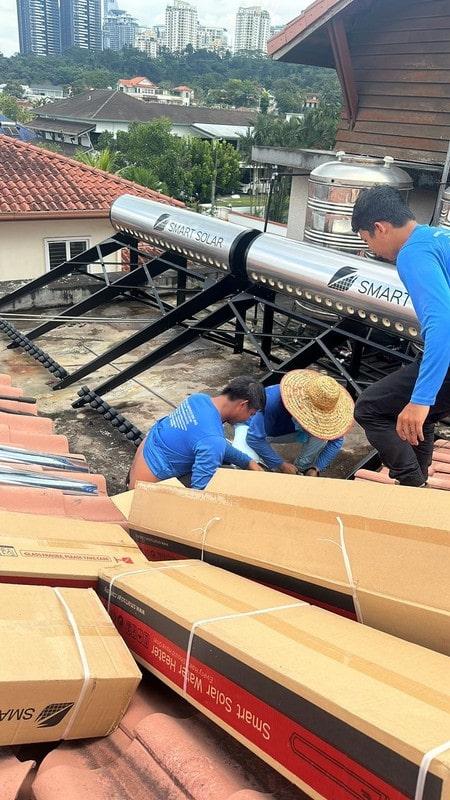
2. Gathering Materials Collect all necessary tools and materials required for installation.
3. Installation of Collectors Mount the solar collectors on your roof or an optimal location for sunlight exposure.
4. Connecting to the Existing Water System Integrate the solar water heater system with your home’s plumbing.
5. Finalizing and Testing the System Check for any leaks, ensure the system operates correctly, and perform any necessary adjustments.

Pre-Installation Planning

StepbyStep planning is crucial for a successful solar water heater installation. Begin by evaluating your household’s hot water needs, such as usage patterns and peak demands. Next, research the types of systems available, including active and passive options, and consider any local building codes or permits that may apply. This ensures that you have a clear pathway toward both compliance and efficiency.

Gathering Materials

Some important materials you’ll need include solar collectors, a storage tank, pipes, pumps, and insulation. Be sure to gather all components before you begin your installation to avoid delays.

To simplify your installation, make a comprehensive list of materials. This list typically includes solar panels, suitable storage tanks, a circulation pump, plumbing fixtures, and insulation materials. Additionally, having the right tools, such as wrenches and screwdrivers, will facilitate a smoother installation process, ensuring you are well-prepared for each step.

Installation of Collectors

Pre-Installation best practices suggest that you position your solar collectors for optimal sun exposure; ideally, this means facing them south in the northern hemisphere. Ensure mounting hardware is securely fastened to withstand weather conditions.

With careful consideration, the angle at which you mount your solar collectors affects performance. Aim for an angle between 30 to 50 degrees, depending on your geographical location. Securely fasten the collectors to your roof or chosen location, making sure to follow all manufacturer instructions for maximum efficiency and durability.

Connecting to the Existing Water System

For a seamless integration with your home’s plumbing, you may need to install a few additional components, such as check valves and temperature sensors. This step is critical for ensuring efficient operation.

Gathering the right connectors and plumbing fittings is important to connect your solar water heater to the existing water system. This may include flexible piping, T-connectors, or shut-off valves to ensure proper water flow, thus allowing your system to work harmoniously with your conventional water heating setup.

Finalizing and Testing the System

One of your last steps is to inspect your entire installation carefully for any leaks or faulty connections. Once everything is secure, fill the system with water and run it for a test cycle.

The testing phase is crucial; ensure the system heats water to the desired temperature and monitor it for a few days. Fine-tune any settings and check that all components function correctly, guaranteeing a reliable and efficient solar water heater system for your home.

Pros and Cons of Solar Water Heater Systems

Once again, it’s important to weigh the advantages and disadvantages of solar water heating systems before making your decision. While these systems can provide numerous benefits, they also come with some limitations that you should consider. By evaluating both sides, you can better determine if this investment aligns with your needs and priorities.

Pros and Cons of Solar Water Heater Systems

Pros Cons
1. Energy Savings 1. High Initial Cost
2. Environmentally Friendly 2. Weather Dependency
3. Low Operating Costs 3. Space Requirements
4. Incentives and Rebates 4. Maintenance Requirements
5. Increased Home Value 5. Performance in Extremes

When considering the pros of solar water heaters, it’s clear that they can lead to substantial energy savings over time. By harnessing the sun’s energy, you can significantly reduce your electricity bills while also contributing positively to the environment by lowering your carbon footprint.

Moreover, operating costs are generally low once a solar water heater system is installed, and you may qualify for various incentives and rebates that make the initial purchase more affordable. Additionally, the installation of a solar water heater can enhance the value of your home, making it an appealing option should you decide to sell in the future.

On the flip side, one of the main cons is the high initial investment required to install a solar water heater system. You need to factor in the upfront costs, which can be substantial. Compounding this, the system’s efficiency can vary depending on the weather, meaning that during cloudy or rainy periods, your solar heater might underperform.

Space is another consideration; solar panels may require more roof space than you can allocate. Maintenance, while typically low, is still necessary to ensure the system operates efficiently over time. Lastly, in extreme cold or hot weather conditions, solar water heater systems may not perform as well as traditional methods, which could affect your hot water supply.

In the final analysis, you need to reflect on these factors—balancing the pros and cons of a solar water heating system will help you make an informed choice that fits your lifestyle and budget.

Summing up

Conclusively, understanding solar water heater systems empowers you to make informed decisions that could enhance your energy efficiency and reduce your utility bills. By grasping the fundamental components, types, and operational principles of these systems, you can select the best solution tailored to your needs. As you explore this renewable energy option, consider factors such as installation, maintenance, and local climate to optimize your water heating efforts. Transitioning to solar energy not only benefits your finances but also contributes positively to the environment.

FAQ

Q: What is a solar water heater system and how does it work?

A: A solar water heater system uses sunlight to heat water for residential or commercial use. It typically consists of solar collectors, a storage tank, and a circulation system. The solar collectors absorb sunlight and convert it into heat, which is then transferred to the water in the storage tank. The heated water can be used for various applications, including domestic hot water supply, space heating, and swimming pool heating.

Q: What are the different types of solar water heater systems?

A: There are primarily two types of solar water heater systems: active and passive. Active systems use pumps and controls to circulate water, making them more efficient and reliable. They can be further divided into direct and indirect systems. Passive systems rely on natural convection and have fewer components, making them simpler but potentially less efficient in colder climates. Another classification is based on the collector type: flat-plate collectors and evacuated tube collectors.

Q: How much does it cost to install a solar water heater system?

A: The cost of installing a solar water heater system can vary widely depending on the type, size, and installation complexity. On average, the cost can range from $2,000 to $5,000 for a typical residential system. Factors that can influence the overall cost include the specific equipment used, labor costs, local solar incentives or rebates, and the complexity of the installation site. Investing in a solar water heater system can lead to significant long-term savings on energy bills.

Q: How much energy can I save with a solar water heater?

A: The energy savings from a solar water heater system can vary based on factors such as system size, geographic location, and usage patterns. Generally, homeowners can expect to save between 50% to 80% on their water heating bills. In regions with abundant sunlight, the potential savings can be even higher. To maximize energy savings, it is important to size the system correctly and ensure proper installation.

Q: Can solar water heater systems work in cloudy or cold climates?

A: Yes, solar water heater systems can still function in cloudy or cold climates, although their efficiency may be reduced. Active systems with freeze protection and insulated storage tanks can operate effectively in cooler temperatures. Additionally, solar collectors are designed to absorb UV rays even on cloudy days, so they can still generate heat. Homeowners in cooler climates may want to consider selecting a high-efficiency collector and integrating a backup heating system for cold days.

Q: What maintenance is required for solar water heater systems?

A: Solar water heater systems require minimal maintenance compared to traditional water heating systems. Routine check-ups, such as inspecting the solar collectors for dirt and damage, checking the insulation, and ensuring proper fluid levels in the system, are recommended. Additionally, regular flushing of the storage tank may be necessary to prevent sediment buildup. Homeowners should consult with a professional to determine an appropriate maintenance schedule based on their system type and local conditions.

Q: Are there financial incentives for installing solar water heater systems?

A: Yes, many governments and local utilities offer financial incentives to promote the use of solar water heater systems. These can include tax credits, rebates, or grants designed to offset installation costs. Programs differ by location, so it’s important to research available incentives in your area. Additionally, some states have specific net metering policies that allow homeowners to receive credits for the excess energy generated by their solar systems.

Exploring The Cost Savings Of Solar Hot Water Heaters Over Time

Over time, investing in solar hot water heaters can provide significant cost savings for your household. By harnessing the sun’s energy to heat water, you reduce reliance on traditional energy sources, which can lead to lower utility bills and a more sustainable lifestyle. In this blog post, you will discover how solar hot water systems work, the initial investment involved, and the long-term savings they can offer, helping you to make an informed decision about your energy needs.

Key Takeaways:

  • Long-term Savings: Solar hot water heaters can significantly reduce energy bills over time, leading to considerable long-term savings.
  • Initial Investment: While the initial cost of solar hot water systems can be high, they often pay for themselves within a few years through energy savings.
  • Maintenance Costs: Solar hot water systems generally have lower maintenance costs compared to traditional water heating systems, benefiting homeowners in the long run.
  • High Efficiency: These systems operate at a higher efficiency rate, which translates into more savings on energy consumption.
  • Incentives and Rebates: Various government incentives and rebates are available to offset the installation costs, making them even more cost-effective.
  • Increased Property Value: Installing a solar hot water system can enhance property value, potentially leading to a higher resale price.
  • Environmental Benefits: By reducing reliance on fossil fuels, solar hot water heaters promote sustainable energy use, contributing to overall cost savings by lowering environmental impact.

Understanding Solar Hot Water Heaters

As you explore renewable energy, you’ll find solar water heater serve as an efficient solution for heating water using the sun’s energy. These systems capture sunlight and convert it into heat, which can be used to warm your home’s water supply. Understanding how they work and the types available will help you make informed decisions about integrating them into your home energy system.

How Solar Hot Water Heaters Work

One of the fundamental principles behind solar hot water heaters is their ability to harness solar energy. Typically, these systems consist of solar collectors that capture sunlight, heating a fluid that circulates through a heat exchanger. This heated fluid then transfers its warmth to the water in your tank, providing you with hot water without relying solely on conventional energy sources.

Types of Solar Hot Water Systems

Systems come in various types, and each serves specific needs and geographical conditions. Here are the primary types you might consider:

  • Active systems: Use pumps to circulate water or heat transfer fluids.
  • Passive systems: Rely on gravity and natural convection to circulate water.
  • Direct systems: Circulate household water directly through the collectors.
  • Indirect systems: Use a heat transfer fluid that heats the water without circulating it through the collector.
  • Batch systems: Combine the storage tank and collector in one unit.

The choice you make can depend on your budget, climate, and hot water needs.

System Type Description
Active Uses pumps to circulate fluids.
Passive Relies on gravity and natural convection.
Direct Circulates household water.
Indirect Uses heat transfer fluid for heating.
Batch Combines collector and storage tank.

Systems can also vary in complexity and efficiency, making it vital for you to assess the different options available. For instance, you might find specific systems better suited for certain climates or usage patterns. Understanding the nuances can lead to more significant long-term benefits.

  • Flat-plate systems: Best for moderate climates with ample sunlight.
  • Evacuated tube collectors: Highly efficient for cooler climates.
  • Integrated collector-storage systems: Ideal for areas with limited space.
  • Drain-back systems: Effective in freezing climates where pipes can freeze.
  • Thermosyphon systems: Dependable in warmer areas with consistent sunlight.

The selection of your system can impact your overall efficiency and savings on energy bills.

System Type Ideal Conditions
Flat-plate Moderate climates.
Evacuated tube Cooler climates.
Integrated collector Limited space.
Drain-back Frost-prone areas.
Thermosyphon Warmer regions.

Comparing Solar Hot Water Heaters to Traditional Systems

With the ongoing debate surrounding energy efficiency, comparing solar hot water heaters to traditional systems can yield valuable insights. Solar systems typically operate more efficiently and incur lower long-term operational costs. While the initial setup cost may be higher, the savings on energy bills and potential incentives make solar an attractive alternative.

Comparing Factors Solar Hot Water Heaters vs Traditional Systems
Initial Cost Higher
Operational Cost Lower
Energy Source Renewable
Longevity Long-lasting
Environmental Impact Minimal

A deeper exploration of the financial implications reveals that solar hot water heaters not only reduce dependence on fossil fuels but also can enhance your home’s value. Additionally, government incentives available can further ease the financial burden of installation, emphasizing the importance of your long-term investment in such systems.

Financial Implications Solar Hot Water Heaters vs Traditional Systems
Return on Investment Higher for solar
Incentives Available Often available
Overall Savings Significant over time
Home Value Increase Potentially higher
Maintenance Costs Generally lower

Cost Analysis of Solar Hot Water Heaters

While considering the financial implications of solar hot water heaters, it’s important to break down costs into three key areas: initial investment costs, long-term savings on energy bills, and maintenance and operational costs.

Initial Investment Costs

The initial investment for solar hot water heaters can vary significantly depending on factors such as the system type, installation complexity, and your location. Typically, you may expect to spend anywhere from $3,000 to $8,000 for a complete system, which includes panels, storage tanks, and installation fees.

Long-Term Savings on Energy Bills

Any investment in solar hot water heaters can lead to substantial long-term savings on your energy bills. By harnessing the sun’s energy, you might reduce your water heating costs by 50% to 80% annually, translating to hundreds of dollars saved each year.

Cost savings accumulate over time, with the average payback period for a solar hot water system ranging between 5 to 10 years. After this period, the financial benefits become increasingly pronounced, offering you a way to enjoy hot water while also lowering your monthly expenses. Additionally, as energy rates rise, the savings from your solar investment could increase, making the system even more beneficial in the long run.

Maintenance and Operational Costs

Water heating systems require ongoing maintenance, but solar hot water heaters generally have lower operational costs when compared to traditional systems. Your annual maintenance expenses may be reduced to around $100 to $300, primarily for periodic inspections and minor repairs.

Understanding the maintenance and operational costs of solar hot water heaters is crucial for accurate budgeting. Regular maintenance ensures that your system remains efficient and prolongs its lifespan. Most importantly, from an operational standpoint, solar systems often require less energy input, translating into additional savings and efficiency for your home. Keeping your system well-maintained translates to a reliable and cost-effective solution for your hot water needs.

Factors Influencing Cost Savings

Despite the general benefits of solar hot water heaters, several factors can influence the extent of your cost savings over time. Understanding these variables will help you make informed decisions regarding your investment in solar technology. Some key factors include:

  • Your geographic location and climate
  • Your household consumption patterns
  • Government incentives and rebates

The savings you’ll experience from solar hot water heaters will vary based on these elements.

Geographic Location and Climate

With each region experiencing different sunlight hours and temperatures, your geographic location significantly impacts the efficiency and performance of your solar hot water system. Areas with consistent sunshine will yield better savings as the system can generate more hot water throughout the year, especially in warmer climates.

Household Consumption Patterns

One critical factor in determining your cost savings from a solar hot water heater is your household’s consumption patterns. The more hot water you use, the greater your potential for savings, as solar hot water systems reduce reliance on traditional energy sources.

This is particularly important if, for instance, your household regularly uses a significant amount of hot water for showers, laundry, and dishes. By understanding your typical usage and aligning it with your solar hot water heater’s capacity, you can maximize your savings over time, ensuring that the system meets your needs.

Government Incentives and Rebates

Government incentives and rebates play a pivotal role in reducing the initial cost of your solar hot water heater. Various federal, state, and local programs can help minimize your investment and boost your long-term savings.

Another crucial aspect is the availability of tax credits or grants that encourage the adoption of renewable energy sources. By taking advantage of these financial incentives, you can enhance your overall return on investment and make solar hot water systems more accessible, allowing you to enjoy the benefits of reduced energy bills sooner.

To wrap up

Conclusively, understanding the long-term cost savings of solar hot water heaters can profoundly impact your financial planning and environmental footprint. By investing in these systems, you not only reduce your energy bills but also diminish reliance on traditional energy sources. As you analyze your options, consider factors such as installation costs, maintenance, and potential energy savings over time. Ultimately, choosing a solar hot water heater can enhance your energy independence while providing significant savings, making it a wise decision for your home and budget.

FAQ: Exploring The Cost Savings Of Solar Hot Water Heaters Over Time

Q: What are solar hot water heaters and how do they work?

A: Solar hot water heaters are systems that use solar energy to heat water for residential or commercial use. They typically consist of solar collectors, which absorb sunlight, and a water storage tank. The collectors heat the water directly while the storage tank holds the heated water until it’s needed. This process harnesses renewable energy, reducing reliance on fossil fuels and lowering energy bills.

Q: What are the initial costs associated with installing a solar hot water heater?

A: The initial costs for a solar hot water heater can range from $3,000 to $8,000, depending on the system size, type, and installation complexity. This includes the cost of solar collectors, storage tanks, and installation labor. While the upfront investment can be significant, it is important to evaluate potential long-term savings on energy costs.

Q: How do solar hot water heaters result in cost savings over time?

A: Solar hot water heaters lead to cost savings by significantly reducing the amount of conventional energy needed to heat water. Users can see a 50-80% reduction in their water heating bills, leading to quick payback periods, typically within 4 to 8 years, depending on the local energy rates and system efficiency. Over their 20-30 year lifespan, these systems can save homeowners thousands in energy costs.

Q: Are there any government incentives available for solar hot water heater installations?

A: Yes, many governments offer incentives such as tax credits, rebates, and grants to encourage the adoption of solar technology. In the United States, the federal solar tax credit allows homeowners to deduct a percentage of the installation costs from their federal taxes. State and local programs may provide additional rebates, further reducing the initial investment and enhancing cost savings over time.

Q: What maintenance costs should be expected with solar hot water heaters?

A: Maintenance costs for solar hot water heaters are generally low. Annual maintenance typically includes checking the system for leaks, inspecting the collector, and flushing the system to remove sediment buildup. Homeowners can expect to pay around $100-$300 annually for professional maintenance. Proper care can extend the lifespan of the system and maintain its efficiency.

Q: How does the location and climate affect the performance and savings of solar hot water heaters?

A: The efficiency of solar hot water heaters is influenced by geographic location and climate. Areas with high solar insolation (sunlight received) benefit the most, providing more energy for heating water. However, even in less sunny locations, these systems can still perform effectively, contributing to overall savings. Climate factors like temperature and frequency of sunlight can affect the initial payback period and total savings.

Q: Are there any additional benefits to using solar hot water heaters aside from cost savings?

A: Yes, beyond cost savings, solar hot water heaters provide multiple benefits. They reduce greenhouse gas emissions, contributing to environmental sustainability. They may increase property resale value and energy independence. Additionally, relying on renewable energy sources enhances overall household energy resilience, especially during peak demand periods or energy shortages.

Innovations In Solar Water Heating Technology – What’s New In 2024?

Many homeowners today are increasingly turning to solar water heating systems as a sustainable solution to meet their energy needs. In 2024, you will discover groundbreaking advancements that enhance efficiency, reduce costs, and simplify installation processes. Staying informed about these innovations will not only help you make sound choices for your home but also contribute to a greener future. In this post, we will explore what’s new in solar water heating technology and how you can take advantage of these cutting-edge developments.

Key Takeaways:

  • Advanced Materials: Innovations in solar water heating often focus on new high-efficiency materials that enhance the absorption and retention of solar energy.
  • Smart Controls: The integration of smart technology allows users to monitor and optimize their systems remotely for greater efficiency.
  • Hybrid Systems: Many new models combine solar water heating with traditional heating systems, ensuring a reliable hot water supply even in inclement weather.
  • Improved Efficiency: New designs and technologies are pushing the boundaries of system efficiency, making solar heating more viable and cost-effective.
  • Modular Designs: Innovations include modular components that make systems easier to install and upgrade, catering to both residential and commercial needs.
  • Battery Storage: Enhanced integration with energy storage solutions allows for better use of collected solar energy, maximizing benefits during non-sunny hours.
  • Environmental Impact: New technologies prioritize sustainability and the reduction of the carbon footprint in both production and operational phases.

Overview of Solar Water Heating Technology

As you explore the world of renewable energy, solar water heating technology stands out as a practical and efficient solution for heating water using the sun’s energy. It utilizes solar collectors to absorb sunlight and transfer heat to water, significantly reducing reliance on fossil fuels or electricity. This technology not only lowers energy bills but also contributes to reducing carbon emissions, making it an appealing choice for residential and commercial users alike.

Historical Development

An important aspect of solar water heating technology is its historical development, which dates back to ancient civilizations that recognized the sun’s potential. In the 19th century, the first dedicated solar water heaters emerged in Europe, paving the way for modern innovations. Over the decades, advancements in materials and designs have driven the evolution of these systems, making them more efficient and accessible to the general public.

Current Market Trends

One prominent trend in the current market is the growing interest in sustainable energy solutions, including solar water heating systems. With rising energy costs and increasing environmental awareness, many consumers are opting for renewable technologies to save money and reduce their carbon footprints.

This shift towards sustainable practices is driven by advancements in technology, including more efficient solar collectors and improved storage systems. You can see an increasing number of government incentives and rebates encouraging the adoption of solar water heater systems. Additionally, innovative products now cater to various applications, from residential use to industrial-scale solutions, ensuring that you will find a suitable option that meets your specific needs. As the market evolves, solar water heating technology is becoming more affordable and user-friendly, making it a compelling choice for eco-conscious consumers looking to save on energy costs.

Latest Innovations (2024)

Some of the most exciting advancements in solar water heating technology for 2024 include improved efficiency and smart integration. By staying informed about these innovations, you can enhance your water heating experience and reduce energy costs.

Advanced Solar Collectors

Advanced solar collectors are a key innovation making waves this year. These collectors feature enhanced surface materials that significantly increase heat absorption while minimizing system losses.

Features of Advanced Solar Collectors

  1. Higher efficiency ratings
  2. Improved durability
  3. Lightweight materials
  4. Lower installation costs

Enhanced Thermal Storage Systems

An enhanced thermal storage system is imperative for maximizing your solar water heating efficiency. By improving the way heat is stored for later use, these systems allow you to utilize solar energy even during non-sunny periods.

Storage technologies have evolved to include advanced insulation materials and innovative heat retention methods. These enhancements ensure that your system retains more heat and reduces the need for supplemental heating, resulting in significant energy savings.

Smart Technology Integration

Solar technology is becoming increasingly smart, integrating with your home’s energy management systems. This allows for better monitoring and efficient use of stored solar energy.

Thermal management systems equipped with smart sensors can dynamically adjust temperatures based on current usage, weather patterns, and energy costs. This means you can optimize your solar water heating system for maximum efficiency, ultimately saving you money and reducing your carbon footprint.

Environmental Impact

Now, as you explore the advancements in solar water heating technology for 2024, it’s crucial to consider their environmental impact. These innovations not only enhance performance but also significantly contribute to sustainability efforts worldwide.

Carbon Footprint Reduction

An effective solar water heating system can reduce your carbon footprint dramatically by minimizing reliance on fossil fuels. By harnessing the power of the sun, you decrease greenhouse gas emissions associated with traditional water heating methods, paving the way for a cleaner, healthier planet.

Energy Efficiency Improvements

Reduction in energy consumption remains a primary focus for solar water heating technologies. By integrating advanced materials and smart systems, these new innovations ensure that your energy usage is optimized, leading to lower utility bills and less strain on the environment.

Improvements in energy efficiency not only enhance the overall performance of solar water heating systems but also make them more accessible to homeowners. Modern systems utilize high-efficiency solar collectors and advanced storage solutions, which allow for maximum heat retention with minimal energy loss. This ensures that you can enjoy hot water for your daily needs while contributing to a more sustainable future.

Future Perspectives

Once again, solar water heating technology is poised for significant advancements in the coming years. As you navigate the evolving landscape of renewable energy, consider how new innovations and market trends could impact your decisions regarding solar investments and home energy efficiency. This chapter explores the future perspectives in policy incentives and emerging markets that will shape the solar water heating sector in 2024 and beyond.

Policy and Incentives

With increasing global awareness of climate change, you can expect more supportive policies and incentives for solar water heating systems. Governments are likely to expand tax credits, rebates, and financial assistance programs, making it easier for you to adopt this sustainable technology while reducing upfront costs.

Emerging Markets

Perspectives on emerging markets reveal an exciting opportunity for solar water heating technology. As developing countries continue to urbanize and face energy challenges, they are increasingly turning to renewable solutions like solar. This trend could lead to an expansion of affordable solar water heating systems tailored to meet the needs of diverse populations.
The potential for solar water heating technology in emerging markets is not just a trend; it reflects a growing recognition of the importance of sustainable practices. Countries in regions such as Africa and Southeast Asia will likely implement localized solutions, drawn from innovative designs and financing models. As you consider investment opportunities or expansions in these markets, the shift toward solar energy can provide both a solid economic return and contribute positively to global sustainability efforts.

Final Words

With these considerations, it’s vital for you to stay informed about the latest innovations in solar water heating technology as we move through 2024. From advanced materials that boost efficiency to smart systems that enhance user control, these developments can significantly impact your energy consumption and cost savings. Embracing these technologies not only positions you at the forefront of sustainable living but also contributes to a healthier planet. Make the most of these advancements to optimize your home’s energy resources effectively.

FAQ

Q: What are the latest advancements in solar water heating technology as of 2024?

A: In 2024, solar water heating technology has seen several advancements, including improved thermal efficiency through enhanced collector designs, the integration of smart technology for better monitoring and control, and the use of more sustainable materials in the manufacturing process. Innovations such as solar-boosted heat pumps and hybrid systems that combine solar heating with conventional systems have also emerged, offering greater flexibility and efficiency.

Q: How does smart technology enhance the performance of solar water heating systems?

A: Smart technology allows for real-time monitoring and optimization of solar water heating systems. It can include features like Wi-Fi connectivity, mobile app control, and automated temperature regulation. These features help homeowners manage energy consumption more effectively, improve system performance, and even provide maintenance alerts when necessary, ultimately extending the lifespan of the system.

Q: Are there any new materials being used in solar water heating systems in 2024?

A: Yes, new materials with higher thermal conductivity and durability are being utilized in solar water heating systems. For example, advanced coatings on solar collectors are providing better heat absorption and reduced losses. Additionally, more eco-friendly materials are being introduced to make systems more sustainable while also improving overall efficiency.

Q: What are the benefits of using hybrid solar water heating systems?

A: Hybrid systems combine solar thermal energy with traditional heating methods, which provides flexibility and reliability. They can efficiently use solar energy when available, automatically switching to conventional heating during periods of low solar energy or high demand. This versatility ensures hot water availability year-round, regardless of weather conditions, while also reducing overall energy consumption.

Q: Are residential solar water heating systems becoming more affordable in 2024?

A: Yes, advancements in technology and production methods have contributed to the decreasing cost of residential solar water heating systems. Additionally, many governmental incentives and rebates are available in various regions, making it more accessible for homeowners to invest in these systems. The overall return on investment is further enhanced by the existing energy savings from using solar energy.

Q: How do innovations in solar water heating technology impact energy efficiency?

A: Innovations in solar water heating technology significantly improve energy efficiency by maximizing the capture and utilization of solar energy. New collector designs enhance heat absorption while reducing energy losses. With integration of smart controls and predictive algorithms, systems can operate more efficiently, ultimately resulting in lower energy bills for homeowners and a reduced carbon footprint.

Q: What can we expect in the future for solar water heating technology beyond 2024?

A: Looking beyond 2024, we can anticipate further integration of artificial intelligence and machine learning for predictive maintenance and optimal performance management. Additionally, advancements in energy storage technologies may enhance the usability of solar water heating systems, allowing for greater flexibility in energy supply. Increased research into hybrid systems and materials will likely drive continuing innovations, making solar water heating more efficient and accessible.

Solar Water Heaters Vs. Traditional Systems – Making The Smart Choice For Your Home

There’s a growing debate between solar water heaters and traditional systems as homeowners like you weigh their options for efficient hot water solutions. Understanding the pros and cons of each system is crucial for making an informed decision that aligns with your energy needs and budget. This guide will explore the differences between solar water heaters and traditional water heating systems, helping you identify which choice is best for your home while maximizing energy efficiency and cost savings.

Key Takeaways:

  • Energy Efficiency: Solar water heaters can significantly reduce energy bills by harnessing sunlight, while traditional systems usually rely on electricity or gas.
  • Environmental Impact: Utilizing renewable energy through solar systems minimizes carbon footprints compared to traditional heating methods that emit greenhouse gases.
  • Initial Investment: Solar water heaters may involve a higher upfront cost, but savings over time can make them more economical in the long run.
  • Maintenance Requirements: Solar units typically require less maintenance compared to traditional systems, which may need regular checks for fuel supply and efficiency.
  • Climate Dependence: The effectiveness of solar water heaters can vary based on geographic location and climate, whereas traditional systems can run consistently regardless of weather.
  • System Longevity: Solar water heaters have a longer lifespan than many traditional systems, leading to less frequent replacements and lower life-cycle costs.
  • Incentives and Rebates: Many governments offer financial incentives for installing solar water heater, helping to offset the initial cost and making them more accessible for homeowners.

Understanding Solar Water Heaters

Before you decide on a water heating system for your home, it’s vital to understand what solar water heaters are and how they function. This knowledge will help you make an informed decision that best suits your needs and budget.

What is a Solar Water Heater?

To put it simply, a solar water heater is a system that uses solar energy to heat water for domestic use. It captures sunlight through solar collectors and utilizes that energy to heat water, which can then be stored in a tank for later use. This process significantly reduces your reliance on traditional energy sources, offering both ecological and economic benefits.

Types of Solar Water Heating Systems

Any solar water heating system falls into one of three main categories: active, passive, and hybrid systems. Each type has its unique features and benefits. Here’s a breakdown:

Type Description
Active Systems Use pumps and controls to circulate water.
Passive Systems Rely on natural convection and gravity; simpler and cheaper.
Hybrid Systems Combine solar heating with traditional energy sources.
Flat-Plate Collectors Absorb sunlight directly and are generally used in active systems.
Evacuated Tube Collectors Offer higher efficiency under colder conditions; suited for larger systems.

Plus, when considering the most suitable solar water heating system for your home, it’s important to evaluate the available space, budget, and specific heating needs. This evaluation will help ensure you select a system that maximizes efficiency and minimizes costs. Your choice may also depend on the climate in your area, as that affects how much energy your solar panels can capture.

  • Active systems generally have higher upfront costs due to additional equipment.
  • Passive systems are easier to install but may have limitations in colder climates.
  • Hybrid systems provide flexibility and backup heating options.
  • Flat-plate collectors are typically less expensive than evacuated tube ones.
  • Assume that understanding these differences can significantly impact your satisfaction with your solar water heater.

How Solar Water Heaters Work

Types of solar water heating systems utilize solar collectors, which gather and convert sunlight into heat. This heat is transferred to the water in your storage tank, providing you with hot water on demand.

It’s vital to know that solar water heaters work efficiently even on cloudy days, as they still capture diffuse solar radiation. The system typically consists of solar panels, a storage tank, and sometimes a pump to circulate water. You can expect to see substantial energy savings over time as you rely less on conventional energy sources for heating your water.

  • The solar panel absorbs sunlight and converts it into heat.
  • The heat transferred to the water makes it ready for use.
  • The storage tank holds heated water until needed.
  • Temperature sensors help regulate the system for maximum efficiency.
  • Assume that understanding this operation can empower you to use your solar heater effectively.

Traditional Water Heating Systems

There’s a common reliance on traditional water heating systems in many households, providing a straightforward solution for your hot water needs. These systems typically use electricity, natural gas, or propane to heat water, delivering it directly to your faucets and appliances whenever required. While effective, it’s crucial to understand their characteristics, benefits, and limitations as compared to modern alternatives such as solar water heaters.

Overview of Traditional Systems

Any traditional water heating system operates on well-established technologies that have served homeowners for decades. They are designed to deliver hot water quickly and consistently, ensuring you have access to hot water when you need it. However, as energy costs rise and environmental concerns gain prominence, it’s worth evaluating their sustainability and long-term cost-effectiveness.

Types of Traditional Water Heaters

Types of traditional water heaters can be categorized into several distinct options, including:

Type Description
Tank Water Heater Stores heated water in a large tank for immediate use.
Tankless Water Heater Heats water on demand, providing a continuous supply without storage.
Heat Pump Water Heater Transfers heat from the air to heat water, offering higher efficiency.
Solar Water Heater Uses solar panels to capture sunlight and convert it into hot water.
Indirect Water Heater Uses a boiler to heat a fluid, which is then used to heat water.
  • Tank Water Heaters are the most common and come in various sizes to accommodate household needs.
  • Tankless systems are ideal for smaller homes, as they save space and energy.
  • Heat pump water heaters are often considered for their energy efficiency but may require more initial investment.
  • While solar water heaters are becoming more prevalent, they significantly deviate from traditional paradigms.
  • Indirect water heaters are useful in systems already employing a boiler, making efficient use of existing equipment.

Knowing your options can help you make informed decisions about which system best suits your household’s demands.

Efficiency and Performance

Heating efficiency is an crucial aspect of traditional water heating systems, impacting your energy bills significantly. Although these systems are reliable, their efficiency varies based on the type and brand you choose, as well as installation quality and maintenance practices.

Traditional water heating systems generally exhibit varying levels of energy efficiency, and understanding these factors can empower your decisions. For instance, tank water heaters often lose heat, leading to higher energy usage due to standby heat loss. In contrast, tankless options provide hot water only when needed, which can significantly reduce your energy consumption. Here’s a closer look at key performance aspects:

Aspect Description
Energy Factor (EF) Measures water heater’s efficiency; higher EF equals better energy use.
Recovery Rate How quickly a heater can reheat water; crucial for heavy usage.
Standby Loss Energy lost when water sits in the tank; crucial for tank models.
Longevity Life expectancy ranges from 10 to 15 years, requiring eventual replacement.
Installation Costs Initial investment varies based on the type and complexity of installation.
  • Energy Factors can guide you in identifying the most efficient units on the market.
  • Recovery Rates become critical during peak usage times when multiple hot water demands arise.
  • Standby Loss influences how much energy you waste while waiting for hot water.
  • Longevity affects your overall investment — some models may require replacements sooner than others.
  • Installation Costs should be weighed against potential energy savings over time.

Traditional systems may be reliable, but understanding their efficiencies and performance will assist you in making a more informed decision about your home heating needs.

Comparing Costs and Benefits

Unlike traditional water heating systems, solar water heaters come with a distinct set of costs and benefits that can significantly influence your decision. By understanding these differences, you can make a more informed choice for your home. Below is a comparative breakdown of the key factors to consider.

Cost-Benefit Comparison

Solar Water Heaters Traditional Systems
Higher initial installation costs Lower initial installation costs
Lower long-term energy costs Higher long-term energy costs
Significant environmental benefits Minimal environmental benefits
Potential government incentives Limited to no incentives

Initial Installation Costs

On average, solar water heaters tend to have higher initial installation costs compared to traditional systems. This investment can range between several thousand to tens of thousands of dollars, depending on the system size and complexity. However, it’s crucial to factor in potential rebates and incentives that can help offset these upfront expenses.

Long-Term Savings Analysis

An analysis of long-term savings indicates that while solar water heaters require more upfront investment, they can significantly reduce your energy bills over time, often recovering their installation costs within a few years. In contrast, traditional systems tend to have higher ongoing operational costs.

Plus, the savings can compound over the years, especially given the rising energy prices. With the ability to harness clean energy, you’ll notice a marked decrease in reliance on fossil fuels, leading to lower utility bills. Additionally, many solar systems come with warranties lasting up to 20 years, ensuring your investment continues to pay off long into the future.

Environmental Impact

Long-term, choosing a solar water heater has a positive environmental impact, reducing your carbon footprint significantly compared to traditional systems. By using renewable energy, you contribute to lowering greenhouse gas emissions while conserving natural resources.

Installation of solar water heaters can give you a sense of satisfaction as you actively participate in supporting clean energy initiative. You’re not only saving money but also promoting sustainability in your community. By opting for solar energy, you are helping to create a healthier planet for your future generations, making it a decision that’s beneficial for both your household and the environment as a whole.

Making the Right Choice for Your Home

For many homeowners, the decision to install a solar water heater or stick with a traditional system can be daunting. It’s important to weigh the advantages and challenges of each option to determine what is best suited for your household. Understanding key factors will help you make a smart, informed choice.

Factors to Consider

Home energy needs vary significantly between different households. When choosing a water heating system, consider the following:

  • Your current water usage
  • Available roof space for a solar system
  • Budget for installation and maintenance
  • Environmental impact and energy savings
  • Your preferences for technology and efficiency

Assume that evaluating these aspects will lead you to a more sustainable and efficient choice for your home.

Assessing Your Household’s Needs

An important part of determining the right water heating system is assessing your household’s specific needs. You must consider how many people live in your home, daily hot water consumption, and peak usage times. Tailoring your choice to these needs will ensure that your new system can adequately meet your demands without wasting energy or resources.

Assessing your household’s needs also involves understanding the unique patterns of hot water usage in your daily routine. For instance, if you have a large family, you might require a system that consistently delivers high volumes of hot water throughout the day. Additionally, consider installation costs and energy efficiency, as these factors will impact your long-term savings. By being clear about your requirements, you’ll be better equipped to choose a system that complements your lifestyle.

Local Climate and Regulations

Right from the outset, it’s crucial to consider your local climate and any pertinent regulations that may affect your decision. Regions with ample sunlight year-round are ideal for solar water heaters, while areas with seasonal variations might make a traditional system more appealing.

Factors such as local incentives, rebates, and building regulations can also play a significant role in your selection process. For instance, some areas encourage the use of renewable energy solutions through financial support, which can make solar water heaters more viable. As you research your options, pay careful attention to these local elements to ensure compliance and take advantage of any applicable benefits.

Summing up

Summing up, when choosing between solar water heaters and traditional systems for your home, it is important to consider factors such as efficiency, long-term savings, and environmental impact. Solar water heaters offer a sustainable and cost-effective solution, allowing you to harness renewable energy while reducing your energy bills. By investing in a solar system, you not only take a step towards energy independence but also contribute to a cleaner planet. Ultimately, the smart choice will depend on your specific needs and circumstances, but the benefits of solar technology are undeniable.

FAQ: Solar Water Heaters Vs. Traditional Systems – Making The Smart Choice For Your Home

Q: What is a solar water heater and how does it work?

A: A solar water heater is a system that uses solar energy to heat water for domestic use. It typically consists of solar collectors, a storage tank, and a circulation system. Solar collectors absorb sunlight and convert it into heat, which is then transferred to the water stored in the tank. The heated water can be used for showers, washing, and other household needs, significantly reducing reliance on conventional energy sources.

Q: What are the advantages of using solar water heaters over traditional water heating systems?

A: Solar water heaters offer several advantages, including reduced energy costs, lower greenhouse gas emissions, and decreased dependence on fossil fuels. They are environmentally friendly and can significantly lower monthly utility bills. Additionally, solar water heaters can provide hot water even during power outages, enhancing energy security for homeowners.

Q: Are solar water heaters suitable for all climates?

A: While solar water heaters can be effective in many climates, their efficiency may vary based on local weather conditions. Areas with abundant sunlight year-round will benefit the most. However, there are various types of solar water heating systems designed for colder climates, such as freeze-resistant systems. It’s vital to assess your local climate and consult with an expert to determine the best system for your needs.

Q: What are the initial costs of installing a solar water heater compared to traditional systems?

A: The initial cost of a solar water heater is typically higher than that of traditional electric or gas water heaters. However, this is offset by long-term savings on energy bills, possible tax credits, and incentives for renewable energy systems. While traditional systems may cost less upfront, they often incur ongoing energy expenses that can add up significantly over time.

Q: How much maintenance do solar water heating systems require?

A: Solar water heating systems generally require less maintenance than traditional water heaters. They should be inspected periodically to ensure that the collectors, storage tank, and circulation system are functioning properly. Routine maintenance may include checking fluid levels and ensuring that there are no blockages. Overall, they are designed to be low-maintenance and can last for decades with proper care.

Q: How can I determine if a solar water heater is worth the investment for my home?

A: To determine if a solar water heater is a worthwhile investment, consider factors such as your energy consumption patterns, local utility rates, sunlight availability, and potential incentives or rebates for solar installations. You can calculate your expected energy savings and payback period by consulting with a qualified solar installer who can provide a customized analysis based on your specific circumstances.
Q: Can solar water heaters work in conjunction with traditional systems?

A: Yes, solar water heaters can be integrated with traditional water heating systems to create a hybrid setup. This allows homeowners to utilize solar energy when available while relying on conventional systems during periods of low sunlight or increased hot water demand. This combination can enhance overall efficiency and provide a reliable hot water supply throughout the year.

Solar Water Heaters for Eco-Friendly Homeowners

Solar Water Heater: A Green Answer for Your Hot Water Needs

During a time where supportability and natural worries are extremely important to us, embracing eco-accommodating innovations has never been more vital. One of the most imaginative and effective answers for diminish your carbon impression and lower your service bills is the solar water heater.

What Is a Solar Water Heater?

A solar water heater is a gadget that saddles the force of the sun to warm water for private or business use. It comprises of solar gatherers, an intensity move framework, and a storage tank. These parts work as one to give you hot water, all while altogether diminishing your energy utilization.

How Does a Solar Water Heater Function?

The interaction is straightforward yet successful. Solar gatherers, frequently introduced on the rooftop or an open region with greatest sun openness, retain daylight and convert it into heat. This intensity is then moved to a fluid (regularly water or an intensity move liquid) that courses through the framework. The warmed fluid is then used to warm the water in a storage tank, preparing it for your utilization. This is the closely guarded secret in more detail:

Solar Gatherers: These boards are generally made of solar warm authorities, which contain an intensity retaining material that catches daylight and converts it into nuclear power. There are two sorts of solar gatherers: level plate authorities and emptied tube gatherers. Level plate gatherers are the most well-known and are utilized for private applications.

Heat Move Framework: A siphon circles an intensity move liquid (frequently a combination of water and glycol) between the solar gatherers and the water storage tank. This liquid conveys the intensity from the authorities to the tank.

Storage Tank: The warmed exchange liquid goes through an intensity exchanger inside the storage tank, moving the intensity to the water. The water in the tank is then prepared for use on a case by case basis.

Smartsolar solar water heater install at Bandar Kinrara Puchong, selangor.-min

Benefits of Solar Water Heaters

Natural Advantages: Solar water heaters are harmless to the ecosystem as they lessen ozone depleting substance outflows and reliance on petroleum derivatives, adding to a cleaner planet.

Energy Investment funds: By saddling the sun’s energy, you can altogether lessen your power or gas bills, as solar energy is free and inexhaustible.

Energy Freedom: Solar water heaters give a degree of energy autonomy. You’re less dependent on outer energy sources, diminishing your weakness to energy cost changes.

Low Working Expenses: When introduced, the working expenses of a solar water heater are insignificant. Routine support is straightforward and economical.

Life span: Solar water heaters have a more drawn out life expectancy than conventional water heaters, which frequently should be supplanted each 10-15 years.

Impetuses and Refunds: Numerous legislatures and utilities offer monetary motivations and discounts to property holders who introduce solar water heaters, making them much more savvy.

Sorts of Solar Water Heaters

Dynamic Solar Water Heaters: These frameworks use siphons or fans to course water or intensity move liquids through the framework. They are more effective yet have higher establishment costs.

Detached Solar Water Heaters: Inactive frameworks depend on regular convection to move water or liquids through the authorities and into the storage tank. They are less difficult yet less proficient.

Group Solar Water Heaters: Otherwise called fundamental gatherer storage (ICS) frameworks, these comprise of a tank with a connected authority. They are straightforward and savvy yet may not be reasonable for cold environments.

Direct versus Circuitous Frameworks: Direct frameworks circle consumable water through the gatherers, while roundabout frameworks utilize an intensity move liquid to by implication heat the water in the tank.

Picking the Right Solar Water Heater

Choosing the right solar water heater for your home relies upon different variables, including your environment, hot water use, and spending plan. It’s urgent to work with a certified solar installer who can survey your particular necessities and give suggestions. A few contemplations while picking a solar water heater include:

Environment: Your neighborhood environment and how much daylight your area gets will affect the framework’s productivity.

Water Quality: The hardness and mineral substance of your water can influence the framework’s exhibition, so water treatment might be fundamental.

Framework Size: The size of the framework ought to match your family’s hot water requests. An expert installer can assist you with deciding the proper size.

Direction and Concealing: Guarantee that the solar gatherers are accurately arranged and liberated from concealing to augment energy ingestion.

Financial plan and Impetuses: Think about your financial plan, yet additionally investigate accessible motivators and refunds to balance the underlying speculation.

Establishment and Upkeep

Appropriate establishment is vital to the presentation and life span of your solar water heater. A certified installer will guarantee the framework is accurately estimated, situated, and associated. Ordinary upkeep is additionally crucial for keep your framework running productively. Upkeep regularly includes checking for spills, investigating the authority, and confirming the activity of siphons and controls.

A solar water heater is a shrewd, harmless to the ecosystem decision for any property holder hoping to decrease energy charges and limit their carbon impression. By tackling the force of the sun to warm water, these frameworks offer long haul cost investment funds and add to a more maintainable future. While thinking about a solar water heater for your home, talk with an expert installer to guarantee the right situation for your requirements, and partake in the many advantages of solar energy.

Solar water heater benefits and advantages for home use

Solar water heaters are a well known and maintainable choice for heating water in homes. Saddling the energy of the sun, these systems offer various benefits and advantages. In this article, we will investigate the vital advantages of solar water heater for home use.

Cost reserve funds: One of the essential advantages of solar water heater is the potential for huge expense reserve funds. By using free energy from the sun, property holders can diminish their dependence on traditional energy sources, like power or gas, bringing about lower service bills. Albeit the underlying venture for introducing a solar water radiator might be higher than customary water heating systems, the drawn out investment funds can offset the forthright expenses.

Energy proficiency: Solar water heaters are profoundly energy-proficient contrasted with regular water heating techniques. They convert solar energy into heat without consuming extra fuel, pursuing them a harmless to the ecosystem decision. By using environmentally friendly power, solar water heaters assist with diminishing ozone harming substance outflows, adding to a greener and more supportable future.

Environmentally friendly power source: Solar power is an environmentally friendly power source, and that implies it is normally renewed and won’t ever run out. By utilizing solar energy to warm water, property holders can lessen their reliance on petroleum derivatives, which are limited assets with destructive natural effects. Solar water heaters give a valuable chance to embrace clean energy and decrease the carbon impression of a home.

Freedom from the lattice: Solar water heaters offer a level of energy freedom. Since they work utilizing daylight, property holders are less dependent on the electrical lattice or other energy providers. This is especially gainful in regions with problematic or costly power, as solar water heaters can give a dependable wellspring of boiling water in any event, during blackouts or in far off areas.

Solidness and life span: Solar water heaters are dependable, with numerous systems having a life expectancy of 20 years or more. The parts of solar water heaters are intended to endure brutal atmospheric conditions, guaranteeing solid activity over a drawn out period. While conventional water heaters frequently require support and new parts, solar water heater by and large have less upkeep needs, bringing about long haul cost reserve funds.

Government impetuses and refunds: In numerous nations, states offer motivating forces and discounts to support the reception of solar water heaters. These motivations can fundamentally diminish the underlying venture cost, making solar water heaters an all the more monetarily suitable choice for property holders. Moreover, a few districts offer tax breaks or great funding choices, further upgrading the financial benefits of introducing a solar water heating framework.

Expanded property estimation: Introducing a solar water radiator can build the worth of a home. As additional individuals become mindful of the benefits of sustainable power, solar-prepared homes are frequently viewed as more alluring and ecologically cognizant. A solar water heating framework can be an alluring selling moment that putting a property available, possibly drawing in additional expected purchasers and expanding the general worth of the home.

Diminished water heating carbon impression: Water heating is a huge supporter of family fossil fuel byproducts. By utilizing solar energy to warm water, property holders can decrease their carbon impression and alleviate the ecological effect of their day to day exercises. This is especially significant as the world endeavors to battle environmental change and progress to cleaner energy sources.

Adaptability and versatility: Solar water heating systems come in different sizes and designs, making them reasonable for various family sizes and boiling water requests. Whether you live in a little loft or a huge family home, there is a solar water heating arrangement that can meet your particular requirements. Furthermore, solar water heaters can be coordinated with existing water heating systems, considering a mixture approach that consolidates solar energy with other energy sources whenever required.

Low support necessities: Solar water heaters have generally low upkeep prerequisites contrasted with customary water heating systems. The parts are intended to be strong and require insignificant consideration over their life expectancy. Routine assessments and periodic cleaning of solar boards are normally adequate to keep the framework running proficiently.

more about Solar water heater

那一款的热水器比较好?

Smart-Solar-Water-Heater-System-Malaysia-service-repair-install-maintenance-kuala-lumpur

[vc_row][vc_column][ut_custom_heading align=”center” font_source=”websafe” font_size=”19″ line_height=”115″ font_weight=”700″ color=”#696969″ css=”.vc_custom_1551237812723{margin-top: 10px !important;margin-bottom: 0px !important;padding-top: 0px !important;padding-bottom: 15px !important;}”]那一款的热水器比较好?[/ut_custom_heading][vc_column_text][/vc_column_text][/vc_column][/vc_row][vc_row css=”.vc_custom_1551169511743{background-color: #f2f2f2 !important;}”][vc_column][ut_custom_heading font_source=”websafe” font_size=”15″ line_height=”130″ font_weight=”300″ color=”#696969″ css=”.vc_custom_1551411535094{margin-top: 0px !important;margin-bottom: 0px !important;padding-top: 10px !important;padding-bottom: 10px !important;}”]

即热式热水器在马来西亚是属于比较普遍的款式。 大致上它可以分成‘有Pump’ 还是 ‘没有 Pump’。 品牌方面呢多数人使用的有 Panasonic, Alpha, Joven或Elba, 比较贵的品牌就有Electrolux。 其实‘没有品牌’ 的热水器在市场上也很常见。 大致上的价钱都介于在 RM 200-1000之间。

[/ut_custom_heading][ut_animated_image size=”full” align=”center” css=”.vc_custom_1550908263567{margin-top: 0px !important;margin-bottom: 0px !important;padding-top: 0px !important;padding-right: 0% !important;padding-bottom: 0px !important;padding-left: 0% !important;border-radius: 1px !important;}” image=”2181″][ut_custom_heading align=”center” font_source=”websafe” font_size=”13″ line_height=”130″ font_weight=”300″ color=”#494949″ css=”.vc_custom_1551407044980{margin-top: 5px !important;margin-bottom: 0px !important;padding-top: 0px !important;padding-bottom: 15px !important;}”]即热款热水器的种类[/ut_custom_heading][ut_custom_heading font_source=”websafe” font_size=”15″ line_height=”130″ font_weight=”300″ color=”#696969″ css=”.vc_custom_1551411571725{margin-top: 10px !important;margin-bottom: 0px !important;padding-top: 0px !important;padding-bottom: 0px !important;}”]
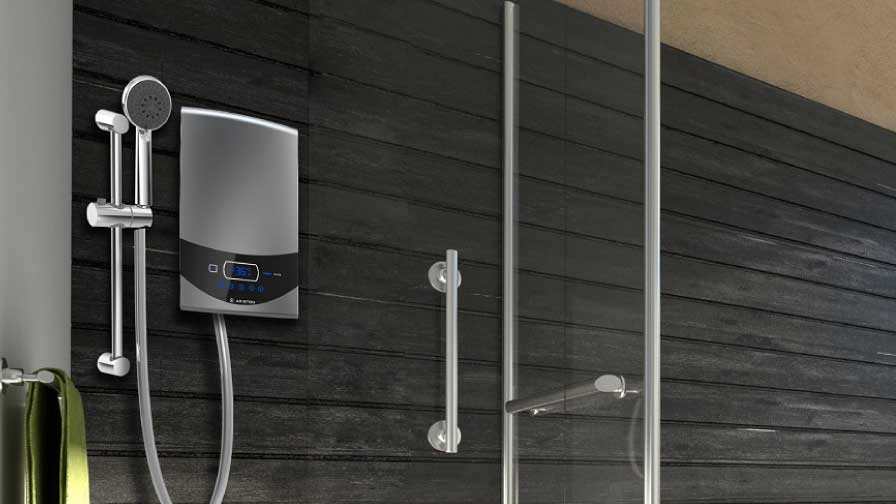
它们之间有什么不同? 其实以现在的科技, 即热热水器大致上在功能都没什么差异化. 要比较安心的, 当然买大品牌比较好。

到底有什么 好处 可以让这款热水器那么 畅销?

1.多数 发展商已经早就把浴室设计好 所以你没法选择。
2. 简单安装, 就连学徒也可以安装。
3. 用多少 付多少的电费 。[/ut_custom_heading][ut_animated_image size=”full” align=”center” css=”.vc_custom_1551173247237{margin-top: 0px !important;margin-bottom: 0px !important;padding-top: 0px !important;padding-right: 0% !important;padding-bottom: 0px !important;padding-left: 0% !important;border-radius: 1px !important;}” image=”2210″][ut_custom_heading align=”center” font_source=”websafe” font_size=”13″ line_height=”130″ font_weight=”300″ color=”#494949″ css=”.vc_custom_1551241385752{margin-top: 5px !important;margin-bottom: 0px !important;padding-top: 0px !important;padding-bottom: 15px !important;}”]看,大多数发展商都是这样设计的。[/ut_custom_heading][ut_custom_heading font_source=”websafe” font_size=”15″ line_height=”130″ font_weight=”300″ color=”#696969″ css=”.vc_custom_1551411603485{margin-top: 10px !important;margin-bottom: 0px !important;padding-top: 0px !important;padding-bottom: 0px !important;}”]
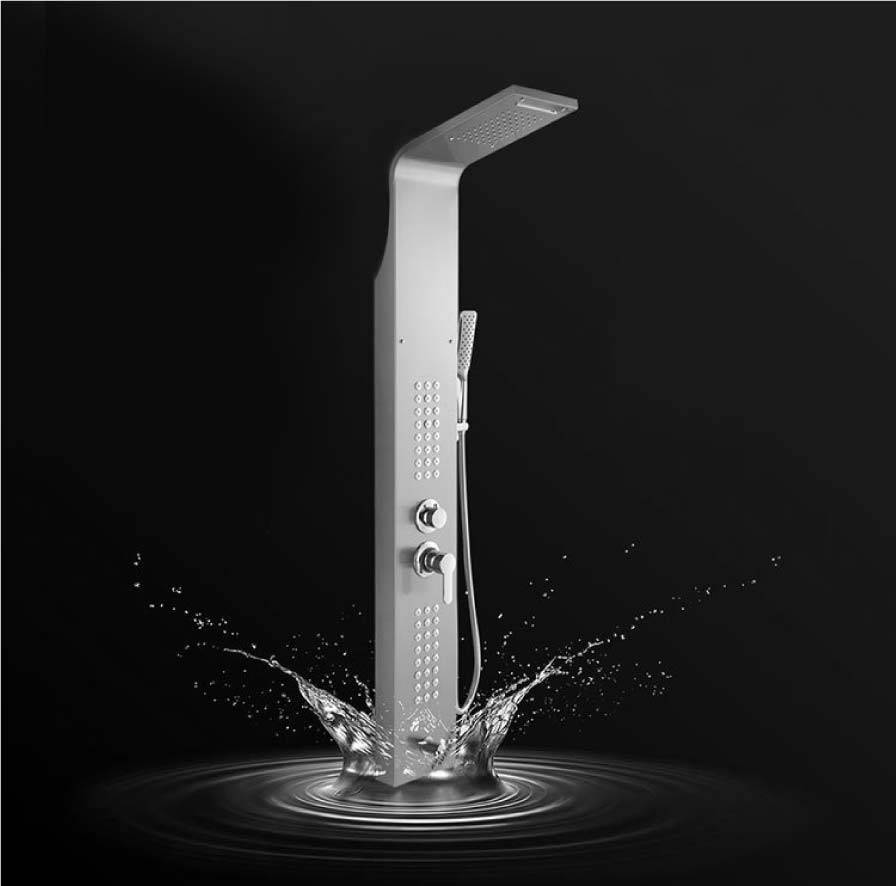
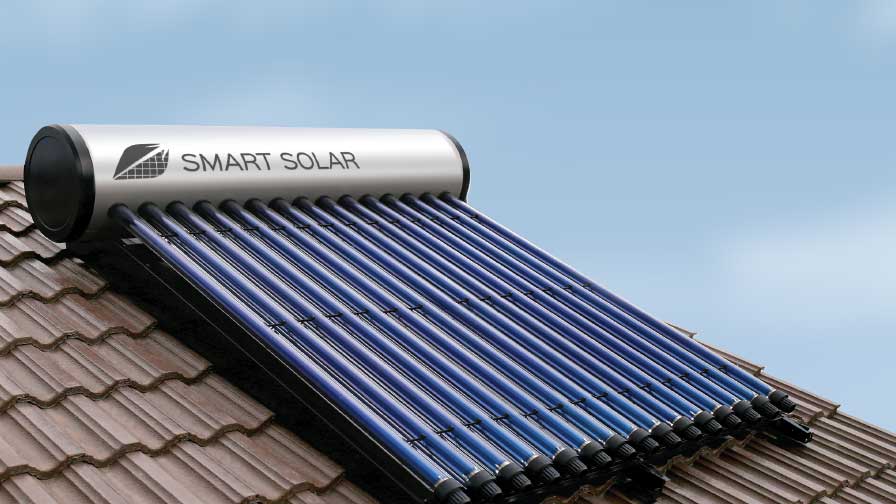
但是 ‘它的坏处’ 就是 :

1. 整个装在浴室里, 显得 凌乱, 比较没那么美观, 感觉像廉价酒店。
2. 水压不一致 突然大小就会导致热水不热或过热, 让你不能好好享受你的沐浴时光。
3. 比较有 触电的可能性. 一般插座都 没防水设计.虽然大多数热水器, 都有漏电保护,ELCB (Earth Leakage Circuit Breaker), 还有叫什么ELB (Electric Leakage Breaker), ELSD, EELS. 不过如果家里的地线有问题, 这些漏电保护全都失效,没用。
4. 电源插座的电流应该是25A, 不是13A 或 15A 来适合3.8kW的额定功率。
[/ut_custom_heading][ut_animated_image size=”full” align=”center” css=”.vc_custom_1551174001806{margin-top: 0px !important;margin-bottom: 0px !important;padding-top: 0px !important;padding-right: 0% !important;padding-bottom: 0px !important;padding-left: 0% !important;border-radius: 1px !important;}” image=”2211″][ut_custom_heading align=”center” font_source=”websafe” font_size=”13″ line_height=”130″ font_weight=”300″ color=”#494949″ css=”.vc_custom_1551406187493{margin-top: 8px !important;margin-bottom: 0px !important;padding-top: 0px !important;padding-bottom: 25px !important;}”]凌乱的布线及管道,感觉像廉价酒店[/ut_custom_heading][ut_animated_image size=”full” align=”center” css=”.vc_custom_1551174522123{margin-top: 0px !important;margin-bottom: 0px !important;padding-top: 0px !important;padding-right: 0% !important;padding-bottom: 0px !important;padding-left: 0% !important;border-radius: 1px !important;}” image=”2212″][ut_custom_heading align=”center” font_source=”websafe” font_size=”13″ line_height=”130″ font_weight=”300″ color=”#494949″ css=”.vc_custom_1551406225693{margin-top: 8px !important;margin-bottom: 0px !important;padding-top: 0px !important;padding-bottom: 25px !important;}”]插座应该防水[/ut_custom_heading][ut_animated_image size=”full” align=”center” css=”.vc_custom_1551175278337{margin-top: 0px !important;margin-bottom: 0px !important;padding-top: 0px !important;padding-right: 0% !important;padding-bottom: 0px !important;padding-left: 0% !important;border-radius: 1px !important;}” image=”2213″][ut_custom_heading align=”center” font_source=”websafe” font_size=”13″ line_height=”130″ font_weight=”300″ color=”#494949″ css=”.vc_custom_1551406377383{margin-top: 8px !important;margin-bottom: 0px !important;padding-top: 0px !important;padding-bottom: 25px !important;}”]应该使用25A电流的电源插座,以避免負荷。[/ut_custom_heading][ut_custom_heading font_source=”websafe” font_size=”15″ line_height=”130″ font_weight=”300″ color=”#696969″ css=”.vc_custom_1551412528756{margin-top: 10px !important;margin-bottom: 0px !important;padding-top: 0px !important;padding-bottom: 0px !important;}”]

所以在这边也呼吁大家, 用电热器的 记得记得要每三个月都要检测那个RCCB。很简单!你只需按T字键。如果家里全部断电, 这个表示漏电保护正常运作。 如果不能的话, 就要马上叫电工修理。

[/ut_custom_heading][ut_animated_image size=”full” align=”center” css=”.vc_custom_1551175756439{margin-top: 0px !important;margin-bottom: 0px !important;padding-top: 0px !important;padding-right: 0% !important;padding-bottom: 0px !important;padding-left: 0% !important;border-radius: 1px !important;}” image=”2214″][ut_custom_heading align=”center” font_source=”websafe” font_size=”13″ line_height=”130″ font_weight=”300″ color=”#494949″ css=”.vc_custom_1551412468405{margin-top: 8px !important;margin-bottom: 0px !important;padding-top: 0px !important;padding-bottom: 25px !important;}”]检查 RCCB及按T字按键.[/ut_custom_heading][/vc_column][/vc_row][vc_row css=”.vc_custom_1551175829483{background-color: #ffffff !important;}”][vc_column][ut_custom_heading font_source=”websafe” font_size=”15″ line_height=”130″ font_weight=”300″ color=”#696969″ css=”.vc_custom_1551406963124{margin-top: 0px !important;margin-bottom: 0px !important;padding-top: 10px !important;padding-bottom: 10px !important;}”]

2.桶装热水器也是另外一种热水器但是这款就会比较少见因为 一般都是安装在ceilling 上面。而通常这个热水桶可以储存25L, 35L或50L的热水而已。[/ut_custom_heading][ut_animated_image size=”full” align=”center” css=”.vc_custom_1551176008208{margin-top: 0px !important;margin-bottom: 0px !important;padding-top: 0px !important;padding-right: 0% !important;padding-bottom: 0px !important;padding-left: 0% !important;border-radius: 1px !important;}” image=”2187″][ut_custom_heading align=”center” font_source=”websafe” font_size=”13″ line_height=”130″ font_weight=”300″ color=”#494949″ css=”.vc_custom_1551407010588{margin-top: 8px !important;margin-bottom: 0px !important;padding-top: 0px !important;padding-bottom: 25px !important;}”]桶装热水器的种类[/ut_custom_heading][ut_custom_heading font_source=”websafe” font_size=”15″ line_height=”130″ font_weight=”300″ color=”#696969″ css=”.vc_custom_1551407509071{margin-top: 0px !important;margin-bottom: 0px !important;padding-top: 10px !important;padding-bottom: 10px !important;}”]

什么 好处呢?

1. 比较安全, 你可以先把热水器 ‘打开’ 等到你要冲凉时, 把它‘关上’ 这样就可以减少漏电危险.
2. 里面的温度都一样,冲凉时水温比较稳定,不会忽冷忽热。
3. 隐藏在天花板顶部的热水器, 你不会看到满墙都是水管, 电线. 更加像五星级酒店
4. 一部机的热水还可以 多方面提供不同的房间例如: 浴室, 洗手盆, 洗衣机。[/ut_custom_heading][ut_animated_image size=”full” align=”center” css=”.vc_custom_1551246106633{margin-top: 0px !important;margin-bottom: 0px !important;padding-top: 0px !important;padding-right: 0% !important;padding-bottom: 0px !important;padding-left: 0% !important;border-radius: 1px !important;}” image=”2230″][ut_custom_heading align=”center” font_source=”websafe” font_size=”13″ line_height=”130″ font_weight=”300″ color=”#494949″ css=”.vc_custom_1551407552129{margin-top: 8px !important;margin-bottom: 0px !important;padding-top: 0px !important;padding-bottom: 25px !important;}”]感觉像五星级酒店般优雅.[/ut_custom_heading][ut_custom_heading font_source=”websafe” font_size=”15″ line_height=”130″ font_weight=”300″ color=”#696969″ css=”.vc_custom_1551411664450{margin-top: 0px !important;margin-bottom: 0px !important;padding-top: 10px !important;padding-bottom: 10px !important;}”]

坏处是?

1. 一热就要热整桶热水,导致没用完的热水造成 浪费及 需付更高的水电费
2. 要冲个凉还必须先预热而且但你超过热水用量,洗到一半就要被逼洗冷水
3. 还有, 你必须 预先要埋好热水管在墙壁里。 当然啦,这一款需要多花一点安装费。
[/ut_custom_heading][ut_animated_image size=”full” align=”center” css=”.vc_custom_1551251728367{margin-top: 0px !important;margin-bottom: 0px !important;padding-top: 0px !important;padding-right: 0% !important;padding-bottom: 0px !important;padding-left: 0% !important;border-radius: 1px !important;}” image=”2234″][ut_custom_heading align=”center” font_source=”websafe” font_size=”13″ line_height=”130″ font_weight=”300″ color=”#494949″ css=”.vc_custom_1551408098656{margin-top: 8px !important;margin-bottom: 0px !important;padding-top: 0px !important;padding-bottom: 25px !important;}”]问题 : 电费高, 需等待洗澡和预先安装热管道。[/ut_custom_heading][/vc_column][/vc_row][vc_row css=”.vc_custom_1551232774798{background-color: #292929 !important;}”][vc_column][ut_custom_heading font_source=”websafe” font_size=”15″ line_height=”130″ font_weight=”500″ color=”#fffe00″ css=”.vc_custom_1551409885451{margin-top: 0px !important;margin-bottom: 0px !important;padding-top: 10px !important;padding-bottom: 10px !important;}”]

“终结来说, 即热热水器好的方面在简单安装和便宜, 但就不是那么安全, 桶装的就好像比较好, 比较安全但是物价及安装费就比较高!”
[/ut_custom_heading][ut_animated_image size=”full” align=”center” css=”.vc_custom_1551176821475{margin-top: 0px !important;margin-bottom: 0px !important;padding-top: 0px !important;padding-right: 0% !important;padding-bottom: 0px !important;padding-left: 0% !important;border-radius: 1px !important;}” image=”2215″][ut_custom_heading font_source=”websafe” font_size=”15″ line_height=”130″ font_weight=”300″ color=”#ffffff” css=”.vc_custom_1551411999123{margin-top: 0px !important;margin-bottom: 0px !important;padding-top: 10px !important;padding-bottom: 10px !important;}”]

这样你就会问我,

“到底有没有一款热水器是可以 :

• 又省钱
• 又美观
• 又不要浪费
• 又可以有大容量热水
• 最重要的是 ‘安全’

???
???

再加上我可以让你长年 省下超过RM20千。

你要吗 ?????

[/ut_custom_heading][/vc_column][/vc_row][vc_row][vc_column][ut_custom_heading font_source=”websafe” font_size=”15″ line_height=”130″ font_weight=”300″ color=”#696969″ css=”.vc_custom_1551412064376{margin-top: 0px !important;margin-bottom: 0px !important;padding-top: 10px !important;padding-bottom: 10px !important;}”]

3. 太阳能热水器 是最好的选择。在马来西亚太阳是免费的. 利用太阳能制造热水, 根本都不需要用电!

[/ut_custom_heading][ut_animated_image size=”full” align=”center” css=”.vc_custom_1551234778938{margin-top: 0px !important;margin-bottom: 0px !important;padding-top: 0px !important;padding-right: 0% !important;padding-bottom: 0px !important;padding-left: 0% !important;border-radius: 1px !important;}” image=”2218″][ut_custom_heading align=”center” font_source=”websafe” font_size=”13″ line_height=”130″ font_weight=”300″ color=”#494949″ css=”.vc_custom_1551410882694{margin-top: 7px !important;margin-bottom: 0px !important;padding-top: 0px !important;padding-bottom: 15px !important;}”]太阳能热水器[/ut_custom_heading][ut_custom_heading font_source=”websafe” font_size=”15″ line_height=”130″ font_weight=”300″ color=”#696969″ css=”.vc_custom_1551412429917{margin-top: 0px !important;margin-bottom: 0px !important;padding-top: 10px !important;padding-bottom: 20px !important;}”]
什么是太阳能热水器? 它有什么好处?

1. 不用电, 让你 长年来省下RM20千 告诉我,有什么电器可以这样帮你省钱?
2. 不用电, 当然会更 安全, 不用怕漏电的危险。
3. 不用电, 24 小时热水, 一‘打开’就有热水可以用 , 而且容量至少可达到150 公升 到300 公升。足够一家大小享受。

它的坏处是什么?

1.跟桶式一样, 它必须 预先安装热水管道

。[/ut_custom_heading][/vc_column][/vc_row][vc_row css=”.vc_custom_1551233783087{background-color: #f2f2f2 !important;}”][vc_column][ut_animated_image size=”full” align=”center” css=”.vc_custom_1551253070297{margin-top: 0px !important;margin-bottom: 0px !important;padding-top: 0px !important;padding-right: 0% !important;padding-bottom: 0px !important;padding-left: 0% !important;border-radius: 1px !important;}” image=”2235″][ut_custom_heading align=”center” font_source=”websafe” font_size=”13″ line_height=”130″ font_weight=”300″ color=”#494949″ css=”.vc_custom_1551411838257{margin-top: 7px !important;margin-bottom: 0px !important;padding-top: 0px !important;padding-bottom: 15px !important;}”]是属于安全,节省及环保的最佳投资。[/ut_custom_heading][ut_custom_heading font_source=”websafe” font_size=”15″ line_height=”130″ font_weight=”300″ color=”#696969″ css=”.vc_custom_1551412284952{margin-top: 0px !important;margin-bottom: 0px !important;padding-top: 0px !important;padding-bottom: 10px !important;}”]
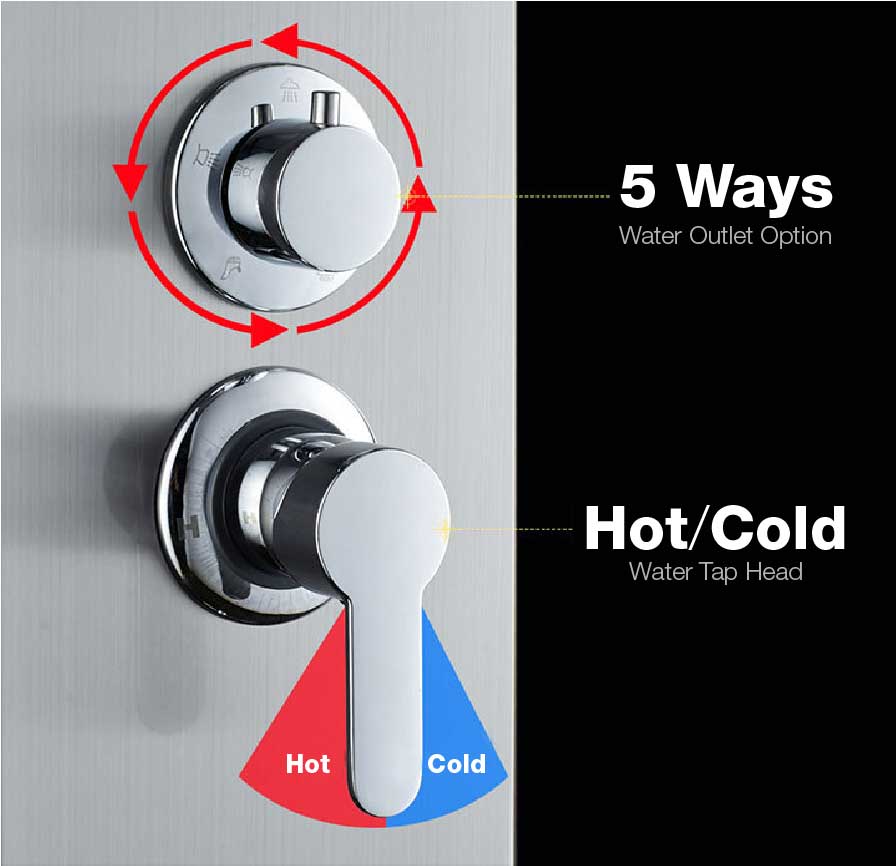
虽然你要额外安装热水管道, 但是 这款热水器至少可以耐15年以上,而且三年多就可以回本。 最重要的是它 不用电, 比较安全, 还可以更环保。 很值得投资的。

你看, 我会说是 投资 不是购买, 因为投资是可以赚回,

购买是你花了就没有了, 分分钟还要维修保养.

“到底这个热水器适合住进去还是新的屋子装比较好?

答案是 “两者都行, 没问题。”

[/ut_custom_heading][/vc_column][/vc_row][vc_row css=”.vc_custom_1545027720124{margin-top: 0px !important;margin-bottom: 0px !important;padding-top: 0px !important;padding-bottom: 0px !important;background-color: #1e73be !important;}”][vc_column css=”.vc_custom_1545027743406{margin-top: 0px !important;margin-bottom: 0px !important;padding-top: 25px !important;padding-bottom: 25px !important;}”][ut_custom_heading align=”center” font_source=”websafe” font_size=”13″ line_height=”160″ font_weight=”300″ color=”#e2e2e2″ css=”.vc_custom_1551404640691{margin-top: 10px !important;margin-bottom: 0px !important;padding-top: 0px !important;padding-bottom: 15px !important;}”]因为你很努力把这个内容给看完
我会给你超特别的OFFER
来获得我们的太阳能热水器!
输入这个密码:SSWH01[/ut_custom_heading][ut_btn button_add_icon=”yes” button_icon_align=”right” button_size=”bklyn-btn-small” button_border_radius=”5″ button_custom_border=”yes” button_border_width=”1″ font_family=”inherit” font_weight=”200″ button_text=”Whatapps 我!” button_icon_bklyn=”BklynIcons-Right-2″ button_link=”url:https%3A%2F%2Fwa.me%2F60162897431|title:Solar%20discount|target:%20_blank|” button_text_color=”#ffffff” button_background=”#3379f2″ button_text_color_hover=”#3379f2″ button_background_hover=”#cfcfcf” spacing=”margin-top:0px;margin-right:0px;margin-bottom:0px;margin-left:0px;padding-top:8px;padding-right:20px;padding-bottom:8px;padding-left:20px” button_border_color=”#ffffff”][ut_custom_heading align=”center” font_source=”websafe” font_size=”13″ line_height=”160″ font_weight=”300″ color=”#e2e2e2″ css=”.vc_custom_1551404498320{margin-top: 0px !important;margin-bottom: 0px !important;padding-top: 15px !important;padding-bottom: 0px !important;}”]感谢你的支持.[/ut_custom_heading][/vc_column][/vc_row]

Which ‘Home Use’ Water Heater Better?

Smart-Solar-Water-Heater-System-Malaysia-service-repair-install-maintenance-kuala-lumpur

[vc_row][vc_column][ut_custom_heading align=”center” font_source=”websafe” font_size=”25″ line_height=”115″ font_weight=”700″ color=”#696969″ css=”.vc_custom_1570254362295{margin-top: 10px !important;margin-bottom: 0px !important;padding-top: 0px !important;padding-bottom: 15px !important;}”]Which
Water Heater
Is BEST For Your Home?[/ut_custom_heading][vc_column_text][/vc_column_text][/vc_column][/vc_row][vc_row hide_on_tablet=”true” hide_on_mobile=”true” css=”.vc_custom_1570254040122{margin-top: 0px !important;margin-right: 0px !important;margin-bottom: 0px !important;margin-left: 0px !important;padding-top: 0px !important;padding-right: 0px !important;padding-bottom: 0px !important;padding-left: 0px !important;background-color: #595959 !important;}”][vc_column css=”.vc_custom_1570253509748{margin-top: 0px !important;margin-right: 0px !important;margin-bottom: 0px !important;margin-left: 0px !important;padding-top: 30px !important;padding-right: 25% !important;padding-bottom: 30px !important;padding-left: 25% !important;}”][ut_video_player caption_font_weight=”bold” maxwidth=”60″ align=”center” play_icon_style=”solid” play_icon_size=”large” icon_pulsate=”on” url=”https://www.youtube.com/watch?v=kFTElX7sdTI” overlay_color=”transparent” play_color=”#ffffff” play_bg_color=”#ff0000″ css=”.vc_custom_1591151629338{margin-top: 0px !important;margin-right: 0px !important;margin-bottom: 0px !important;margin-left: 0px !important;padding-top: 0px !important;padding-right: 0px !important;padding-bottom: 0px !important;padding-left: 0px !important;}” poster=”2347″][/vc_column][/vc_row][vc_row hide_on_desktop=”true” css=”.vc_custom_1570254060957{margin-top: 0px !important;margin-right: 0px !important;margin-bottom: 0px !important;margin-left: 0px !important;padding-top: 0px !important;padding-right: 0px !important;padding-bottom: 0px !important;padding-left: 0px !important;background-color: #595959 !important;}”][vc_column css=”.vc_custom_1570254098336{margin-top: 0px !important;margin-right: 0px !important;margin-bottom: 0px !important;margin-left: 0px !important;padding-top: 30px !important;padding-right: 30px !important;padding-bottom: 30px !important;padding-left: 30px !important;}” offset=”vc_hidden-lg vc_hidden-md vc_hidden-sm”][ut_video_player caption_font_weight=”bold” align=”center” play_icon_style=”solid” icon_pulsate=”on” url=”https://www.youtube.com/watch?v=kFTElX7sdTI” overlay_color=”transparent” play_color=”#ffffff” play_bg_color=”#ff0000″ css=”.vc_custom_1670395157043{margin-top: 0px !important;margin-right: 0px !important;margin-bottom: 0px !important;margin-left: 0px !important;padding-top: 0px !important;padding-right: 0px !important;padding-bottom: 0px !important;padding-left: 0px !important;}” poster=”2347″][/vc_column][/vc_row][vc_row css=”.vc_custom_1551169511743{background-color: #f2f2f2 !important;}”][vc_column][ut_custom_heading font_source=”websafe” font_size=”15″ line_height=”130″ font_weight=”300″ color=”#696969″ css=”.vc_custom_1551242916357{margin-top: 0px !important;margin-bottom: 0px !important;padding-top: 10px !important;padding-bottom: 10px !important;}”]

1. Instant Water Heater is the most common type of water heater in Malaysia. Basically it can be divided into ‘Pump’ type and ‘Without Pump’ type. There are many brands such as Panasonic, Alpha, Joven, Elba, or more expensive brand like Electrolux. ‘No brand’ water heater can also be found in the market. Overall the price varies around RM 200-1000.

[/ut_custom_heading][ut_animated_image size=”full” align=”center” css=”.vc_custom_1550908263567{margin-top: 0px !important;margin-bottom: 0px !important;padding-top: 0px !important;padding-right: 0% !important;padding-bottom: 0px !important;padding-left: 0% !important;border-radius: 1px !important;}” image=”2181″][ut_custom_heading align=”center” font_source=”websafe” font_size=”13″ line_height=”130″ font_weight=”300″ color=”#494949″ css=”.vc_custom_1551169600637{margin-top: 5px !important;margin-bottom: 0px !important;padding-top: 0px !important;padding-bottom: 15px !important;}”]Type of instant water heater.[/ut_custom_heading][ut_custom_heading font_source=”websafe” font_size=”15″ line_height=”130″ font_weight=”300″ color=”#696969″ css=”.vc_custom_1551243033368{margin-top: 10px !important;margin-bottom: 0px !important;padding-top: 0px !important;padding-bottom: 0px !important;}”]

What are differences between them? With current technology, the hot water heater have not much differences in function. To be more secure, of course, it is better to buy the ‘BRANDED’ water heater.

What are the ADVANTAGES that makes the Instant Water Heater SO POPULAR?

1. Most housing developer design the bathroom like that, you have no choice.
2. Simple installation, junior electrician can also install it.
3. Only Pay for the hot water you Use.[/ut_custom_heading][ut_animated_image size=”full” align=”center” css=”.vc_custom_1551173247237{margin-top: 0px !important;margin-bottom: 0px !important;padding-top: 0px !important;padding-right: 0% !important;padding-bottom: 0px !important;padding-left: 0% !important;border-radius: 1px !important;}” image=”2210″][ut_custom_heading align=”center” font_source=”websafe” font_size=”13″ line_height=”130″ font_weight=”300″ color=”#494949″ css=”.vc_custom_1551171086353{margin-top: 5px !important;margin-bottom: 0px !important;padding-top: 0px !important;padding-bottom: 15px !important;}”]See, most of developer design the bathroom like that.[/ut_custom_heading][ut_custom_heading font_source=”websafe” font_size=”15″ line_height=”130″ font_weight=”300″ color=”#696969″ css=”.vc_custom_1551243310483{margin-top: 10px !important;margin-bottom: 0px !important;padding-top: 0px !important;padding-bottom: 0px !important;}”]

But the ‘ISSUE’ is that :

1. The whole thing is in the bathroom, it looks messy, and feels like budget hotel.
2. Inconsistent water pressure will cause hot water to suddenly become too hot, experiencing yourself in bad hot shower.
3. There is risk of electrocution. The sockets are not splash-proof. Although most water heaters have leakage protection like ELCB (Earth Leakage Circuit Breaker), ELB (Electric Leakage Breaker), ELSD and/or EELS, however, if your home has problem with grounding system, all these leakage protections are useless.
4. Overload burn! Instant Water Heater Power socket should be 25A, not 13A or 15A because 3.8KW is drawing 16A current.[/ut_custom_heading][ut_animated_image size=”full” align=”center” css=”.vc_custom_1551174001806{margin-top: 0px !important;margin-bottom: 0px !important;padding-top: 0px !important;padding-right: 0% !important;padding-bottom: 0px !important;padding-left: 0% !important;border-radius: 1px !important;}” image=”2211″][ut_custom_heading align=”center” font_source=”websafe” font_size=”13″ line_height=”130″ font_weight=”300″ color=”#494949″ css=”.vc_custom_1551174847665{margin-top: 8px !important;margin-bottom: 0px !important;padding-top: 0px !important;padding-bottom: 25px !important;}”]Messy wiring, piping, look like budget hotel[/ut_custom_heading][ut_animated_image size=”full” align=”center” css=”.vc_custom_1551174522123{margin-top: 0px !important;margin-bottom: 0px !important;padding-top: 0px !important;padding-right: 0% !important;padding-bottom: 0px !important;padding-left: 0% !important;border-radius: 1px !important;}” image=”2212″][ut_custom_heading align=”center” font_source=”websafe” font_size=”13″ line_height=”130″ font_weight=”300″ color=”#494949″ css=”.vc_custom_1551174855282{margin-top: 8px !important;margin-bottom: 0px !important;padding-top: 0px !important;padding-bottom: 25px !important;}”]Socket should be splash-proof.[/ut_custom_heading][ut_animated_image size=”full” align=”center” css=”.vc_custom_1551175278337{margin-top: 0px !important;margin-bottom: 0px !important;padding-top: 0px !important;padding-right: 0% !important;padding-bottom: 0px !important;padding-left: 0% !important;border-radius: 1px !important;}” image=”2213″][ut_custom_heading align=”center” font_source=”websafe” font_size=”13″ line_height=”130″ font_weight=”300″ color=”#494949″ css=”.vc_custom_1551174863138{margin-top: 8px !important;margin-bottom: 0px !important;padding-top: 0px !important;padding-bottom: 25px !important;}”]It should be 25A rated current power socket to avoid overload.[/ut_custom_heading][ut_custom_heading font_source=”websafe” font_size=”15″ line_height=”130″ font_weight=”300″ color=”#696969″ css=”.vc_custom_1570252921920{margin-top: 10px !important;margin-bottom: 0px !important;padding-top: 0px !important;padding-bottom: 0px !important;}”]

For safety, I suggest everyone here that uses instant water heater to check the RCCB every three months. It is very simple. Just press the ‘T’ word. If all the power is cut off at home, this means that the leakage protection (grounding system) works normally. If it is not, you should call certified wire-man to repair it immediately.

[/ut_custom_heading][ut_animated_image size=”full” align=”center” css=”.vc_custom_1551175756439{margin-top: 0px !important;margin-bottom: 0px !important;padding-top: 0px !important;padding-right: 0% !important;padding-bottom: 0px !important;padding-left: 0% !important;border-radius: 1px !important;}” image=”2214″][ut_custom_heading align=”center” font_source=”websafe” font_size=”13″ line_height=”130″ font_weight=”300″ color=”#494949″ css=”.vc_custom_1551175701127{margin-top: 8px !important;margin-bottom: 0px !important;padding-top: 0px !important;padding-bottom: 25px !important;}”]Check the RCCB and press the ‘T’ button.[/ut_custom_heading][/vc_column][/vc_row][vc_row css=”.vc_custom_1551175829483{background-color: #ffffff !important;}”][vc_column][ut_custom_heading font_source=”websafe” font_size=”15″ line_height=”130″ font_weight=”300″ color=”#696969″ css=”.vc_custom_1551243424752{margin-top: 0px !important;margin-bottom: 0px !important;padding-top: 10px !important;padding-bottom: 10px !important;}”]

2. Storage Water Heater is the second option but we seldom see and use. It is usually installed on the ceiling. It has an insulated hot water tank that can stores up to 25L, 35L, and 50L of hot water.[/ut_custom_heading][ut_animated_image size=”full” align=”center” css=”.vc_custom_1551176008208{margin-top: 0px !important;margin-bottom: 0px !important;padding-top: 0px !important;padding-right: 0% !important;padding-bottom: 0px !important;padding-left: 0% !important;border-radius: 1px !important;}” image=”2187″][ut_custom_heading align=”center” font_source=”websafe” font_size=”13″ line_height=”130″ font_weight=”300″ color=”#494949″ css=”.vc_custom_1551176044455{margin-top: 8px !important;margin-bottom: 0px !important;padding-top: 0px !important;padding-bottom: 25px !important;}”]Type of storage water heater.[/ut_custom_heading][ut_custom_heading font_source=”websafe” font_size=”15″ line_height=”130″ font_weight=”300″ color=”#696969″ css=”.vc_custom_1551244628631{margin-top: 0px !important;margin-bottom: 0px !important;padding-top: 10px !important;padding-bottom: 10px !important;}”]

What is the ADVANTAGES?

1. It’s safer, you can turn the water heater ‘ON’ first before you take shower, and turn ‘OFF’ when you want to take shower. so there is less danger of electricity leakage.
2. The temperature inside the storage tank is constant, it won’t have issue of sudden too cold or too hot.
3. Water heater hidden on top of the ceiling, no messy wiring and piping expose. Feel more elegant like five-star hotel.
4. Hot water can be supplied to multiple rooms, such as bathrooms, sinks and washing machines with just a unit of storage water heater.[/ut_custom_heading][ut_animated_image size=”full” align=”center” css=”.vc_custom_1551246106633{margin-top: 0px !important;margin-bottom: 0px !important;padding-top: 0px !important;padding-right: 0% !important;padding-bottom: 0px !important;padding-left: 0% !important;border-radius: 1px !important;}” image=”2230″][ut_custom_heading align=”center” font_source=”websafe” font_size=”13″ line_height=”130″ font_weight=”300″ color=”#494949″ css=”.vc_custom_1551251856765{margin-top: 8px !important;margin-bottom: 0px !important;padding-top: 0px !important;padding-bottom: 25px !important;}”]Feel more elegant like five-star hotel.[/ut_custom_heading][ut_custom_heading font_source=”websafe” font_size=”15″ line_height=”130″ font_weight=”300″ color=”#696969″ css=”.vc_custom_1551244644470{margin-top: 0px !important;margin-bottom: 0px !important;padding-top: 10px !important;padding-bottom: 10px !important;}”]

ISSUES?

1. It will need to heat the whole tank of water and the unused hot water will cause wastage and higher utility bills.
2. You must turn on the water heater first and then wait only can take bath. It cannot be used on demand.
3. Also, you must have pre-installed hot water pipe (piping system). And it will costs more to install compared to instant water heater.[/ut_custom_heading][ut_animated_image size=”full” align=”center” css=”.vc_custom_1551251728367{margin-top: 0px !important;margin-bottom: 0px !important;padding-top: 0px !important;padding-right: 0% !important;padding-bottom: 0px !important;padding-left: 0% !important;border-radius: 1px !important;}” image=”2234″][ut_custom_heading align=”center” font_source=”websafe” font_size=”13″ line_height=”130″ font_weight=”300″ color=”#494949″ css=”.vc_custom_1551251871690{margin-top: 8px !important;margin-bottom: 0px !important;padding-top: 0px !important;padding-bottom: 25px !important;}”]Issue : High Bill, Wait for bath and Pre-installed hot piping.[/ut_custom_heading][/vc_column][/vc_row][vc_row css=”.vc_custom_1551232774798{background-color: #292929 !important;}”][vc_column][ut_custom_heading font_source=”websafe” font_size=”15″ line_height=”130″ font_weight=”500″ color=”#fffe00″ css=”.vc_custom_1551232799486{margin-top: 0px !important;margin-bottom: 0px !important;padding-top: 10px !important;padding-bottom: 10px !important;}”]

“The storage tank type is better because it is safer, bathroom look more elegant but more wastage. The instant water heater is good, simple to install, cheap, but it is not so safe.”[/ut_custom_heading][ut_animated_image size=”full” align=”center” css=”.vc_custom_1551176821475{margin-top: 0px !important;margin-bottom: 0px !important;padding-top: 0px !important;padding-right: 0% !important;padding-bottom: 0px !important;padding-left: 0% !important;border-radius: 1px !important;}” image=”2215″][ut_custom_heading font_source=”websafe” font_size=”15″ line_height=”130″ font_weight=”300″ color=”#ffffff” css=”.vc_custom_1551234031460{margin-top: 0px !important;margin-bottom: 0px !important;padding-top: 10px !important;padding-bottom: 10px !important;}”]

I am sure you will ask me,

“Is there any water heater that :

• Saves money
• Looks nice
• Does not have wastage
• Large-capacity tank
• Most importantly ‘SAFE’

???
???

If I add another benefit to you, you can even save more than RM20 thousand.

GOOD Enough ?????

[/ut_custom_heading][/vc_column][/vc_row][vc_row][vc_column][ut_custom_heading font_source=”websafe” font_size=”15″ line_height=”130″ font_weight=”300″ color=”#696969″ css=”.vc_custom_1551243729871{margin-top: 0px !important;margin-bottom: 0px !important;padding-top: 10px !important;padding-bottom: 10px !important;}”]

3. SMART SOLAR WATER HEATER is the best option. Sunlight is free in Malaysia. Using sun, the water can be heat without using electricity!

[/ut_custom_heading][ut_animated_image size=”full” align=”center” css=”.vc_custom_1551234778938{margin-top: 0px !important;margin-bottom: 0px !important;padding-top: 0px !important;padding-right: 0% !important;padding-bottom: 0px !important;padding-left: 0% !important;border-radius: 1px !important;}” image=”2218″][ut_custom_heading align=”center” font_source=”websafe” font_size=”13″ line_height=”130″ font_weight=”300″ color=”#494949″ css=”.vc_custom_1551234847809{margin-top: 7px !important;margin-bottom: 0px !important;padding-top: 0px !important;padding-bottom: 15px !important;}”]Solar Hot Water Heater.[/ut_custom_heading][ut_custom_heading font_source=”websafe” font_size=”15″ line_height=”130″ font_weight=”300″ color=”#696969″ css=”.vc_custom_1551243686054{margin-top: 0px !important;margin-bottom: 0px !important;padding-top: 10px !important;padding-bottom: 20px !important;}”]

What is the solar water heater ADVANTAGES?

1. No electricity usage, you can save more than RM 20 thousand in years to come. Tell me, what other appliances can help you save money?
2. No electricity usage, of course, it will be safer, so you don’t have to worry for any electricity leakage.
3. No electricity usage, 24 hours hot water, hot water can be used as soon as it is turned ‘ON’, and the capacity is at least 150 liters to 300 liters. Enough for your whole family to enjoy.

ISSUES?

1. Like the storage tank, it must have a pre-installed hot water pipe.[/ut_custom_heading][/vc_column][/vc_row][vc_row css=”.vc_custom_1551233783087{background-color: #f2f2f2 !important;}”][vc_column][ut_animated_image size=”full” align=”center” css=”.vc_custom_1551253070297{margin-top: 0px !important;margin-bottom: 0px !important;padding-top: 0px !important;padding-right: 0% !important;padding-bottom: 0px !important;padding-left: 0% !important;border-radius: 1px !important;}” image=”2235″][ut_custom_heading align=”center” font_source=”websafe” font_size=”13″ line_height=”130″ font_weight=”300″ color=”#494949″ css=”.vc_custom_1551253382493{margin-top: 7px !important;margin-bottom: 0px !important;padding-top: 0px !important;padding-bottom: 15px !important;}”]Best Investment for Safety, Saving Money & Saving Environment.[/ut_custom_heading][ut_custom_heading font_source=”websafe” font_size=”15″ line_height=”130″ font_weight=”300″ color=”#696969″ css=”.vc_custom_1713539442959{margin-top: 0px !important;margin-bottom: 0px !important;padding-top: 0px !important;padding-bottom: 10px !important;}”]

Although you have to install additional hot water pipes, you can use the solar water heater for at least 15 years, and you can gain its return (ROI) around three years. The most important thing is that it does not use electricity, is safer, and environmental friendly too. Always worthy of investing.

You see, I am saying that this is an INVESTMENT and NOT PURCHASE, because you can always gain profit from investing.

Purchasing on the other hand will cost you money, and the product needs maintenance after sometimes.

“Is this heater suitable for new house or already lived in?

The answer is “Both can, no problem.”

Want to know more?
Contact us now @ 016-289 7431

‘Key In’ this code to me : SSWH01, I will give you super special OFFER.
Because you had tried hard to read this article. Thank you for your support.[/ut_custom_heading][/vc_column][/vc_row][vc_row css=”.vc_custom_1545027720124{margin-top: 0px !important;margin-bottom: 0px !important;padding-top: 0px !important;padding-bottom: 0px !important;background-color: #1e73be !important;}”][vc_column css=”.vc_custom_1545027743406{margin-top: 0px !important;margin-bottom: 0px !important;padding-top: 25px !important;padding-bottom: 25px !important;}”][ut_custom_heading align=”center” font_source=”websafe” font_size=”13″ line_height=”160″ font_weight=”300″ color=”#e2e2e2″ css=”.vc_custom_1551146341794{margin-top: 10px !important;margin-bottom: 0px !important;padding-top: 0px !important;padding-bottom: 15px !important;}”]Get Your
Water Heater
with
Smart Solar Hot Water System[/ut_custom_heading][ut_btn button_add_icon=”yes” button_icon_align=”right” button_size=”bklyn-btn-small” button_border_radius=”5″ button_custom_border=”yes” button_border_width=”1″ font_family=”inherit” font_weight=”200″ button_text=”Get It Here!” button_icon_bklyn=”BklynIcons-Right-2″ button_link=”url:https%3A%2F%2Fwa.me%2F60162897431|title:I%20want%20luxury%20shower%20set|target:%20_blank|” button_text_color=”#ffffff” button_background=”#3379f2″ button_text_color_hover=”#3379f2″ button_background_hover=”#cfcfcf” spacing=”margin-top:0px;margin-right:0px;margin-bottom:0px;margin-left:0px;padding-top:8px;padding-right:20px;padding-bottom:8px;padding-left:20px” button_border_color=”#ffffff”][ut_custom_heading align=”center” font_source=”websafe” font_size=”13″ line_height=”160″ font_weight=”300″ color=”#e2e2e2″ css=”.vc_custom_1545899116712{margin-top: 0px !important;margin-bottom: 0px !important;padding-top: 15px !important;padding-bottom: 0px !important;}”]Contact us now![/ut_custom_heading][/vc_column][/vc_row]

Prevent Shower Electrocution

Smart-Solar-Water-Heater-System-Malaysia-service-repair-install-maintenance-kuala-lumpur

[vc_row][vc_column][ut_custom_heading font_source=”websafe” font_size=”25″ line_height=”115″ font_weight=”700″ color=”#696969″ css=”.vc_custom_1545903802118{margin-top: 10px !important;margin-bottom: 0px !important;padding-top: 0px !important;padding-bottom: 15px !important;}”]How to Prevent
Shower Electrocution[/ut_custom_heading][vc_column_text][/vc_column_text][ut_custom_heading font_source=”websafe” font_size=”13″ line_height=”130″ font_weight=”300″ color=”#696969″ css=”.vc_custom_1546050175604{margin-top: 10px !important;margin-bottom: 0px !important;padding-top: 0px !important;padding-bottom: 10px !important;}”]

Water heaters can be found in many Malaysian homes. It’s a convenient way to get a hot shower, but it can also be a dangerous electrocution hazard.

In August 2016, Malaysians were shocked by news about a 19-year old student who died from electrocution while taking a shower at her home in Seremban 2.

[/ut_custom_heading][ut_animated_image size=”full” align=”center” css=”.vc_custom_1546050253391{margin-top: 0px !important;margin-bottom: 0px !important;padding-top: 0px !important;padding-right: 15% !important;padding-bottom: 0px !important;padding-left: 15% !important;border-radius: 1px !important;}” image=”2157″][ut_custom_heading font_source=”websafe” font_size=”13″ line_height=”130″ font_weight=”300″ color=”#696969″ css=”.vc_custom_1546050152184{margin-top: 10px !important;margin-bottom: 0px !important;padding-top: 0px !important;padding-bottom: 0px !important;}”]

Although the reason for the accident was never identified as the instant water heater, it is possible for such appliances to cause electrocution.
[/ut_custom_heading][ut_custom_heading font_source=”websafe” font_size=”13″ line_height=”130″ font_weight=”300″ color=”#696969″ css=”.vc_custom_1546049713802{margin-top: 22px !important;margin-bottom: 0px !important;padding-top: 5px !important;padding-bottom: 0px !important;}”]

Type of Electrical Water Heaters

[/ut_custom_heading][ut_animated_image size=”full” align=”center” css=”.vc_custom_1545968868969{margin-top: 0px !important;margin-bottom: 0px !important;padding-top: 10px !important;padding-right: 15% !important;padding-bottom: 0px !important;padding-left: 15% !important;border-radius: 1px !important;}” image=”2136″][ut_custom_heading font_source=”websafe” font_size=”13″ line_height=”130″ font_weight=”300″ color=”#696969″ css=”.vc_custom_1545968618712{margin-top: 0px !important;margin-bottom: 0px !important;border-bottom-width: 1px !important;padding-top: 0px !important;padding-bottom: 0px !important;border-bottom-color: #c4c4c4 !important;border-bottom-style: dashed !important;border-radius: 1px !important;}”]

1. Storage Water Heater

It heats up water in a tank, and is usually installed in the ceiling above your bathroom. The hot water is kept until you need it for your shower.[/ut_custom_heading][ut_animated_image size=”full” align=”center” css=”.vc_custom_1545969073735{margin-top: 0px !important;margin-bottom: 0px !important;padding-top: 20px !important;padding-right: 15% !important;padding-bottom: 0px !important;padding-left: 15% !important;border-radius: 1px !important;}” image=”2134″][ut_custom_heading font_source=”websafe” font_size=”13″ line_height=”130″ font_weight=”300″ color=”#696969″ css=”.vc_custom_1545969029148{margin-top: 0px !important;margin-bottom: 0px !important;border-bottom-width: 1px !important;padding-top: 0px !important;padding-bottom: 0px !important;border-bottom-color: #c4c4c4 !important;border-bottom-style: dashed !important;border-radius: 1px !important;}”]

2. Instant Water Heater

Known as a tankless heater, and since it does not have a water tank, it takes up less space in the house.[/ut_custom_heading][ut_custom_heading font_source=”websafe” font_size=”13″ line_height=”130″ font_weight=”300″ color=”#696969″ css=”.vc_custom_1545969937796{margin-top: 22px !important;margin-bottom: 0px !important;padding-top: 5px !important;padding-bottom: 0px !important;}”]

Dangers of electrical water heaters

Water heaters can be a dangerous hazard if not installed or maintained properly. If the thermostat fails, the water can become too hot, and cause severe burns. It can also be a fire risk.

Also, since electricity is used to power the heating elements, it can be an electrocution risk if the electricity is not isolated from the water that flows on your body when you shower.[/ut_custom_heading][ut_custom_heading font_source=”websafe” font_size=”13″ line_height=”130″ font_weight=”300″ color=”#696969″ css=”.vc_custom_1546049637531{margin-top: 22px !important;margin-bottom: 0px !important;padding-top: 5px !important;padding-bottom: 0px !important;}”]

Safety Advice When Choosing Water Heaters

The Malaysian Energy Commission (Suruhanjaya Tenaga Malaysia) has advised homeowners to replace water heaters that are more than 10 years old as those older models do not meet the latest safety requirements.

For storage water heaters, look for those that come with plastic-based inlet/outlet isolation barriers. This innovative device, which has been made mandatory since April, is to limit the amount of leaked current that enters or leaves the circuit, and to prevent electrical accidents.

As for instant water heaters, the new models are now fitted with a built-in 15 miliamps (mA) residual current device, which detects the leak of dangerous current caused by defective equipment.

[/ut_custom_heading][ut_custom_heading font_source=”websafe” font_size=”13″ line_height=”130″ font_weight=”300″ color=”#696969″ css=”.vc_custom_1545970538324{margin-top: 22px !important;margin-bottom: 0px !important;padding-top: 5px !important;padding-bottom: 0px !important;}”]

How to Test Your Water Heater Safety

1. Don’t install a water heater yourself if you are not trained.
2. Check the TEST button on your instant water heater once a month.[/ut_custom_heading][vc_column_text css=”.vc_custom_1545963293103{margin-top: 0px !important;margin-bottom: 0px !important;padding-top: 0px !important;padding-bottom: 0px !important;}”][/vc_column_text][ut_custom_heading font_source=”websafe” font_size=”13″ line_height=”130″ font_weight=”300″ color=”#696969″ css=”.vc_custom_1545970861122{margin-top: 10px !important;margin-bottom: 0px !important;padding-top: 0px !important;padding-bottom: 0px !important;}”]

“To test this, your instant water heater will come with a button on the side marked “TEST” or “ELCB” (Earth leakage circuit breaker). Turn on the switch outside the bathroom (so that the water heater light is on), then press this button. You should hear a click, and the power to the heater will be cut off. That means it is working.”

[/ut_custom_heading][ut_custom_heading font_source=”websafe” font_size=”13″ line_height=”130″ font_weight=”300″ color=”#696969″ css=”.vc_custom_1545970874696{margin-top: 0px !important;margin-bottom: 0px !important;padding-top: 0px !important;padding-bottom: 0px !important;}”]

3. Inspect for loose cabling.
4. Test your house fuse box regularly.

“Open the RCCB cover, and you should see a large “TEST” button. Similar to the ELCB on the water heater, push this button once a month to see if the switches trip, and the power supply cuts off. If power to the house is not cut off when the button is pushed, call an electrician to check it.”

5. Avoid pointing the shower at the water heater casing.[/ut_custom_heading][ut_custom_heading align=”center” font_source=”websafe” font_size=”13″ line_height=”190″ font_weight=”300″ color=”#696969″ css=”.vc_custom_1546069070190{margin-top: 25px !important;margin-bottom: 0px !important;border-top-width: 1px !important;padding-top: 25px !important;padding-bottom: 0px !important;border-top-color: #a8a8a8 !important;border-top-style: dashed !important;border-radius: 1px !important;}”]That is why you & your family need a
Healthy & Safe
Hot Water Heater[/ut_custom_heading][ut_animated_image size=”full” align=”center” css=”.vc_custom_1546068952701{margin-top: 0px !important;margin-bottom: 0px !important;padding-top: 0px !important;padding-right: 15% !important;padding-bottom: 0px !important;padding-left: 15% !important;border-radius: 1px !important;}” image=”2006″][ut_animated_image size=”full” align=”center” css=”.vc_custom_1545969138224{margin-top: 0px !important;margin-bottom: 0px !important;padding-top: 20px !important;padding-right: 15% !important;padding-bottom: 0px !important;padding-left: 15% !important;border-radius: 1px !important;}” image=”2135″][ut_custom_heading font_source=”websafe” font_size=”13″ line_height=”130″ font_weight=”300″ color=”#696969″ css=”.vc_custom_1668663683799{margin-top: 0px !important;margin-bottom: 0px !important;padding-top: 5px !important;padding-bottom: 0px !important;}”]

Solar Water Heater Usage does not require you to test either ELCB or RCCB due to the fact that no electricity involved in heat production.

It uses the solar energy from the sun to generate heat (not electricity) which can then be used to heat water for showering, space heating, industrial processes or even solar cooling.

In the mean time, YOU can :

• Save up to RM 20000.
• Be safe from electrocution.
• Enjoy 24 hours daily hot water.
• Save the environment.

“Let the sun pay for your bill!”[/ut_custom_heading][/vc_column][/vc_row][vc_row css=”.vc_custom_1545027720124{margin-top: 0px !important;margin-bottom: 0px !important;padding-top: 0px !important;padding-bottom: 0px !important;background-color: #1e73be !important;}”][vc_column css=”.vc_custom_1545027743406{margin-top: 0px !important;margin-bottom: 0px !important;padding-top: 25px !important;padding-bottom: 25px !important;}”][ut_custom_heading align=”center” font_source=”websafe” font_size=”13″ line_height=”160″ font_weight=”300″ color=”#e2e2e2″ css=”.vc_custom_1545901906257{margin-top: 10px !important;margin-bottom: 0px !important;padding-top: 0px !important;padding-bottom: 15px !important;}”]Replace Your
Instant Water Heater
with
Smart Solar Hot Water System[/ut_custom_heading][ut_btn button_add_icon=”yes” button_icon_align=”right” button_size=”bklyn-btn-small” button_border_radius=”5″ button_custom_border=”yes” button_border_width=”1″ font_family=”inherit” font_weight=”200″ button_text=”Get It Here!” button_icon_bklyn=”BklynIcons-Right-2″ button_link=”url:https%3A%2F%2Fwa.me%2F60162897431||target:%20_blank|rel:nofollow” button_text_color=”#ffffff” button_background=”#3379f2″ button_text_color_hover=”#3379f2″ button_background_hover=”#cfcfcf” spacing=”margin-top:0px;margin-right:0px;margin-bottom:0px;margin-left:0px;padding-top:8px;padding-right:20px;padding-bottom:8px;padding-left:20px” button_border_color=”#ffffff”][ut_custom_heading align=”center” font_source=”websafe” font_size=”13″ line_height=”160″ font_weight=”300″ color=”#e2e2e2″ css=”.vc_custom_1545899116712{margin-top: 0px !important;margin-bottom: 0px !important;padding-top: 15px !important;padding-bottom: 0px !important;}”]Contact us now![/ut_custom_heading][vc_row_inner disable_element=”yes”][vc_column_inner][ut_animated_image size=”full” align=”center” css=”.vc_custom_1545025587886{margin-top: 0px !important;margin-bottom: 0px !important;padding-top: 10px !important;padding-bottom: 10px !important;}” image=”2011″][ut_custom_heading font_source=”websafe” font_size=”13″ line_height=”130″ font_weight=”300″ color=”#696969″ css=”.vc_custom_1545968119516{margin-top: 22px !important;margin-bottom: 0px !important;padding-top: 5px !important;padding-bottom: 0px !important;}”]

Types of water heaters

[/ut_custom_heading][ut_custom_heading font_source=”websafe” font_size=”13″ line_height=”130″ font_weight=”300″ color=”#696969″ css=”.vc_custom_1545640338737{margin-top: 10px !important;margin-bottom: 0px !important;padding-top: 0px !important;padding-bottom: 15px !important;}”]
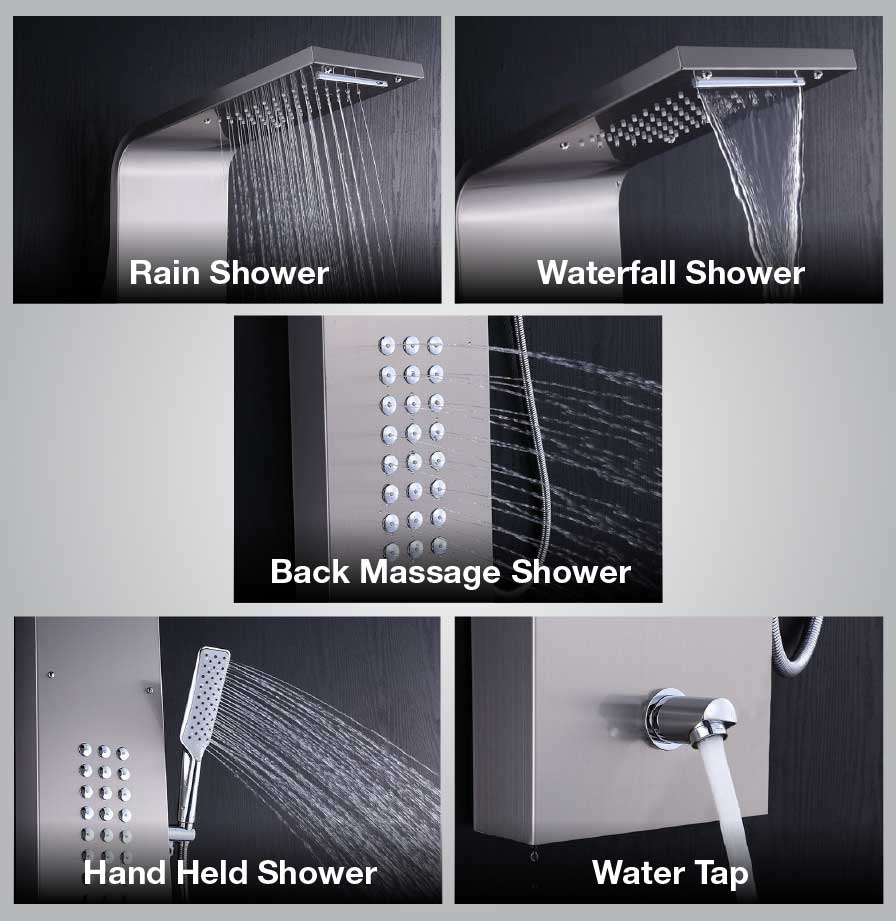
Welcome back.

A lot of our customer tell us that :

• “I know using solar is safer compared to using instant water heater.”
• “I know using solar can save me almost RM 20,000 !”
• “I know I can go green and save the environment using solar !”
• “I know the hot water is always ready anytime i want to take my bath.”

And, they also query us regarding these issue :

• “I just finished my house renovation, i don’t want to do any hot piping work.”
• “I just bought the instant water heater, how can i change to this?”
• “I don’t want any heavy hacking wall job in my house and i don’t want to change my tiles.”

So, in order to let you guys enjoy the benefit of saving up to RM 20k, enjoy 24 hours daily hot water, be safe from electrocution, furthermore save the environment,

Here is the GOOD NEWS :

• No Hacking.
• No Replacing Tiles.

In contrast, you just need to pay for the workmanship, and we make sure you can enjoy the hot water bath like you always get at any 5 STAR Hotel.

And you can get one SHOWER SET absolutely

FREEEEE!![/ut_custom_heading][ut_custom_heading font_source=”websafe” font_size=”13″ line_height=”130″ font_weight=”300″ color=”#696969″ css=”.vc_custom_1545964649486{margin-top: 22px !important;margin-bottom: 0px !important;padding-top: 5px !important;padding-bottom: 0px !important;}”]

Types of water heaters

There are three types of water heaters; storage water heaters, instant water heaters and Solar Water Heaters.

1. Storage water heaters heat up water in a tank, and is usually installed in the ceiling above your bathroom. The hot water is kept until you need it for your shower.

Typical storage water heaters contain anywhere between 40 to 100 litres of water. And because it stores so much water, it needs a few minutes to heat the water to the desired temperature.

The advantage of storage water heaters is its consistency in terms of temperature and water pressure. Since water supply has already been heated, it allows a high-pressure flow of about 10 litres per minute, with a maximum temperature of 70 degree Celsius.

2. Instant water heaters are also common in Malaysian homes. It is also known as a tankless heater, and since it does not have a water tank, it takes up less space in the house. Instant water heaters are installed in the shower area itself.

In an instant water heater, cold water is heated on-the-fly, as it travels through the unit’s heat exchanger. The water supply flows directly through the appliance, where it is instantly heated up by electrical heating elements.

Some instant water heaters also come with a built-in pump. This keeps the water pressure high enough for the heating elements to do their job. If your water pressure is too low (or you are experiencing water rationing), you may not get any hot water from your heater.

Instant water heaters can be more cost effective in the long run, compared to the storage type, as it only uses energy when the heater is being used.

3. Solar Hot Water Heaters is using the solar energy from the sun to generate heat (not electricity) which can then be used to heat water for showering, space heating, industrial processes or even solar cooling.

Solar energy is one of the cleanest, most cost effective solution and doesn’t produce any harmful emissions. This type of water heater is the safest from the 3 because it just works without any electricity!

You can enjoy luxurious and relaxing healthy hot water shower throughout the year without paying one cent. The most important is the major components of the solar water heater can be used for more than fifteen years.
[/ut_custom_heading][/vc_column_inner][/vc_row_inner][/vc_column][/vc_row]

Check ELCB Water Heater

Smart-Solar-Water-Heater-System-Malaysia-service-repair-install-maintenance-kuala-lumpur

[vc_row][vc_column][ut_custom_heading font_source=”websafe” font_size=”25″ line_height=”115″ font_weight=”700″ color=”#696969″ css=”.vc_custom_1545900351990{margin-top: 10px !important;margin-bottom: 0px !important;padding-top: 0px !important;padding-bottom: 15px !important;}”]How to check Water Heater ELCB+RCCB?[/ut_custom_heading][vc_column_text][/vc_column_text][ut_custom_heading font_source=”websafe” font_size=”13″ line_height=”130″ font_weight=”300″ color=”#696969″ css=”.vc_custom_1668663642663{margin-top: 10px !important;margin-bottom: 0px !important;padding-top: 0px !important;padding-bottom: 0px !important;}”]
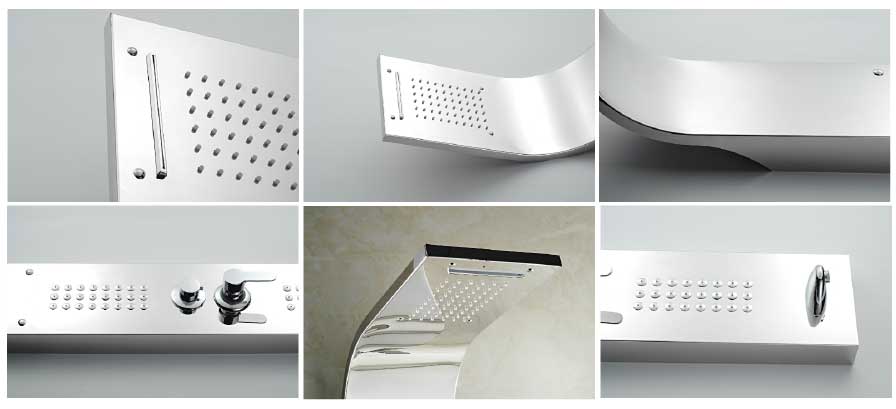
In recent years, we have found that many people have accidentally died due to problems with the water heater. How can we reduce the risk of accidents?

There are many precautions when purchasing an electric water heater. The most important thing is to ensure that there is an Earth Leakage Circuit Breaker (ELCB) in the water heater. Regular inspections, including the use of the situation, detection of leakage and leakage, etc., can ensure the safety of home use. In addition, the water heater should be replaced with a new one after 7 years of use, because the safe water heater will have a certain crisis with time and various factors.

“Long-term use, the machine liner may have scale, affecting internal operations, the water pipe will become smaller and the water no longer hot. Furthermore, some internal parts also have the risk of aging, the grounding wire is broken or bitten by the mouse.Thus, it is difficult to find the cause with the naked eye.”

ELCB inspection method 1:

1. Press the water heater test “TEST” button first, the water heater light is OFF, indicating that it actively cuts off the current supply.
2. Wait a moment, press the reset “RESET” button and the light will be ON again.
3. This means that ELCB/ELB is not broken/damaged and can be used. If the light is still on after pressing “TEST”, it means the breaker is out of order.

ELCB inspection method 2:

1. According to the ELCB/ELB of the water heater, if the hot water and the water pump are interrupted, only the ordinary water flow, indicating that the water heater has no leakage, the leakage circuit breaker is operating normally, and the water heater can be used with confidence.
2. Push the fallen ELCB/ELB back to the original place, the water heater can be operated as usual to restore the hot water supply.
3. If ELCB/ELB is pressed but it won’t fall, furthermore, hot water and water pump continue to be supplied and operated, it means that ELCB may have problems, so please contact the technician immediately.
[/ut_custom_heading][ut_custom_heading font_source=”websafe” font_size=”13″ line_height=”130″ font_weight=”300″ color=”#696969″ css=”.vc_custom_1545897276975{margin-top: 10px !important;margin-bottom: 0px !important;padding-top: 0px !important;padding-bottom: 15px !important;}”]
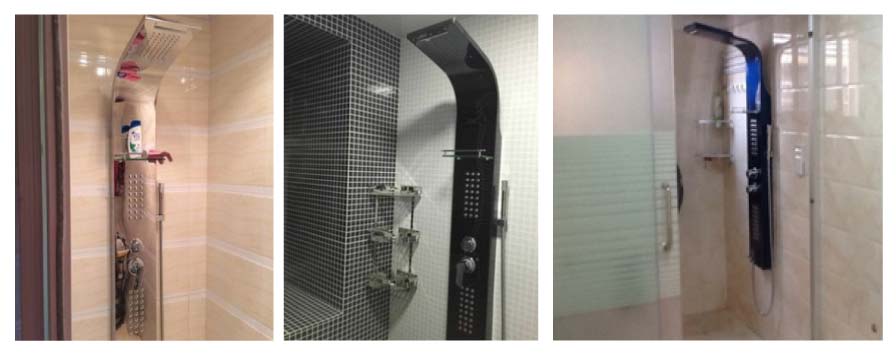
In addition to ELCB, consumers also need to periodically check the Residual Current Circuit Breaker (RCCB). First, press the T-letter button to test whether the circuit breaker that was originally facing up will automatically trip or the home appliance will automatically go out. If the home appliance is automatically turned off, the RCCB will operate normally.

If the home appliance does not automatically turn off or the circuit breaker does not trip, it represents a fault in the circuit breaker. Do not use any electrical appliances in your home, especially water heaters, electric kettles and electrical products containing metals. Seek qualified electrical technicians right away.
[/ut_custom_heading][vc_column_text css=”.vc_custom_1545896821911{margin-top: 0px !important;margin-bottom: 0px !important;padding-top: 0px !important;padding-bottom: 0px !important;}”][/vc_column_text][ut_custom_heading font_source=”websafe” font_size=”13″ line_height=”130″ font_weight=”300″ color=”#696969″ css=”.vc_custom_1545897800069{margin-top: 15px !important;margin-bottom: 0px !important;padding-top: 0px !important;padding-bottom: 0px !important;}”]

What you need to know before purchasing a water heater.

1. Adhere to the brand of water heaters that have built-in ELCB leakage circuit breakers.
2. Water heaters must use insulated water pipes. Do not buy water heaters that use metal showers and hoses.
3. It must be ensured that the hot water machine is SIRIM certified.
4. The waterproof function data of the case is IP25 or IPX5.
5. Choose a brand with credit and pay attention to the product warranty period.
[/ut_custom_heading][ut_custom_heading font_source=”websafe” font_size=”13″ line_height=”130″ font_weight=”300″ color=”#696969″ css=”.vc_custom_1545900159606{margin-top: 0px !important;margin-bottom: 0px !important;padding-top: 5px !important;padding-bottom: 0px !important;}”]

Electric water heater SAFE USE REMINDER.

1. Do not install or repair the water heater by yourself. You must find a professional electrician.
2. Install a two-pole circuit breaker outside the bathroom. As a dedicated power switch for the electric water heater, be sure to use separate lines and sockets.
3. Install the water heater at the height of an adult. Average height is Eye Level. If the position is too high, it is difficult to control the button of the water heater. Too low, then it is easy to let the heater itself wets.
4. Perform an ELCB leakage check between two weeks to one month to prevent leakage.
5. Conduct 4 RCCB test leakage circuit breaker inspections a year to ensure that the grounding device in the home is in good working condition.
6. When using, it is recommended to slowly increase the temperature to prevent burns.
7. If you buy a second-hand house, you should ask a professional electrician to check the circuit at home before the decoration.
8. When an electric shock occurs, disconnect the power switch for the first time.[/ut_custom_heading][ut_custom_heading font_source=”websafe” font_size=”13″ line_height=”130″ font_weight=”300″ color=”#696969″ css=”.vc_custom_1681111867813{margin-top: 0px !important;margin-bottom: 0px !important;padding-top: 5px !important;padding-bottom: 0px !important;}” link=”url:http%3A%2F%2Fwww.misterleaf.com%2F9417%2Fselfcheck-waterheater-elcb-rccb%2F||target:%20_blank|rel:nofollow”]

Source

http://www.misterleaf.com[/ut_custom_heading][vc_row_inner css=”.vc_custom_1545898063408{margin-top: 0px !important;margin-bottom: 0px !important;padding-top: 0px !important;padding-bottom: 0px !important;}”][vc_column_inner css=”.vc_custom_1545898074441{margin-top: 0px !important;margin-bottom: 0px !important;padding-top: 0px !important;padding-bottom: 0px !important;}”][ut_video_player caption_font_weight=”bold” maxwidth=”95″ align=”center” icon_pulsate=”on” url=”https://www.youtube.com/watch?time_continue=73&v=gKWV6CTHXmE&rel=0″ overlay_color=”transparent” play_color=”#ffffff” play_bg_color=”#ff0000″ css=”.vc_custom_1545898549844{margin-top: 0px !important;margin-bottom: 0px !important;padding-top: 10px !important;padding-bottom: 10px !important;}” poster=”2108″][/vc_column_inner][/vc_row_inner][/vc_column][/vc_row][vc_row css=”.vc_custom_1545027720124{margin-top: 0px !important;margin-bottom: 0px !important;padding-top: 0px !important;padding-bottom: 0px !important;background-color: #1e73be !important;}”][vc_column css=”.vc_custom_1545027743406{margin-top: 0px !important;margin-bottom: 0px !important;padding-top: 25px !important;padding-bottom: 25px !important;}”][ut_custom_heading align=”center” font_source=”websafe” font_size=”13″ line_height=”160″ font_weight=”300″ color=”#e2e2e2″ css=”.vc_custom_1545901906257{margin-top: 10px !important;margin-bottom: 0px !important;padding-top: 0px !important;padding-bottom: 15px !important;}”]Replace Your
Instant Water Heater
with
Smart Solar Hot Water System[/ut_custom_heading][ut_btn button_add_icon=”yes” button_icon_align=”right” button_size=”bklyn-btn-small” button_border_radius=”5″ button_custom_border=”yes” button_border_width=”1″ font_family=”inherit” font_weight=”200″ button_text=”Get It Here!” button_icon_bklyn=”BklynIcons-Right-2″ button_link=”url:https%3A%2F%2Fwa.me%2F60162897431||target:%20_blank|rel:nofollow” button_text_color=”#ffffff” button_background=”#3379f2″ button_text_color_hover=”#3379f2″ button_background_hover=”#cfcfcf” spacing=”margin-top:0px;margin-right:0px;margin-bottom:0px;margin-left:0px;padding-top:8px;padding-right:20px;padding-bottom:8px;padding-left:20px” button_border_color=”#ffffff”][ut_custom_heading align=”center” font_source=”websafe” font_size=”13″ line_height=”160″ font_weight=”300″ color=”#e2e2e2″ css=”.vc_custom_1545899116712{margin-top: 0px !important;margin-bottom: 0px !important;padding-top: 15px !important;padding-bottom: 0px !important;}”]Contact us now![/ut_custom_heading][vc_row_inner disable_element=”yes”][vc_column_inner][ut_animated_image size=”full” align=”center” css=”.vc_custom_1545025587886{margin-top: 0px !important;margin-bottom: 0px !important;padding-top: 10px !important;padding-bottom: 10px !important;}” image=”2011″][ut_custom_heading font_source=”websafe” font_size=”13″ line_height=”130″ font_weight=”300″ color=”#696969″ css=”.vc_custom_1545640338737{margin-top: 10px !important;margin-bottom: 0px !important;padding-top: 0px !important;padding-bottom: 15px !important;}”]

Welcome back.

A lot of our customer tell us that :

• “I know using solar is safer compared to using instant water heater.”
• “I know using solar can save me almost RM 20,000 !”
• “I know I can go green and save the environment using solar !”
• “I know the hot water is always ready anytime i want to take my bath.”

And, they also query us regarding these issue :

• “I just finished my house renovation, i don’t want to do any hot piping work.”
• “I just bought the instant water heater, how can i change to this?”
• “I don’t want any heavy hacking wall job in my house and i don’t want to change my tiles.”

So, in order to let you guys enjoy the benefit of saving up to RM 20k, enjoy 24 hours daily hot water, be safe from electrocution, furthermore save the environment,

Here is the GOOD NEWS :

• No Hacking.
• No Replacing Tiles.

In contrast, you just need to pay for the workmanship, and we make sure you can enjoy the hot water bath like you always get at any 5 STAR Hotel.

And you can get one SHOWER SET absolutely

FREEEEE!![/ut_custom_heading][/vc_column_inner][/vc_row_inner][/vc_column][/vc_row]

Hot Water Piping Solution

Smart-Solar-Water-Heater-System-Malaysia-service-repair-maintenance-kuala-lumpur

[vc_row][vc_column][ut_custom_heading font_source=”websafe” font_size=”35″ line_height=”85″ font_weight=”700″ color=”#696969″ css=”.vc_custom_1590559748891{margin-top: 10px !important;margin-bottom: 0px !important;padding-top: 0px !important;padding-bottom: 15px !important;}”]You can now ENJOY the benefit of
Smart Solar Hot Water System
Even if you don’t have hot water piping!!![/ut_custom_heading][vc_column_text][/vc_column_text][vc_row_inner hide_on_tablet=”true” hide_on_mobile=”true” css=”.vc_custom_1591150013634{margin-top: 0px !important;margin-right: 0px !important;margin-bottom: 0px !important;margin-left: 0px !important;padding-top: 0px !important;padding-right: 0px !important;padding-bottom: 0px !important;padding-left: 0px !important;}”][vc_column_inner offset=”vc_hidden-xs” css=”.vc_custom_1591150027596{margin: 0px !important;padding: 0px !important;}”][ut_video_player caption_font_weight=”bold” align=”center” play_icon_style=”solid” play_icon_size=”large” icon_pulsate=”on” url=”https://www.youtube.com/watch?v=ZDBE-gdOVDI” overlay_color=”transparent” play_color=”#ffffff” play_bg_color=”#ff0000″ poster=”2348″][/vc_column_inner][/vc_row_inner][vc_row_inner hide_on_desktop=”true” css=”.vc_custom_1591152709641{margin-top: 0px !important;margin-right: 0px !important;margin-bottom: 0px !important;margin-left: 0px !important;padding-top: 0px !important;padding-right: 0px !important;padding-bottom: 0px !important;padding-left: 0px !important;}”][vc_column_inner offset=”vc_hidden-lg vc_hidden-md” css=”.vc_custom_1591152720630{margin-top: 0px !important;margin-right: 0px !important;margin-bottom: 0px !important;margin-left: 0px !important;padding-top: 0px !important;padding-right: 0px !important;padding-bottom: 0px !important;padding-left: 0px !important;}”][ut_video_player caption_font_weight=”bold” align=”center” play_icon_style=”solid” icon_pulsate=”on” url=”https://www.youtube.com/watch?v=ZDBE-gdOVDI” overlay_color=”transparent” play_color=”#ffffff” play_bg_color=”#ff0000″ poster=”2348″][/vc_column_inner][/vc_row_inner][ut_custom_heading font_source=”websafe” font_size=”13″ line_height=”130″ font_weight=”300″ color=”#696969″ css=”.vc_custom_1668663497770{margin-top: 10px !important;margin-bottom: 0px !important;padding-top: 0px !important;padding-bottom: 15px !important;}”]

Your Question :

1. “My house just finished renovation, I don’t want to do any hot piping work.”
2. “I use the instant water heater, how can I change to this?”
3. “I don’t want any heavy hacking wall job in my house and I don’t want to change my tiles.”

So, in order to let YOU enjoy the benefit of :

• Saving up to RM 20000
• Safe from electrocution
• Enjoy 24 hours daily hot water
• Saving the environment

Here is the GOOD NEWS :

• No Hacking.
• No Replacing Tiles.

In contrast, you just need to pay for the workmanship, and we make sure you can enjoy the hot water bath like you always get at any 5 STAR Hotel.

And you can get one LUXURY SHOWER SET

@Super Low Price In Market[/ut_custom_heading][ut_custom_heading font_source=”websafe” font_size=”13″ line_height=”150″ font_weight=”300″ color=”#696969″ css=”.vc_custom_1545874775457{margin-top: 10px !important;margin-bottom: 0px !important;padding-top: 0px !important;padding-bottom: 15px !important;}”]5⋆ Hotel Screen Shower[/ut_custom_heading][vc_column_text][/vc_column_text][ut_custom_heading font_source=”websafe” font_size=”13″ line_height=”130″ font_weight=”300″ color=”#696969″ css=”.vc_custom_1545811937988{margin-top: 10px !important;margin-bottom: 0px !important;padding-top: 0px !important;padding-bottom: 15px !important;}”]

Now, you can enjoy your bath by adjusting left or right for the warm and cold water, like a 5 Star Hotel feeling. Furthermore, it comes with 5 bath mode:

• Rain shower
• Waterfall shower
• Back massage shower
• Hand-held shower
• Water tap
[/ut_custom_heading][vc_column_text]

[/vc_column_text][ut_custom_heading font_source=”websafe” font_size=”13″ line_height=”150″ font_weight=”300″ color=”#696969″ css=”.vc_custom_1545812644923{margin-top: 10px !important;margin-bottom: 0px !important;padding-top: 0px !important;padding-bottom: 15px !important;}”]Gallery[/ut_custom_heading][vc_column_text][/vc_column_text][ut_custom_heading font_source=”websafe” font_size=”13″ line_height=”150″ font_weight=”300″ color=”#696969″ css=”.vc_custom_1545812632623{margin-top: 10px !important;margin-bottom: 0px !important;padding-top: 0px !important;padding-bottom: 15px !important;}”]Customers’ Testimonies[/ut_custom_heading][vc_column_text css=”.vc_custom_1545811774277{margin-bottom: 0px !important;padding-bottom: 0px !important;}”][/vc_column_text][ut_custom_heading font_source=”websafe” font_size=”13″ line_height=”130″ font_weight=”300″ color=”#696969″ css=”.vc_custom_1545811903960{margin-top: 0px !important;margin-bottom: 0px !important;padding-top: 15px !important;padding-bottom: 35px !important;}”]So now, you can enjoy all the

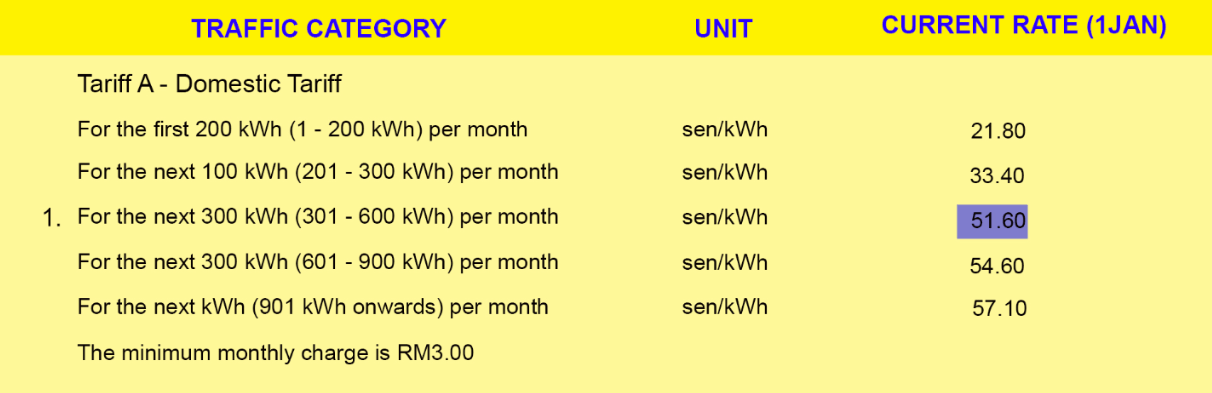
Smart Solar Hot Water System benefits![/ut_custom_heading][/vc_column][/vc_row][vc_row css=”.vc_custom_1545027720124{margin-top: 0px !important;margin-bottom: 0px !important;padding-top: 0px !important;padding-bottom: 0px !important;background-color: #1e73be !important;}”][vc_column css=”.vc_custom_1545027743406{margin-top: 0px !important;margin-bottom: 0px !important;padding-top: 25px !important;padding-bottom: 25px !important;}”][ut_custom_heading align=”center” font_source=”websafe” font_size=”13″ line_height=”160″ font_weight=”300″ color=”#e2e2e2″ css=”.vc_custom_1592982109452{margin-top: 10px !important;margin-bottom: 0px !important;padding-top: 0px !important;padding-bottom: 15px !important;}”]Get Your
5⋆ Luxury Shower Set
@Lower Price[/ut_custom_heading][ut_btn button_add_icon=”yes” button_icon_align=”right” button_size=”bklyn-btn-small” button_border_radius=”5″ button_custom_border=”yes” button_border_width=”1″ font_family=”inherit” font_weight=”200″ button_text=”Get It Here!” button_icon_bklyn=”BklynIcons-Right-2″ button_link=”url:https%3A%2F%2Fwa.me%2F60162897431|title:I%20want%20luxury%20shower%20set|target:%20_blank|rel:nofollow” button_text_color=”#ffffff” button_background=”#3379f2″ button_text_color_hover=”#3379f2″ button_background_hover=”#cfcfcf” spacing=”margin-top:0px;margin-right:0px;margin-bottom:0px;margin-left:0px;padding-top:8px;padding-right:20px;padding-bottom:8px;padding-left:20px” button_border_color=”#ffffff”][ut_custom_heading align=”center” font_source=”websafe” font_size=”13″ line_height=”160″ font_weight=”300″ color=”#e2e2e2″ css=”.vc_custom_1545812006159{margin-top: 0px !important;margin-bottom: 0px !important;padding-top: 15px !important;padding-bottom: 0px !important;}”]Limited to 50 sets only![/ut_custom_heading][vc_row_inner disable_element=”yes”][vc_column_inner][ut_animated_image size=”full” align=”center” css=”.vc_custom_1545025587886{margin-top: 0px !important;margin-bottom: 0px !important;padding-top: 10px !important;padding-bottom: 10px !important;}” image=”2011″][ut_custom_heading font_source=”websafe” font_size=”13″ line_height=”130″ font_weight=”300″ color=”#696969″ css=”.vc_custom_1668663582642{margin-top: 10px !important;margin-bottom: 0px !important;padding-top: 0px !important;padding-bottom: 15px !important;}”]

Welcome back.

A lot of our customer tell us that :

• “I know using solar is safer compared to using instant water heater.”
• “I know using solar can save me almost RM 20,000 !”
• “I know I can go green and save the environment using solar !”
• “I know the hot water is always ready anytime i want to take my bath.”

And, they also query us regarding these issue :

• “I just finished my house renovation, i don’t want to do any hot piping work.”
• “I just bought the instant < ahref=”https://smartsolar.com.my”>water heater, how can i change to this?”
• “I don’t want any heavy hacking wall job in my house and i don’t want to change my tiles.”

So, in order to let you guys enjoy the benefit of saving up to RM 20k, enjoy 24 hours daily hot water, be safe from electrocution, furthermore save the environment,

Here is the GOOD NEWS :

• No Hacking.
• No Replacing Tiles.

In contrast, you just need to pay for the workmanship, and we make sure you can enjoy the hot water bath like you always get at any 5 STAR Hotel.

And you can get one SHOWER SET

@Super Low Price In Market[/ut_custom_heading][/vc_column_inner][/vc_row_inner][/vc_column][/vc_row][vc_row disable_element=”yes”][vc_column][ut_custom_heading font_source=”websafe” font_size=”13″ line_height=”140″ font_weight=”300″ color=”#696969″ css=”.vc_custom_1545645159700{margin-top: 10px !important;margin-bottom: 0px !important;border-top-width: 1px !important;padding-top: 5px !important;padding-bottom: 0px !important;border-top-color: #cccccc !important;border-top-style: dashed !important;border-radius: 1px !important;}”]

1. Rain Shower

[/ut_custom_heading][ut_animated_image size=”full” image_border_radius=”10″ align=”center” css=”.vc_custom_1545645096853{margin-top: 0px !important;margin-bottom: 0px !important;padding-top: 0px !important;padding-right: 15% !important;padding-bottom: 15px !important;padding-left: 15% !important;}” image=”2056″][ut_custom_heading font_source=”websafe” font_size=”13″ line_height=”140″ font_weight=”300″ color=”#696969″ css=”.vc_custom_1545645246368{margin-top: 10px !important;margin-bottom: 0px !important;border-top-width: 1px !important;padding-top: 5px !important;padding-bottom: 0px !important;border-top-color: #cccccc !important;border-top-style: dashed !important;border-radius: 1px !important;}”]

2. Waterfall Shower

[/ut_custom_heading][ut_animated_image size=”full” image_border_radius=”10″ align=”center” css=”.vc_custom_1545645076550{margin-top: 0px !important;margin-bottom: 0px !important;padding-top: 0px !important;padding-right: 15% !important;padding-bottom: 15px !important;padding-left: 15% !important;}” image=”2057″][ut_custom_heading font_source=”websafe” font_size=”13″ line_height=”140″ font_weight=”300″ color=”#696969″ css=”.vc_custom_1545645234556{margin-top: 10px !important;margin-bottom: 0px !important;border-top-width: 1px !important;padding-top: 5px !important;padding-bottom: 0px !important;border-top-color: #cccccc !important;border-top-style: dashed !important;border-radius: 1px !important;}”]

3. Back massage Shower

[/ut_custom_heading][ut_animated_image size=”full” image_border_radius=”10″ align=”center” css=”.vc_custom_1545645262924{margin-top: 0px !important;margin-bottom: 0px !important;padding-top: 0px !important;padding-right: 15% !important;padding-bottom: 15px !important;padding-left: 15% !important;}” image=”2054″][ut_custom_heading font_source=”websafe” font_size=”13″ line_height=”140″ font_weight=”300″ color=”#696969″ css=”.vc_custom_1545645281412{margin-top: 10px !important;margin-bottom: 0px !important;border-top-width: 1px !important;padding-top: 5px !important;padding-bottom: 0px !important;border-top-color: #cccccc !important;border-top-style: dashed !important;border-radius: 1px !important;}”]

4. Hand-held Shower

[/ut_custom_heading][ut_animated_image size=”full” image_border_radius=”10″ align=”center” css=”.vc_custom_1545645301158{margin-top: 0px !important;margin-bottom: 0px !important;padding-top: 0px !important;padding-right: 15% !important;padding-bottom: 15px !important;padding-left: 15% !important;}” image=”2055″][ut_custom_heading font_source=”websafe” font_size=”13″ line_height=”140″ font_weight=”300″ color=”#696969″ css=”.vc_custom_1545645320199{margin-top: 10px !important;margin-bottom: 0px !important;border-top-width: 1px !important;padding-top: 5px !important;padding-bottom: 0px !important;border-top-color: #cccccc !important;border-top-style: dashed !important;border-radius: 1px !important;}”]

5. Water Tap

[/ut_custom_heading][ut_animated_image size=”full” image_border_radius=”10″ align=”center” css=”.vc_custom_1545647424178{margin-top: 0px !important;margin-bottom: 0px !important;border-bottom-width: 1px !important;padding-top: 0px !important;padding-right: 15% !important;padding-bottom: 15px !important;padding-left: 15% !important;border-bottom-color: #cccccc !important;border-bottom-style: dashed !important;border-radius: 1px !important;}” image=”2058″][ut_custom_heading font_source=”websafe” font_size=”13″ line_height=”130″ font_weight=”300″ color=”#696969″ css=”.vc_custom_1545647210823{margin-top: 10px !important;margin-bottom: 0px !important;padding-top: 0px !important;padding-bottom: 0px !important;}”]

In a nutshell, with this solution, now you can enjoy all the Smart Solar Hot Water System benefits![/ut_custom_heading][/vc_column][/vc_row][vc_row][vc_column][vc_column_text][/vc_column_text][/vc_column][/vc_row][vc_row][vc_column][vc_column_text]

[/vc_column_text][/vc_column][/vc_row]

You Save Up To RM 20,000

House-Planning-Smart-Solar-Malaysia

[vc_row][vc_column][ut_custom_heading font_source=”websafe” font_size=”35″ line_height=”107″ font_weight=”700″ color=”#f89a27″ css=”.vc_custom_1545032495050{margin-top: 10px !important;margin-bottom: 0px !important;padding-top: 0px !important;padding-bottom: 15px !important;}”]Do you know that
You can Get Extra 26K Rebate,
If YOU own a new landed house ![/ut_custom_heading][vc_column_text][/vc_column_text][vc_row_inner equal_height=”yes” content_placement=”middle” css=”.vc_custom_1591343685698{margin: 0px !important;padding: 0px !important;}”][vc_column_inner][ut_video_player caption_font_weight=”bold” align=”center” play_icon_style=”solid” play_icon_size=”large” icon_pulsate=”on” url=”https://www.youtube.com/watch?v=7wyXhd05DMc” poster=”2347″ overlay_color=”transparent” play_color=”#ffffff” play_bg_color=”#ff0000″ css=”.vc_custom_1670395187767{margin-top: 0px !important;margin-right: 0px !important;margin-bottom: 0px !important;margin-left: 0px !important;padding-top: 20px !important;padding-right: 0px !important;padding-bottom: 20px !important;padding-left: 0px !important;}”][/vc_column_inner][/vc_row_inner][ut_custom_heading font_source=”websafe” font_size=”13″ line_height=”130″ font_weight=”300″ color=”#696969″ css=”.vc_custom_1545021243221{margin-top: 10px !important;margin-bottom: 0px !important;padding-top: 0px !important;padding-bottom: 15px !important;}”]

Before we start, let me ask you some question.
What electronic device, when you buy for your home can make you earn money?
TV? Air-con? Fan? Light?

Opps…when you buy them…..the price will instantly drop because they are considered second hand unit. Plus, you need to pay for its electrical bill.

So…
• What is the device that can help you to earn money?
• No need electricity to operate?
• Does not require maintenance and its can work properly?[/ut_custom_heading][ut_custom_heading font_source=”websafe” font_size=”13″ line_height=”130″ font_weight=”300″ color=”#696969″ css=”.vc_custom_1545023909083{margin-top: 10px !important;margin-bottom: 0px !important;padding-top: 0px !important;padding-bottom: 15px !important;}”]The Answer…is…

The SUN

which provide FREE

Hot Water System
for you house !

• If you are in renovation period…
• If you want to find the storage for Water Heater,
• If you want to get 24 hours hot water supply like HOTEL…

“You are in the Right Place”
See Here how much it will save you in long run ![/ut_custom_heading][ut_animated_image size=”full” align=”center” image=”2006″ css=”.vc_custom_1545022201554{margin-top: 0px !important;margin-bottom: 0px !important;padding-top: 0px !important;padding-bottom: 0px !important;}”][ut_custom_heading font_source=”websafe” font_size=”13″ line_height=”140″ font_weight=”300″ color=”#696969″ css=”.vc_custom_1545022734734{margin-top: 10px !important;margin-bottom: 0px !important;padding-top: 0px !important;padding-bottom: 15px !important;}”]

How Much You Can Save?

Assuming there is 5 person, One person bath time is approximately 15 minute, your instant water heater is 3.8KW in electricity usage.

(Figure 01: TNB Tariff Rates, Figure 02: Calculation)

[/ut_custom_heading][vc_column_text]

Figure 01

[/vc_column_text][vc_column_text]

Figure 02

[/vc_column_text][ut_custom_heading font_source=”websafe” font_size=”13″ line_height=”140″ font_weight=”300″ color=”#696969″ css=”.vc_custom_1545024900274{margin-top: 0px !important;margin-bottom: 0px !important;padding-top: 0px !important;padding-bottom: 0px !important;}”]

TOTAL SAVING is 26K

You only spend RM 5988 and still manage to gain RM 20K..
and the important part is you still gain :

1. More Safety

[/ut_custom_heading][ut_animated_image size=”full” image_border_radius=”10″ align=”center” css=”.vc_custom_1545026530599{margin-top: 0px !important;margin-bottom: 0px !important;padding-top: 10px !important;padding-right: 15% !important;padding-bottom: 10px !important;padding-left: 15% !important;}” image=”2014″][ut_custom_heading font_source=”websafe” font_size=”13″ line_height=”140″ font_weight=”300″ color=”#696969″ css=”.vc_custom_1545026554661{margin-top: 0px !important;margin-bottom: 0px !important;border-bottom-width: 1px !important;padding-top: 0px !important;padding-bottom: 10px !important;border-bottom-color: #999999 !important;border-bottom-style: dashed !important;border-radius: 1px !important;}”]

Safer compare to instant water heater. Using sunlight to boil water means no electricity current needed. Means safe from electric shock. Electrocution is fatal; it means to kill with electricity.

[/ut_custom_heading][ut_custom_heading font_source=”websafe” font_size=”13″ line_height=”140″ font_weight=”300″ color=”#696969″ css=”.vc_custom_1545024011407{margin-top: 10px !important;margin-bottom: 0px !important;padding-top: 0px !important;padding-bottom: 0px !important;}”]

2. More Comfort

[/ut_custom_heading][ut_animated_image size=”full” image_border_radius=”10″ align=”center” css=”.vc_custom_1545026572833{margin-top: 0px !important;margin-bottom: 0px !important;padding-top: 10px !important;padding-right: 15% !important;padding-bottom: 10px !important;padding-left: 15% !important;}” image=”2015″][ut_custom_heading font_source=”websafe” font_size=”13″ line_height=”140″ font_weight=”300″ color=”#696969″ css=”.vc_custom_1545026614722{margin-top: 0px !important;margin-bottom: 0px !important;border-bottom-width: 1px !important;padding-top: 0px !important;padding-bottom: 10px !important;border-bottom-color: #999999 !important;border-bottom-style: dashed !important;border-radius: 1px !important;}”]

Since Malaysia have abundant of sunlight throughout the year, It means Hot Water is always ready for 24 hours usage due to the thermos storage tank.You can enjoy constant hot water bath even electricity break down without worrying about the electricity bills.

[/ut_custom_heading][ut_custom_heading font_source=”websafe” font_size=”13″ line_height=”140″ font_weight=”300″ color=”#696969″ css=”.vc_custom_1545024062981{margin-top: 10px !important;margin-bottom: 0px !important;padding-top: 0px !important;padding-bottom: 0px !important;}”]

3. Go Green

[/ut_custom_heading][ut_animated_image size=”full” image_border_radius=”10″ align=”center” css=”.vc_custom_1545026653543{margin-top: 0px !important;margin-bottom: 0px !important;padding-top: 10px !important;padding-right: 15% !important;padding-bottom: 10px !important;padding-left: 15% !important;}” image=”2013″][ut_custom_heading font_source=”websafe” font_size=”13″ line_height=”140″ font_weight=”300″ color=”#696969″ css=”.vc_custom_1545026255235{margin-top: 0px !important;margin-bottom: 0px !important;border-bottom-width: 1px !important;padding-top: 0px !important;padding-bottom: 10px !important;border-bottom-color: #999999 !important;border-bottom-style: dashed !important;border-radius: 1px !important;}”]

We have responsibility to our environment. Although it seems like it is not related to us, but we are living together on this earth. By using the sunlight energy, I am sure we can contribute on going green to our lovely Country, Malaysia.

[/ut_custom_heading][ut_custom_heading font_source=”websafe” font_size=”13″ line_height=”140″ font_weight=”300″ color=”#696969″ css=”.vc_custom_1545024886444{margin-top: 10px !important;margin-bottom: 0px !important;padding-top: 0px !important;padding-bottom: 0px !important;}”]

4. More Lasting & Reliable

[/ut_custom_heading][ut_animated_image size=”full” image_border_radius=”10″ align=”center” css=”.vc_custom_1545026132994{margin-top: 0px !important;margin-bottom: 0px !important;padding-top: 10px !important;padding-right: 15% !important;padding-bottom: 10px !important;padding-left: 15% !important;}” image=”2012″][ut_custom_heading font_source=”websafe” font_size=”13″ line_height=”140″ font_weight=”300″ color=”#696969″ css=”.vc_custom_1545025094767{margin-top: 0px !important;margin-bottom: 0px !important;padding-top: 0px !important;padding-bottom: 0px !important;}”]

We are using high grade of corrosion resistance metal that makes the storage tank can last over 15 years of service lifespan.

[/ut_custom_heading][ut_animated_image size=”full” align=”center” css=”.vc_custom_1545025587886{margin-top: 0px !important;margin-bottom: 0px !important;padding-top: 10px !important;padding-bottom: 10px !important;}” image=”2011″][/vc_column][/vc_row][vc_row css=”.vc_custom_1545027720124{margin-top: 0px !important;margin-bottom: 0px !important;padding-top: 0px !important;padding-bottom: 0px !important;background-color: #1e73be !important;}”][vc_column css=”.vc_custom_1545027743406{margin-top: 0px !important;margin-bottom: 0px !important;padding-top: 25px !important;padding-bottom: 25px !important;}”][ut_custom_heading align=”center” font_source=”websafe” font_size=”13″ line_height=”160″ font_weight=”300″ color=”#696969″ css=”.vc_custom_1668663838681{margin-top: 10px !important;margin-bottom: 0px !important;padding-top: 0px !important;padding-bottom: 15px !important;}”]Get Your ‘Healthy’
Solar Hot Water System Now!
[/ut_custom_heading][ut_btn button_add_icon=”yes” button_icon_align=”right” button_size=”bklyn-btn-small” button_border_radius=”5″ button_custom_border=”yes” button_border_width=”1″ font_family=”inherit” font_weight=”200″ button_text=”Get Discount Now!” button_icon_bklyn=”BklynIcons-Right-2″ button_link=”url:https%3A%2F%2Fwa.me%2F60162897431||target:%20_blank|rel:nofollow” button_text_color=”#ffffff” button_background=”#3379f2″ button_text_color_hover=”#3379f2″ button_background_hover=”#cfcfcf” spacing=”margin-top:0px;margin-right:0px;margin-bottom:0px;margin-left:0px;padding-top:8px;padding-right:20px;padding-bottom:8px;padding-left:20px” button_border_color=”#ffffff”][ut_custom_heading align=”center” font_source=”websafe” font_size=”13″ line_height=”160″ font_weight=”300″ color=”#e2e2e2″ css=”.vc_custom_1681112129768{margin-top: 0px !important;margin-bottom: 0px !important;padding-top: 15px !important;padding-bottom: 0px !important;}”]Any question? We provide FREE Consultation!
Call us now : 011-11283 6621[/ut_custom_heading][/vc_column][/vc_row]

error: Content is protected !!
Call